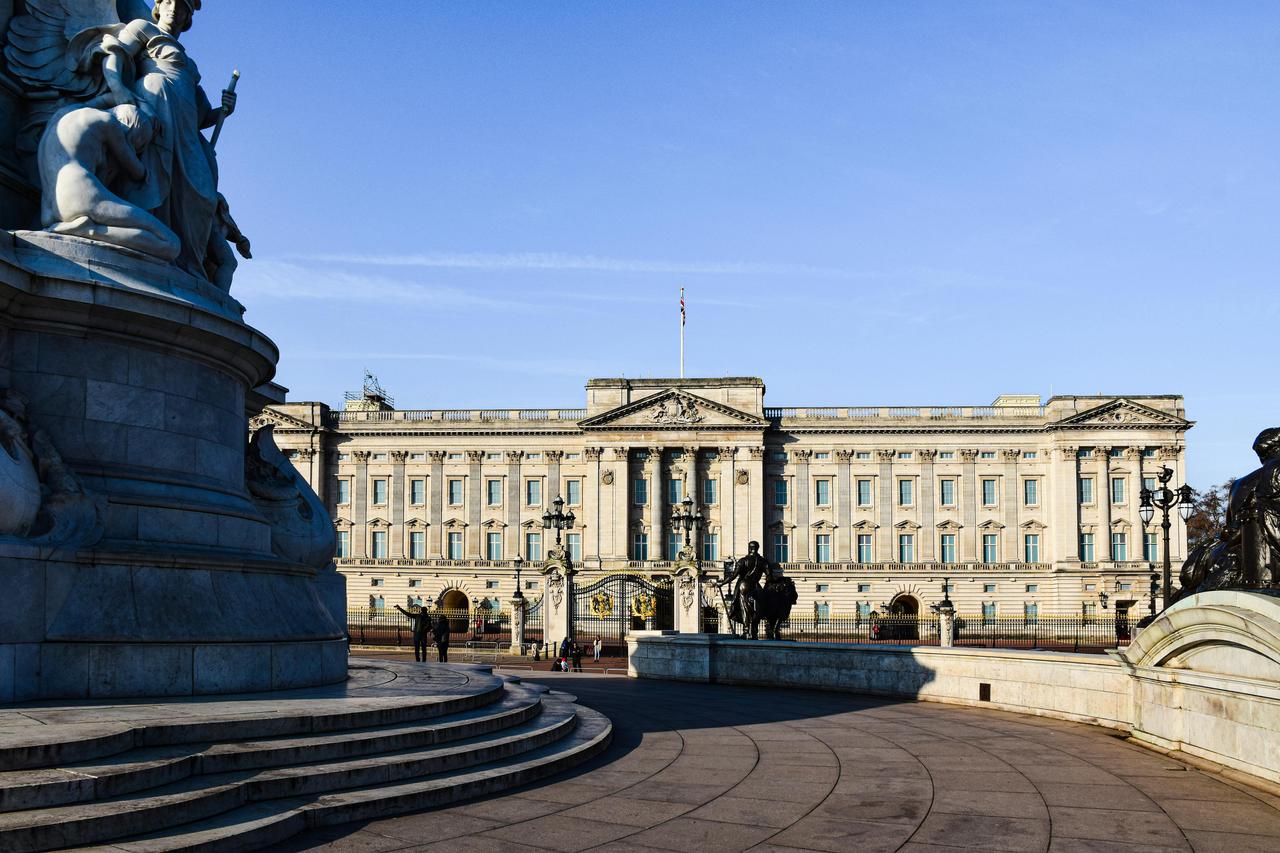
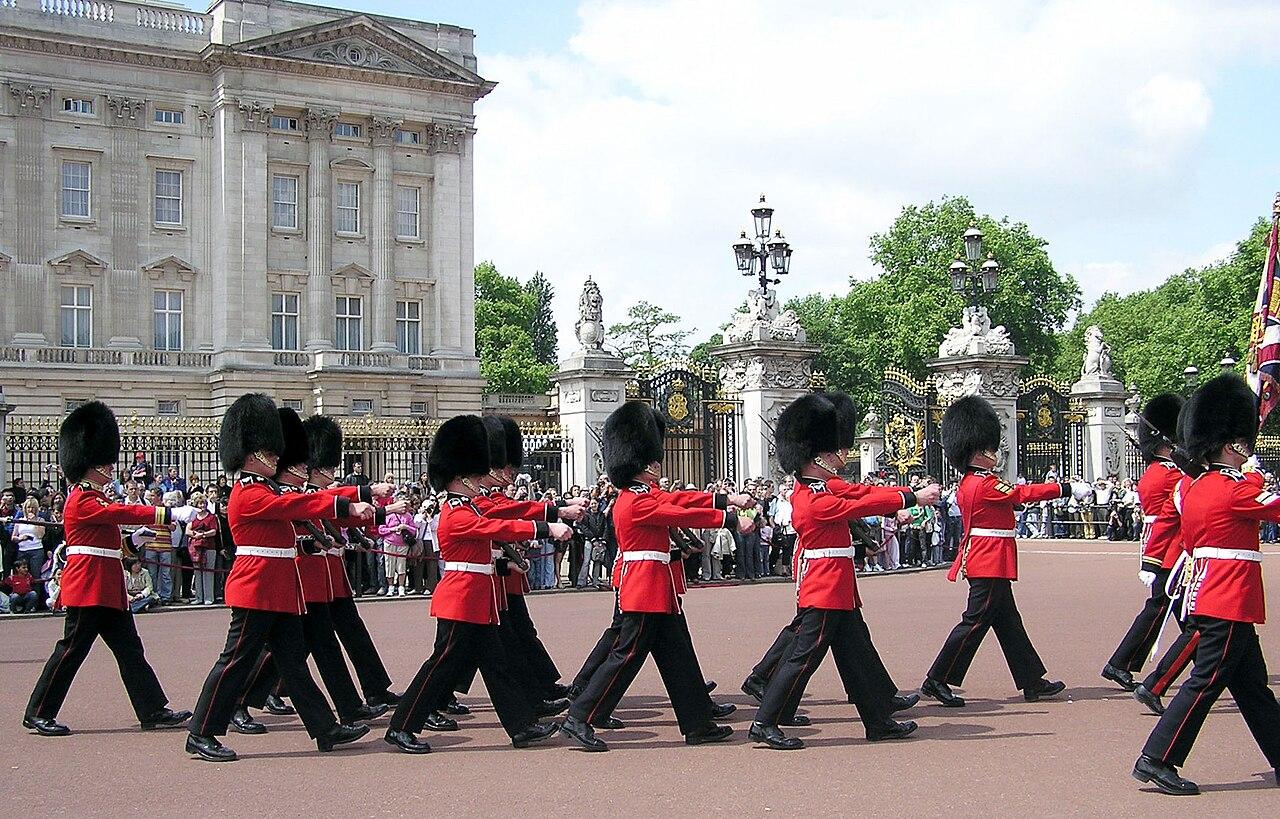
Buckingham Palace
Buckingham Palace did not begin as a royal residence. In 1703, it was simply a grand townhouse built for John Sheffield, a wealthy English nobleman. King George III bought it in 1762 as a private retreat, and for decades it remained just that. Then came Queen Victoria.
When Victoria took the throne in 1837, she made a bold move: she declared Buckingham Palace the official home of the British monarch. Her motivation was partly personal. She wanted to put distance between herself, her domineering mother, and the advisors who had controlled her childhood. By moving here, she was drawing a line. The palace you see today carries that decision at its core.
Inside, the State Rooms hold one of the finest royal art collections in the world, with paintings by Rembrandt and Vermeer alongside sculptures and rare Sèvres porcelain. The Throne Room, gilded and grand, serves as the setting for official ceremonies and countless state portraits.
Since 1993, the palace opens its doors to the public each summer, letting visitors walk through rooms that have hosted world leaders, heads of state, and centuries of royal pageantry.
And the flag flying above the central pavilion? That tells you exactly whether the King is home. A very useful detail if you happen to be dropping by unannounced.
Any feedback for this story?