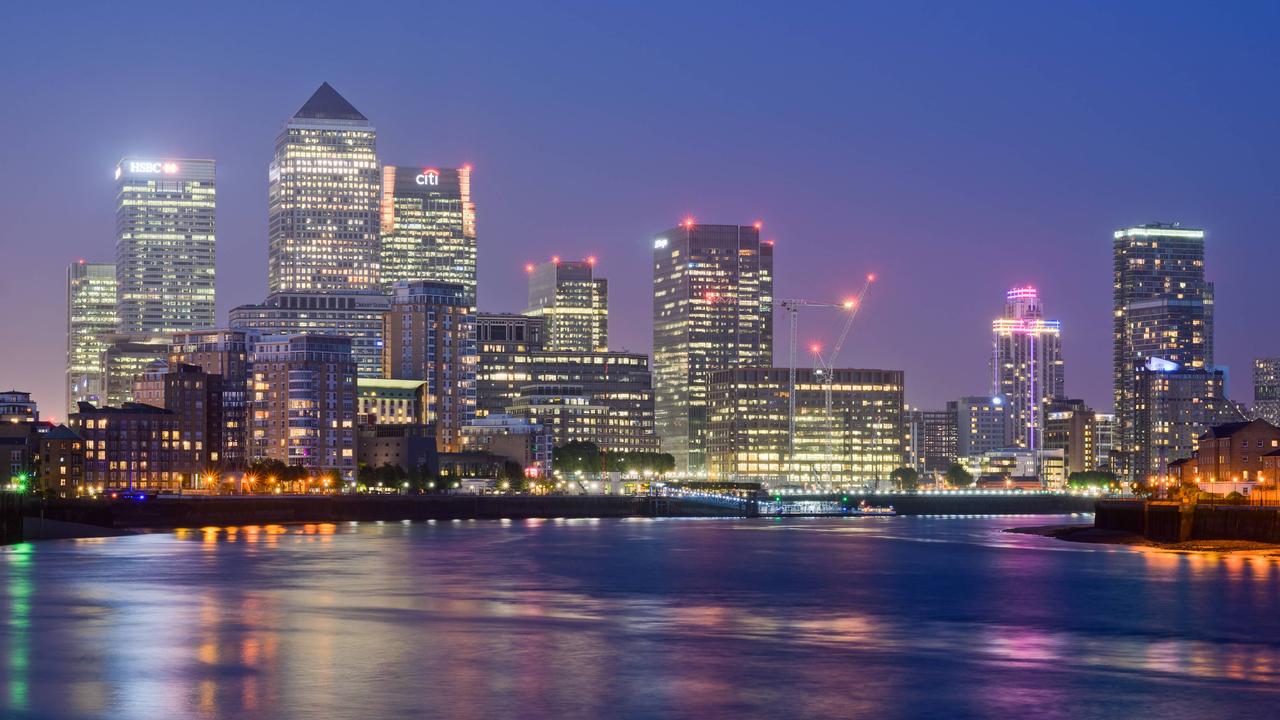
Canary Wharf
Once a bustling hub of maritime trade, the area now known as Canary Wharf in London has undergone a dramatic transformation. Located on the Isle of Dogs in the Thames, it was one of the world's busiest ports in the 19th century, with ships departing for the Canary Islands and the Caribbean. However, World War II bombings and changes in shipping technology led to its decline. The docks suffered significant damage during the war, and much of the area was left in ruins. As shipping moved towards larger vessels and containerized freight in the 1950s, the Docklands became obsolete.
The shipping industry relocated to ports like Felixstowe and Harwich, leaving the area neglected and economically stagnant by the late 1970s. The 1980s marked the beginning of a new era for Canary Wharf as the British government embarked on an ambitious redevelopment project. This effort transformed the derelict docks into a thriving financial district, featuring some of the tallest skyscrapers in the United Kingdom. Notable buildings include One Canada Square, the HSBC Tower, and the Citigroup Centre. Integral to this regeneration was the improvement of transport links.
The Docklands Light Railway opened in the late 1980s, followed by the Jubilee Line extension in 1999, which improved accessibility. The recent addition of the Elizabeth Line in 2022 has further enhanced connectivity, making Canary Wharf easily accessible from all parts of London. Today, Canary Wharf is a vibrant center for business and finance, home to multinational corporations and financial institutions. Its striking skyline and dynamic environment are symbols of successful urban renewal, blending modern architecture with cultural attractions and green spaces. The area continues to evolve, attracting businesses and visitors alike while retaining its historical connection to the city's maritime past.
Any feedback for this story?