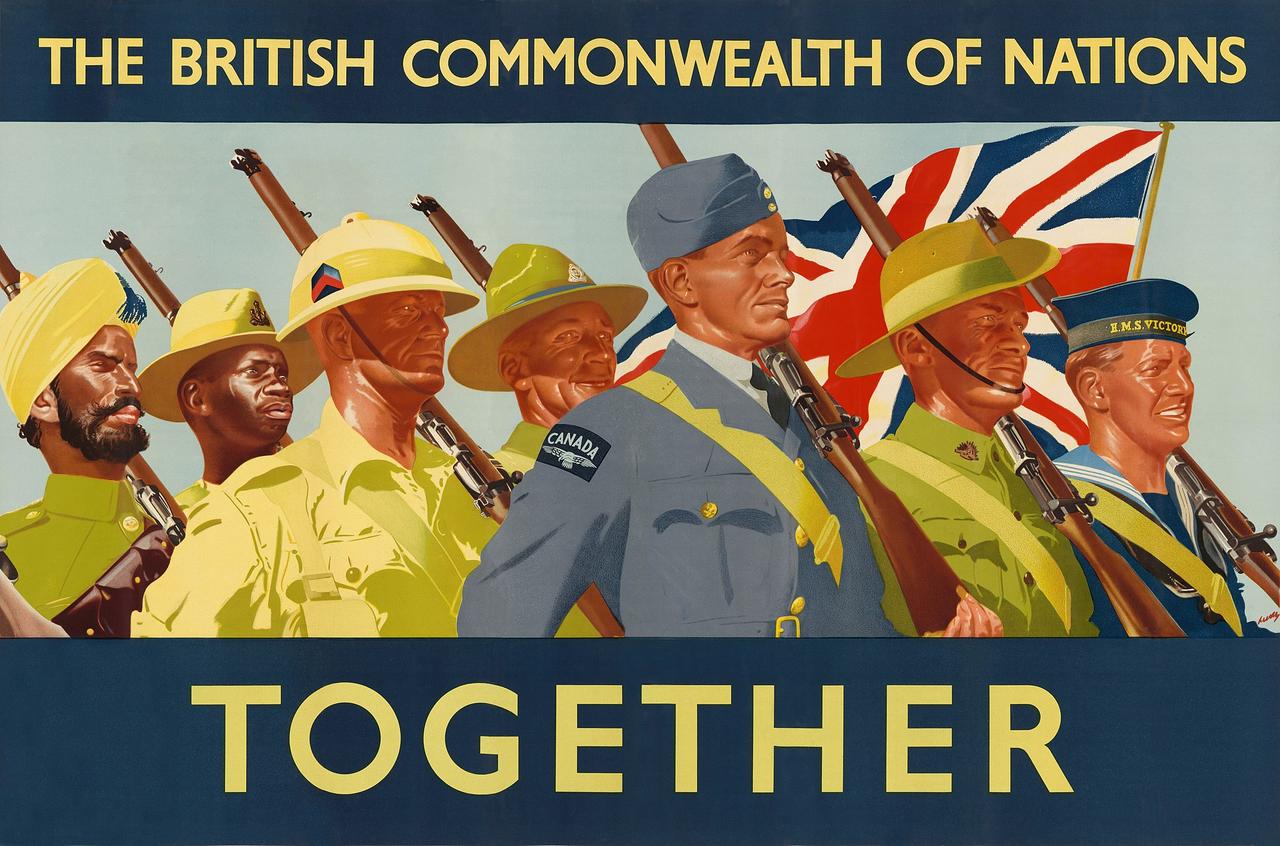
Commonwealth
Headquartered at London’s Marlborough House, the Commonwealth has become one of the world’s most unique international alliances, connecting 54 independent nations that share historical ties to the former British Empire. Officially formed in 1949 with the signing of the London Declaration, the Commonwealth marked a shift from colonial authority to a voluntary association built on mutual respect and equality. This change allowed newly independent nations to retain a meaningful, cooperative bond with Britain while asserting their full sovereignty. The Commonwealth spans a diverse range of countries, from populous nations like India and Nigeria to small island states such as Tuvalu.
These countries differ vastly in culture, language, and economic strength, yet they are united by shared values, including democracy, peace, and sustainable development. The Commonwealth has no binding authority over its members; rather, it relies on collaboration and shared goals to address global challenges like climate change, human rights, and economic resilience. Central to this mission is the Commonwealth Heads of Government Meeting (CHOGM), held every two years, where leaders gather to discuss solutions to pressing international issues. The Commonwealth Secretariat, based in Marlborough House since 1965, also works year-round to support initiatives that foster youth engagement, gender equality, environmental protection, and educational opportunities among member nations.
Through these programs, the Commonwealth reinforces connections among its diverse members, bridging continents and fostering a shared sense of purpose. Marlborough House, once a royal residence, now stands as a symbol of this transformation—representing the Commonwealth’s commitment to a fairer, more interconnected world that has evolved far beyond the boundaries of the former British Empire.
Any feedback for this story?