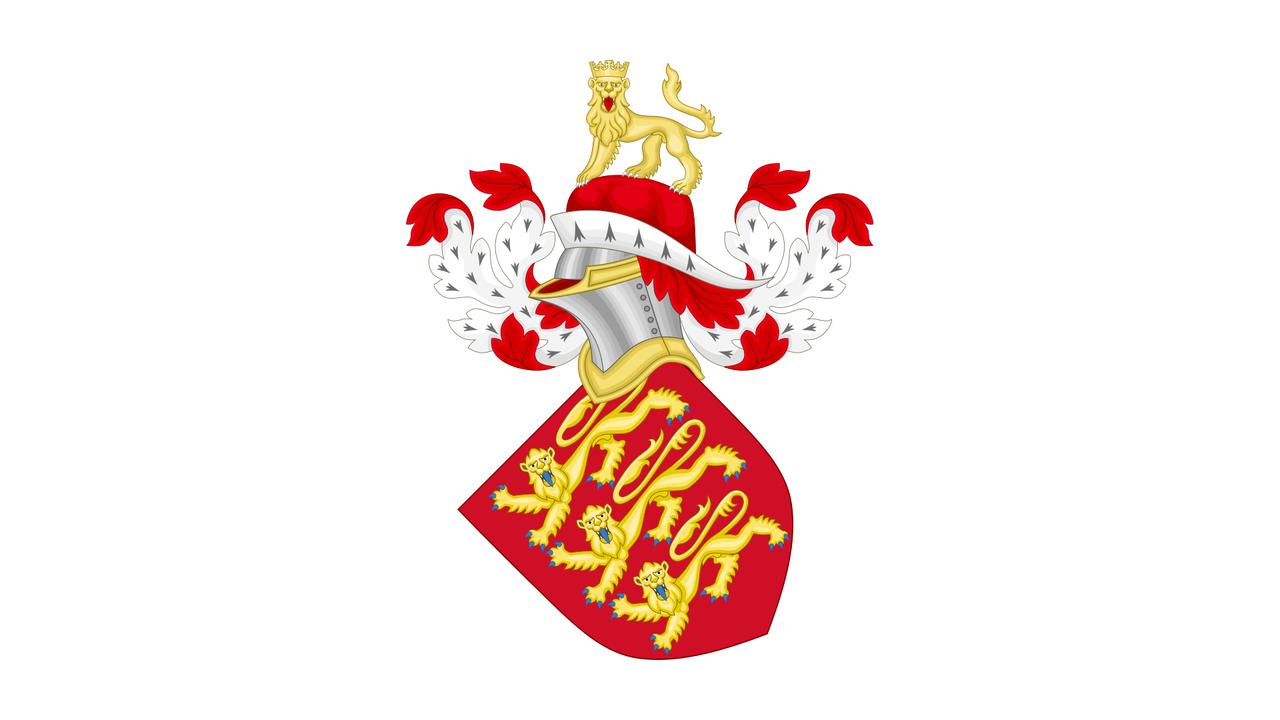
Establishment of the Model Parliament
In 1295, over 400 people gathered at Westminster Palace for a meeting that would reshape England's future. King Edward I summoned what historians now call the Model Parliament, bringing together nobles, clergy, and for the first time, ordinary citizens to discuss the affairs of the nation.
The assembly met in the medieval palace along the River Thames, where the magnificent Westminster Hall still stands as the oldest surviving part of the complex. This revolutionary gathering included 7 earls, 41 barons, archbishops and bishops, but also 2 knights from each of 37 counties, 2 citizens from every city, and 2 burgesses from each of 110 boroughs. Edward's writ declared that what touches all should be approved by all. He needed money for wars in Scotland, France and Wales, but by including representatives from towns and shires across the realm, he created something far more significant.
These commoners could now voice their concerns and demand the king address local grievances before granting him funds. Though the composition varied in following years and the lower clergy eventually withdrew, the precedent was set. The king could no longer rule by decree alone. He needed consent from representatives of his people, not just his barons. This gathering planted the seed of representative government in a riverside palace that remains the seat of British Parliament.
Any feedback for this story?