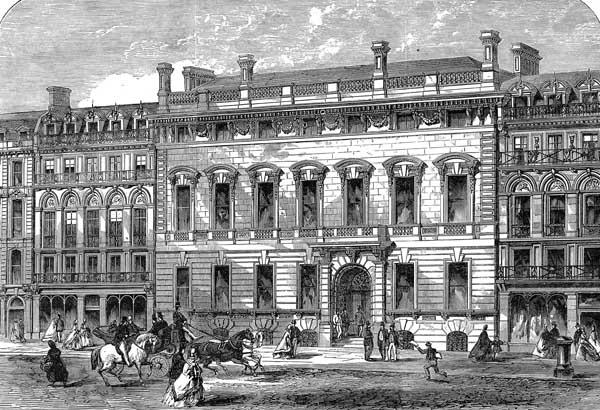
Garrick Club
On 17 August 1831, a group of theatre managers and military officers gathered in a committee room at Theatre Royal, Drury Lane to create something extraordinary: a private club where actors could meet aristocrats as equals. The Garrick Club became a radical social experiment in an era when performers were often dismissed as outcasts.
Just steps from Covent Garden, where theatres have drawn crowds for centuries, the club found its permanent home in 1864 on what is now Garrick Street. Named after David Garrick, the legendary 18th century actor who transformed British theatre, the club attracted writers like Charles Dickens and William Makepeace Thackeray, painters including Joshua Reynolds, and composers such as Edward Elgar.
Its walls display over 1,000 theatrical portraits, the finest collection of its kind in the world. For 193 years, women could only enter as guests. In May 2024, after a membership list revealed King Charles and prominent judges among its 1,500 members, mounting pressure led to a historic vote. Sixty percent of members agreed to admit women, ending nearly two centuries of male-only tradition.
Any feedback for this story?