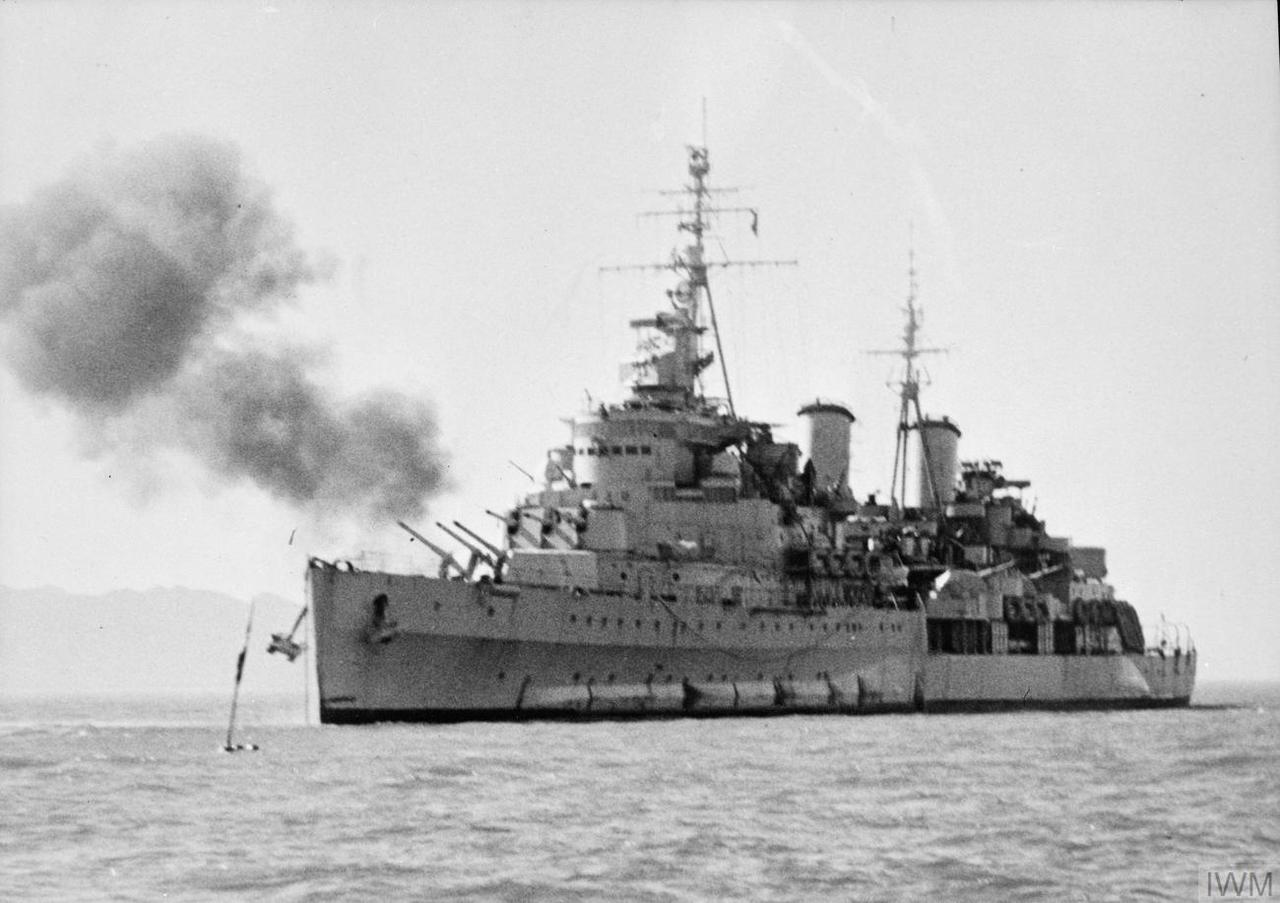
HMS Belfast
HMS Belfast, now a museum ship moored on the River Thames in London, was launched in 1938. As one of ten Town-class light cruisers built for the Royal Navy in the 1930s, HMS Belfast played a significant role in several key naval engagements before being decommissioned in 1963. At the outset of World War II, HMS Belfast participated in the naval blockade against Germany. In 1942, it escorted Arctic convoys to Soviet ports, braving treacherous conditions to deliver essential supplies.
The ship also played a crucial role in the 1944 attack on the German battleship Tirpitz. During the D-Day landings, HMS Belfast provided vital support for British and Canadian forces storming Gold and Juno Beaches in Normandy, bombarding German defenses to aid the Allied advance. Post-war, HMS Belfast saw action in the Far East, participating in the Korean War. The ship’s extensive service record highlights its versatility and resilience across different theaters of war.
Following its decommissioning, efforts were made by the National Maritime Museum to preserve HMS Belfast. In 1971, the ship was transferred to the HMS Belfast Trust, which successfully converted it into a museum ship. However, financial difficulties ensued, and in 1977, HMS Belfast was acquired by the Imperial War Museum. Today, HMS Belfast serves as a floating museum, providing visitors with a unique insight into naval history and life at sea during wartime.
The ship’s exhibits include restored areas such as the engine rooms, the Admiral’s Bridge, and the gun turrets, offering a vivid portrayal of the ship’s operational history. Visitors can explore the roles HMS Belfast played in significant military operations and gain a deeper understanding of the challenges faced by its crew. The preservation of HMS Belfast ensures that this historic vessel continues to educate and inspire future generations.
Any feedback for this story?