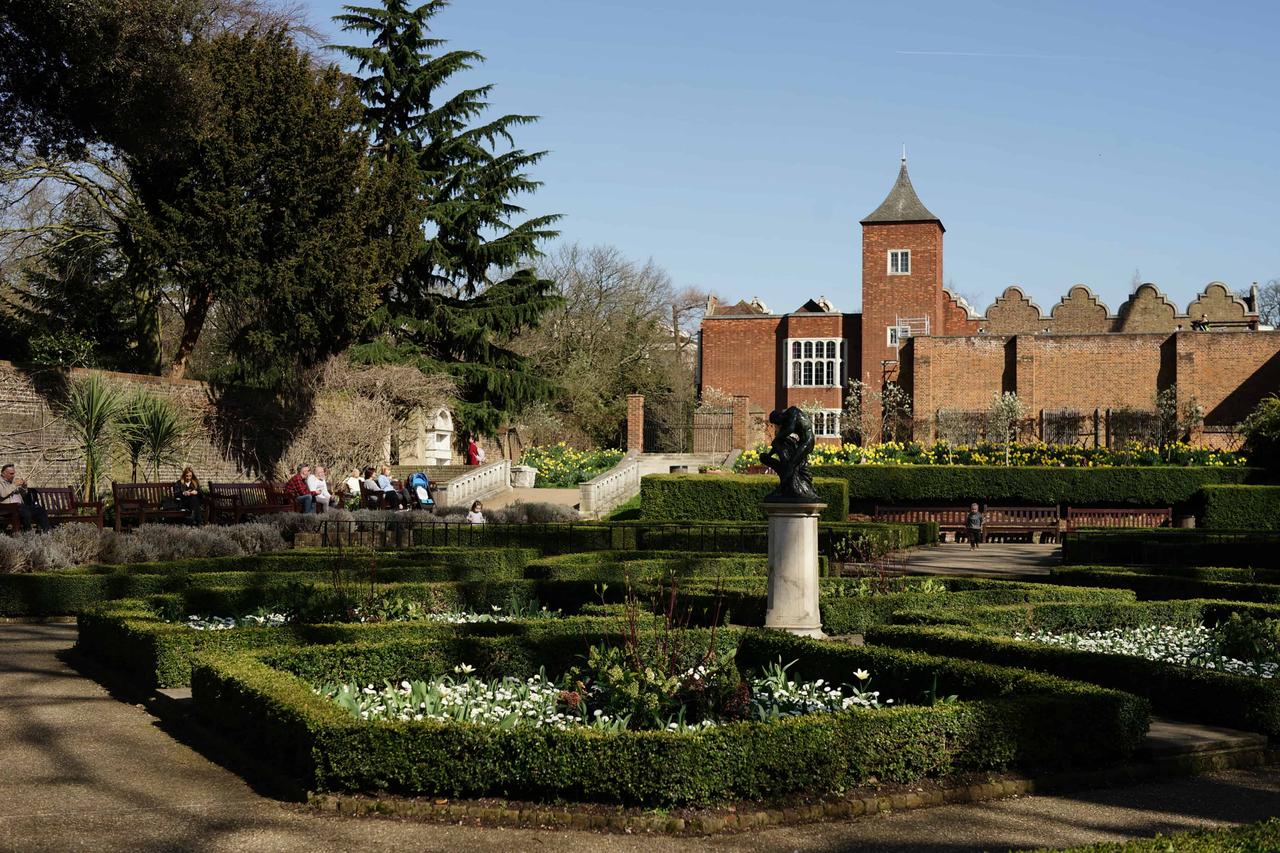
Holland Park
Nestled in the heart of West London, Holland Park offers visitors a peaceful escape with its lush greenery and historic charm. The park’s origins date back to 1605, when diplomat Sir Walter Cope built a grand house on the site. Over time, this estate became known as Holland House, named after Henry Rich, Cope’s son-in-law, who inherited the property and was given the title Earl of Holland in 1624. Rich's story ended tragically when he sided with the royalists during the English Civil War and was executed in 1649.
Although the name Holland House has no direct connection to the Netherlands, it was briefly occupied by King William III, who sought refuge near London due to his asthma, though he eventually chose to live in Kensington House. Holland House itself saw a devastating fate during World War II when it was largely destroyed during the Blitz. Today, only parts of the original structure remain, and these are now used by the Holland Park Theatre, known for its open-air performances. The surrounding gardens, however, survived and now form the vibrant Holland Park, covering 22 hectares.
The park features a blend of formal gardens, woodland areas, and recreational facilities. Visitors can explore the orangery, tennis courts, cricket field, and several playgrounds. One of the park’s highlights is the Kyoto Garden, a serene Japanese garden with a tranquil pond and waterfall, offering a peaceful retreat from the city’s hustle. Holland Park’s combination of history, nature, and culture makes it a beloved destination for Londoners and tourists alike, a place where the past meets the present in a beautiful, green setting.
Any feedback for this story?