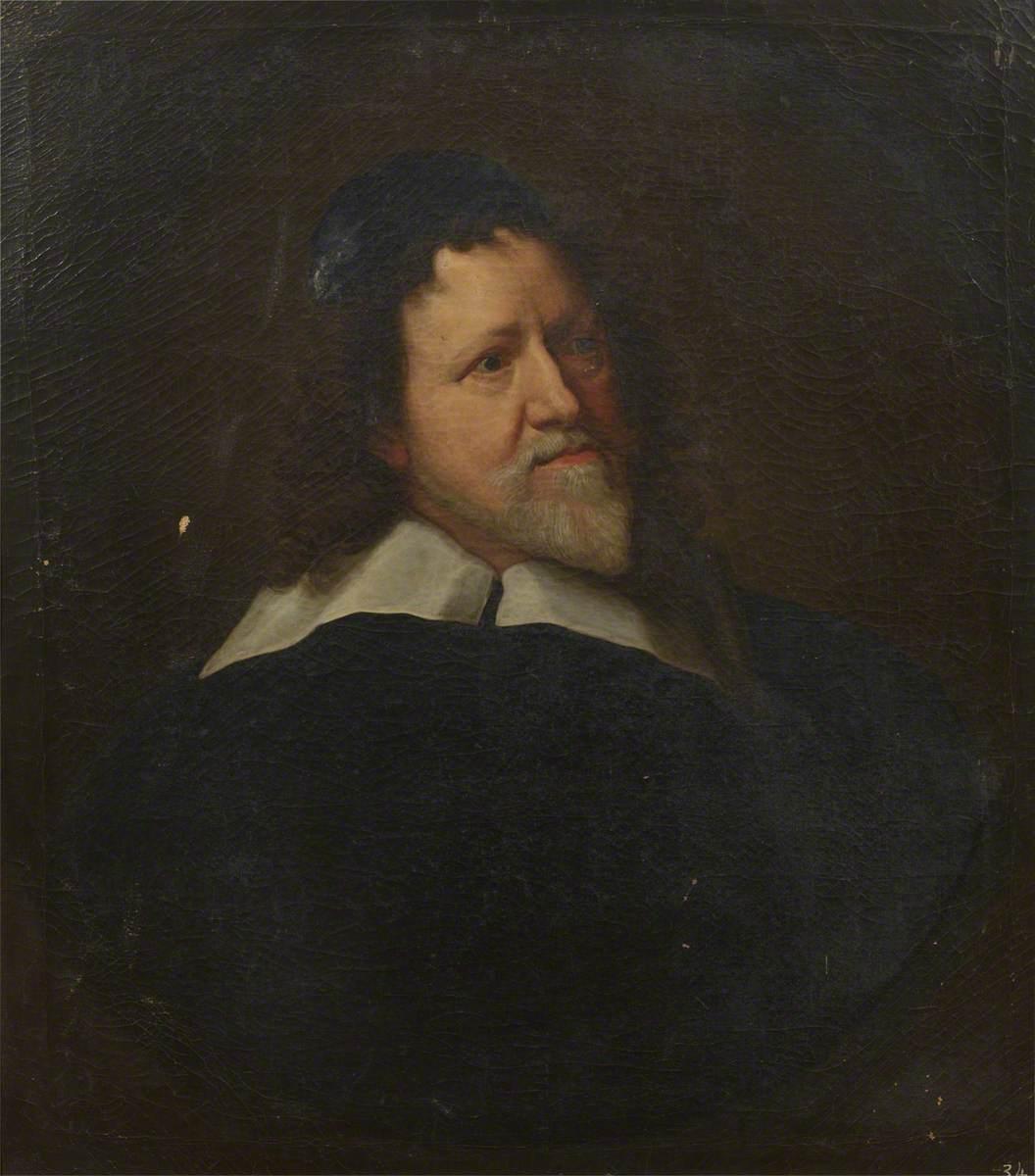
Inigo Jones
Inigo Jones, born on July 15, 1573, in London, is celebrated as one of England's most influential architects, credited with introducing Renaissance architecture to the country. Initially gaining recognition for his elaborate court masques, Jones's architectural vision was profoundly shaped by his travels to Italy, where he studied the works of Andrea Palladio. Inspired by Palladio's classical designs, Jones embraced principles of symmetry, proportion, and classical elements.
Upon his return to England, Jones was appointed Surveyor of the King's Works in 1615 by King James I. In this role, he applied his knowledge to significant projects, starting with the Queen's House in Greenwich, completed in 1635. This structure marked a departure from the prevailing Gothic style, showcasing a pure classical design. Jones's most renowned work is the Banqueting House at Whitehall, completed in 1622. Part of the larger Palace of Whitehall, the Banqueting House exemplifies Palladian architecture with its balanced proportions and elegant simplicity.
The building is also famous for its ceiling painted by Peter Paul Rubens, depicting the Apotheosis of James I. Another significant contribution was the design of the Covent Garden Piazza, London’s first planned public square, which introduced a new urban space concept to the city. Jones also designed St. Paul’s Church in Covent Garden, known as the "Actors' Church" due to its association with the nearby Theatre Royal, Drury Lane.
Despite facing challenges during the English Civil War, as his royal connections and architectural style fell out of favor, Jones's legacy endures through his transformative contributions to English architecture. His introduction of classical principles paved the way for future developments, influencing architects like Christopher Wren. Today, Inigo Jones is remembered for his iconic buildings and foundational impact on modern English architecture.
Any feedback for this story?