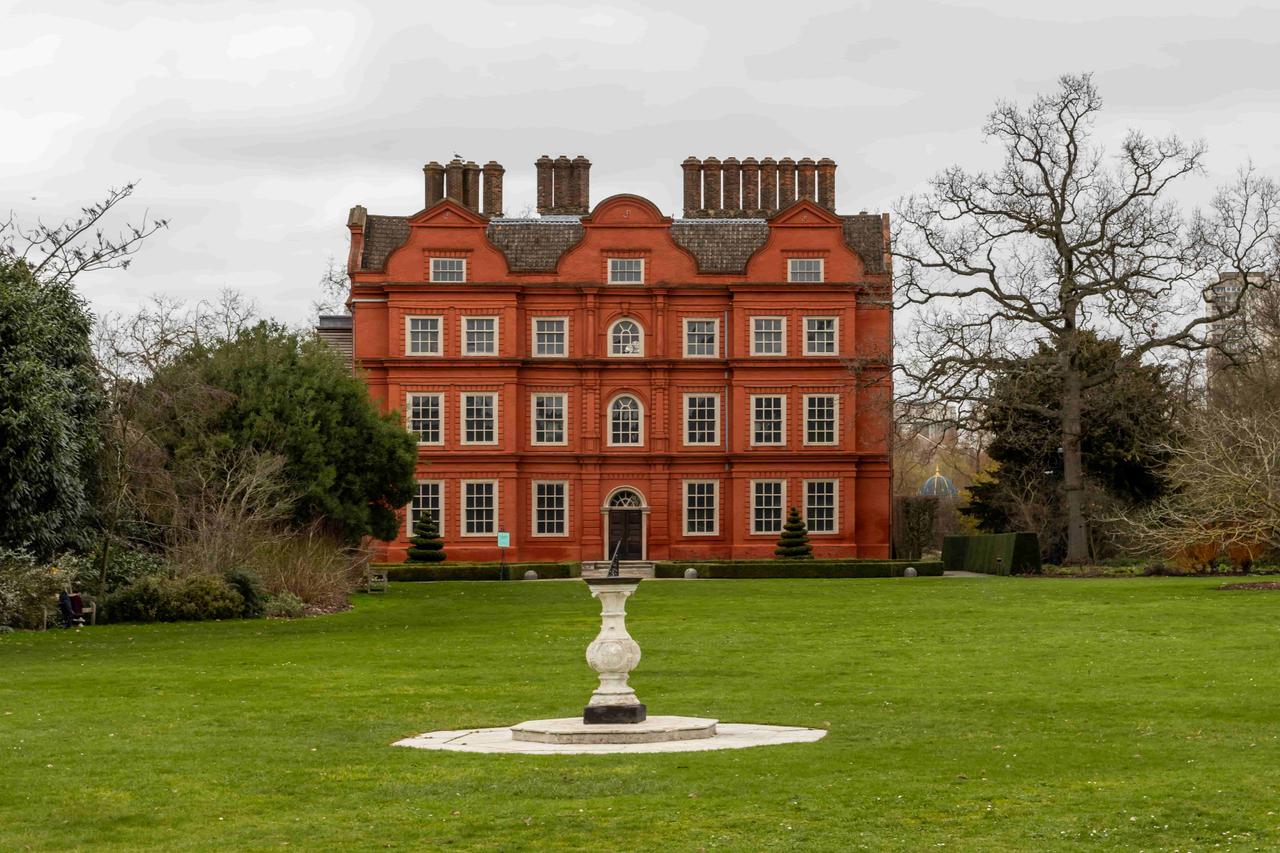
Kew Palace
Tucked away within the famous Royal Botanic Gardens, Kew Palace stands as a charming yet significant part of British history. Known as the Dutch House for its distinctive red-brick, Dutch-style architecture, the palace was built in 1631 by Samuel Fortrey, a wealthy silk merchant with a passion for the design of the Low Countries. Its gabled façades and Flemish bond brickwork gave the building its unique look, which continues to intrigue visitors today.
Originally a private residence, Kew Palace became part of royal life in 1781 when it was purchased by King George III. Unlike the grandeur of Buckingham or Windsor Palace, Kew offered a more intimate retreat for the royal family, who used it as a summer home. It was here that Queen Charlotte, George III’s wife, spent her final days, adding a layer of personal history to the palace. Her death in 1818 marked the last time the royal family used Kew as a residence. However, Kew Palace’s connection to royalty goes beyond the British crown.
The exiled Dutch Stadtholder, William V, lived here temporarily in 1795 after fleeing the Netherlands during the French occupation. His stay at the palace strengthened its Dutch associations, contributing to its nickname, the Dutch House. Before becoming a royal home, the estate’s history reaches back to the 16th century, when Robert Dudley, a trusted advisor to Queen Elizabeth I, established a house on the property. That original structure was replaced in 1631 by Fortrey, whose love for Dutch architecture shaped the current palace’s design.
By the late 19th century, Kew Palace was no longer a royal residence, but its surrounding gardens were transformed. In 1841, Queen Victoria gifted the gardens to the public, laying the foundation for what would become the world-famous Royal Botanic Gardens. The palace itself opened to visitors in 1898, allowing the public to explore its rich history. Today, Kew Palace remains a captivating reminder of the personal lives of British and Dutch royalty, nestled within the lush landscape of Kew Gardens. Its modest size and rich history stand in contrast to other royal residences, offering a more intimate view of royal life through the centuries.
Any feedback for this story?