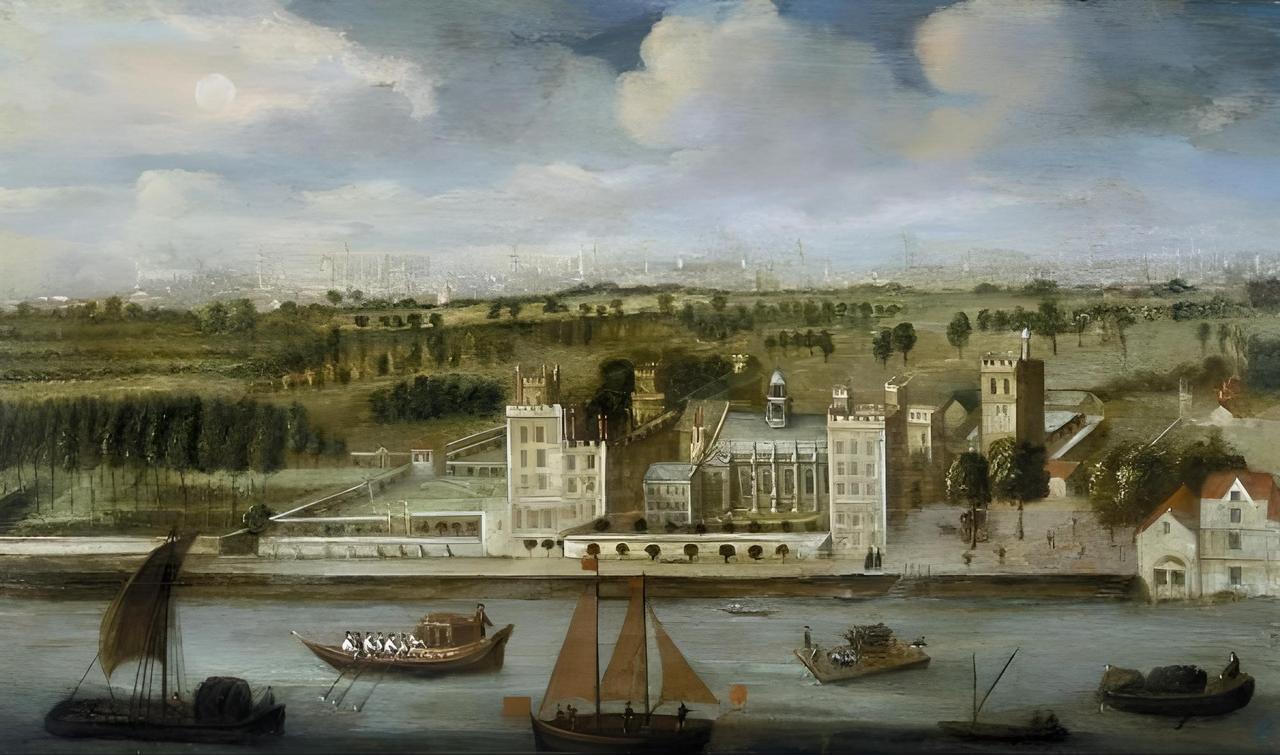
Lambeth Palace
On the southern bank of the Thames, near the Palace of Westminster, stands a structure that has been at the heart of British religious life for over eight centuries. This is the London residence of the Archbishop of Canterbury, a building rich with history and significance. Since the early 1200s, it has served as a hub of the Church of England and a witness to pivotal moments in the nation's story. One of the most striking features of the complex is the Lollards Tower, a 15th-century structure named for the Lollards, a dissident religious group imprisoned there in its early days.
The tower, with its Tudor-style architecture, was renovated in 1495 under Cardinal John Morton, reflecting the grandeur of the time. Despite its historical beauty, the palace has faced destruction, notably during the English Civil War when Cromwell’s troops stormed it, leaving the great hall in ruins. It wasn’t until after the Restoration that Archbishop William Juxon restored this central part of the palace. While the palace is steeped in ancient history, its modern side is equally impressive. In 1610, Archbishop Richard Bancroft founded what would become the Lambeth Palace Library. Now housed in a sleek, modern building, the library holds the largest collection of documents related to the Anglican Church, with manuscripts dating back to the 9th century.
Its collection of over 120,000 volumes makes it a treasure trove of knowledge on church history, architecture, and art. This blend of old and new, with its timeless towers and contemporary library, ensures that the palace remains a vital part of England’s cultural and religious landscape.
Any feedback for this story?