London Zoo
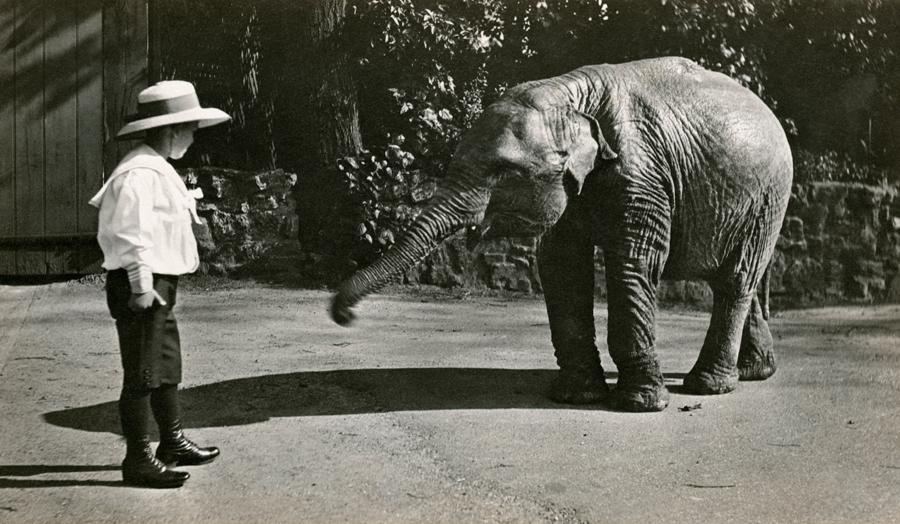
Opened in 1828 as a scientific center, what is now one of the world’s oldest zoos initially served as a research facility, not a public attraction. In fact, it wasn’t until 1847 that the general public was allowed inside, making it one of the first places in the world to let visitors observe exotic animals up close. Located on the northern edge of Regent’s Park and now managed by the Zoological Society of London, the zoo is home to approximately 700 species, each housed in habitats carefully designed for their welfare and to inspire public awareness of conservation.
Throughout its history, the zoo has been a pioneer in exhibit design. The Snowdon Aviary, built in 1964, was a groundbreaking example of zoo architecture, created by Cedric Price and Frank Newby. Its innovative spiked structure and free-flight space for birds broke new ground in animal enclosure design, allowing visitors to observe birds in a more natural setting. In the decades that followed, new enclosures continued to enhance the zoo’s commitment to animal welfare. The Reptile House, opened in 1927 and designed by Joan Beauchamp Procter and Edward Guy Dawber, became a unique and popular structure, housing a wide variety of reptiles, from pythons to tortoises.
Later, in 2007, Prince Philip opened Gorilla Kingdom, an expansive exhibit providing a naturalistic space for gorillas, reflecting a shift toward more immersive and enriching animal habitats. The addition of Tiger Territory in 2013 further illustrated this shift. Designed by Michael Kozdon and inaugurated by Prince Philip, the space replicates the Sumatran jungle, giving tigers room to roam while allowing visitors a close yet respectful view. With Camden Town station nearby, this remarkable zoo remains a historical and cultural fixture, dedicated to inspiring conservation and a love for wildlife through its rich legacy and thoughtfully designed exhibits.
Any feedback for this story?