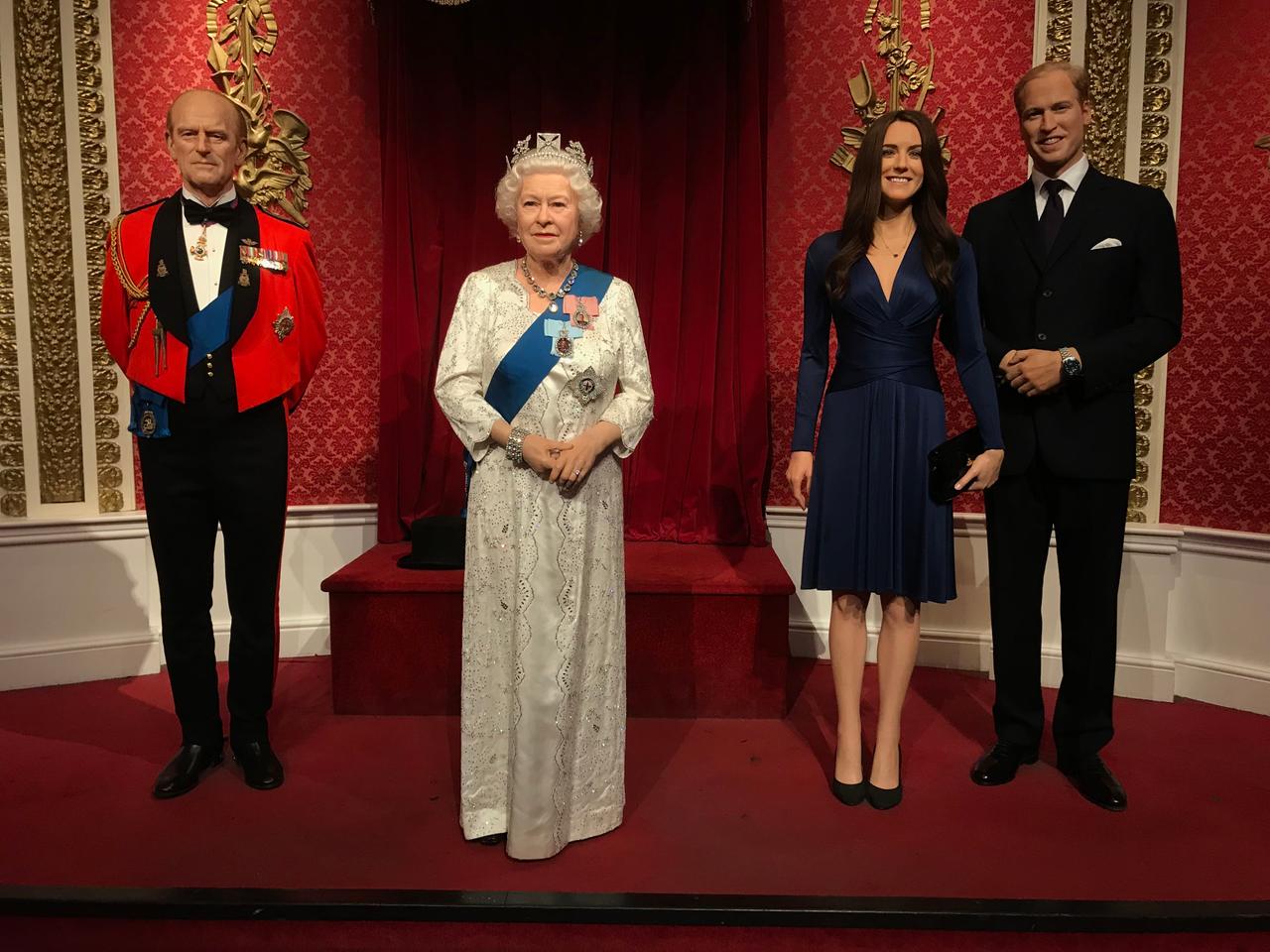
Madame Tussauds
In the early 19th century, few attractions in London could match the intrigue of Marie Tussaud’s wax figures. After relocating to England from France in the aftermath of the French Revolution, Tussaud captivated audiences by displaying wax models of prominent figures and victims of the Revolution's reign of terror. Her traveling show toured Britain and Ireland, drawing fascinated crowds, until she settled in London and opened a permanent museum on Baker Street in 1835. One of her most talked-about exhibits, the “Chamber of Horrors,” featured realistic figures of criminals, notorious murderers, and victims from French history.
As her collection grew, Tussaud began to include more historical icons and British notables, from naval hero Admiral Horatio Nelson to King Henry VIII and Queen Victoria. This mix of both celebrated and infamous individuals made the museum a sensation, offering visitors a lifelike experience of history. Following her death in 1850, the Tussaud family continued her work, and her grandson Joseph Rendall expanded the legacy by opening a grand new location on Marylebone Road in 1883.
Just a few years later, in 1889, a group of businessmen led by Edwin Josiah Poyser purchased Madame Tussauds, ensuring its expansion and continued popularity. Since 1971, Madame Tussauds has expanded globally, with locations in cities worldwide, offering millions the chance to encounter realistic figures of historical personalities, pop culture icons, and fictional characters. Now owned by Merlin Entertainments Group, Madame Tussauds stands as a testament to Marie Tussaud’s artistic vision and innovation in the world of wax figures.
Any feedback for this story?