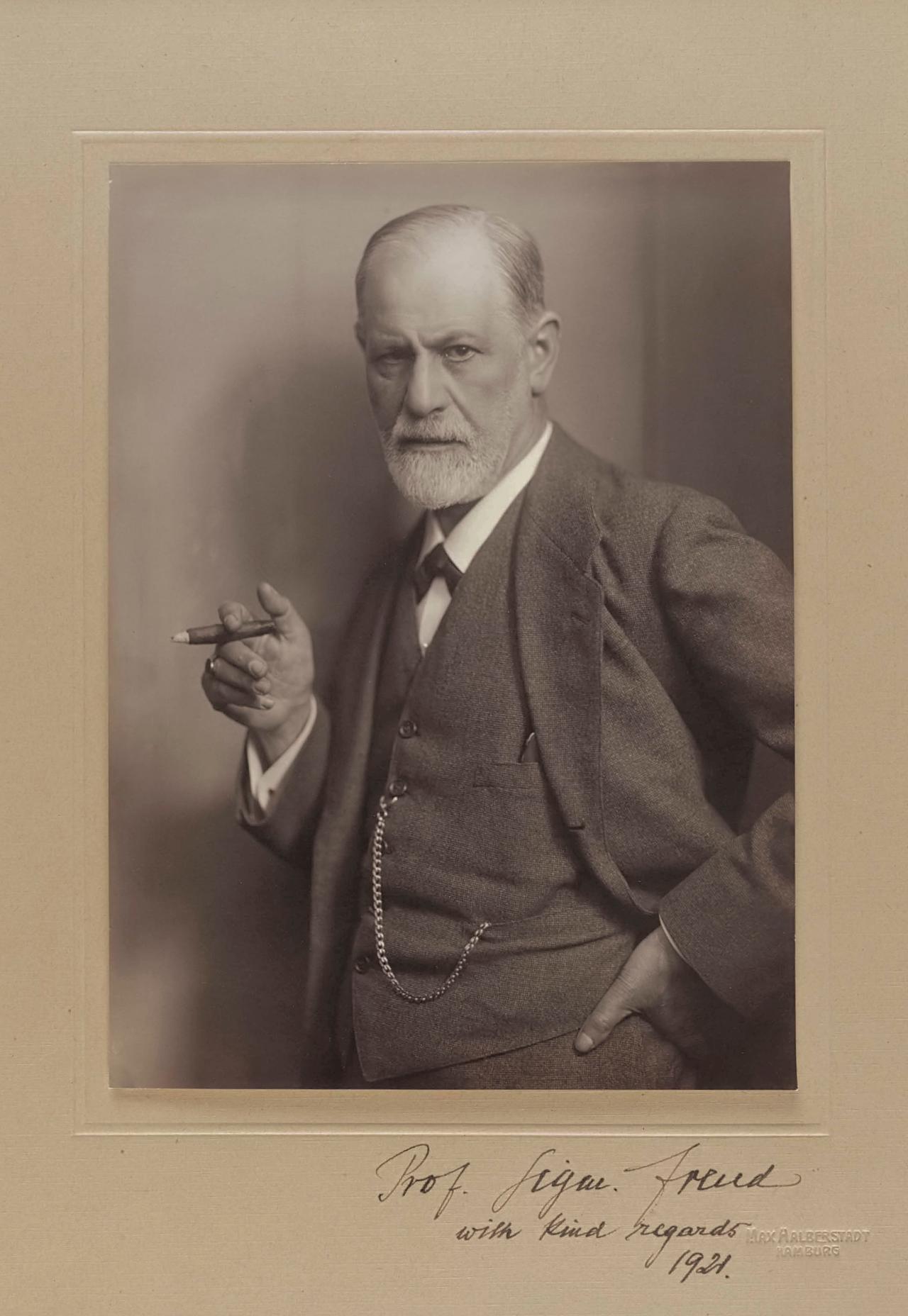
Sigmund Freud
In the late 19th and early 20th centuries, the world of psychology underwent a transformation with the emergence of psychoanalysis, a groundbreaking theory and therapeutic practice that delves into the depths of the human mind. This new approach sought to understand and treat mental health issues by exploring the unconscious mind, a concept that was revolutionary for its time. Central to this movement was the idea that many psychological problems stem from repressed emotions and unresolved conflicts originating in childhood. By bringing these hidden elements to the surface, psychoanalysis aims to help individuals achieve greater self-awareness and emotional healing.
Techniques such as dream analysis, free association, and transference became vital tools for uncovering the unconscious motivations that influence behavior and thought patterns. At the heart of psychoanalysis lies the structural model of the mind, which divides it into three distinct components: the id, ego, and superego. The id is the primal source of desires and instincts, the ego acts as a mediator between the id and the realities of the external world, and the superego represents the internalized moral standards and ideals. Together, these components interact to shape an individual's personality and internal conflicts.
One of the more provocative theories to arise from psychoanalysis is the Oedipus complex, which posits that young children experience a subconscious attraction to the opposite-sex parent and hostility toward the same-sex parent. This concept highlights the profound impact of early childhood experiences on adult personality and behavior. Dreams are a central focus in psychoanalytic theory, often seen as a window into the unconscious mind. According to this view, dreams are expressions of repressed desires and unresolved conflicts, manifested through symbolic imagery. This perspective was laid out in a seminal work that remains influential in the study of dreams and the unconscious.
Although psychoanalysis has faced criticism for its lack of empirical evidence and scientific rigor, its influence on psychology is undeniable. It has inspired subsequent generations of psychologists to explore the complexities of the mind and has also had a profound impact on art, literature, and popular culture. Today, psychoanalysis continues to be a vital part of psychological practice and theory, encouraging ongoing exploration into the intricate workings of human thought, behavior, and identity. Its enduring legacy ensures that the quest to understand the human psyche remains as dynamic and compelling as ever.
Any feedback for this story?