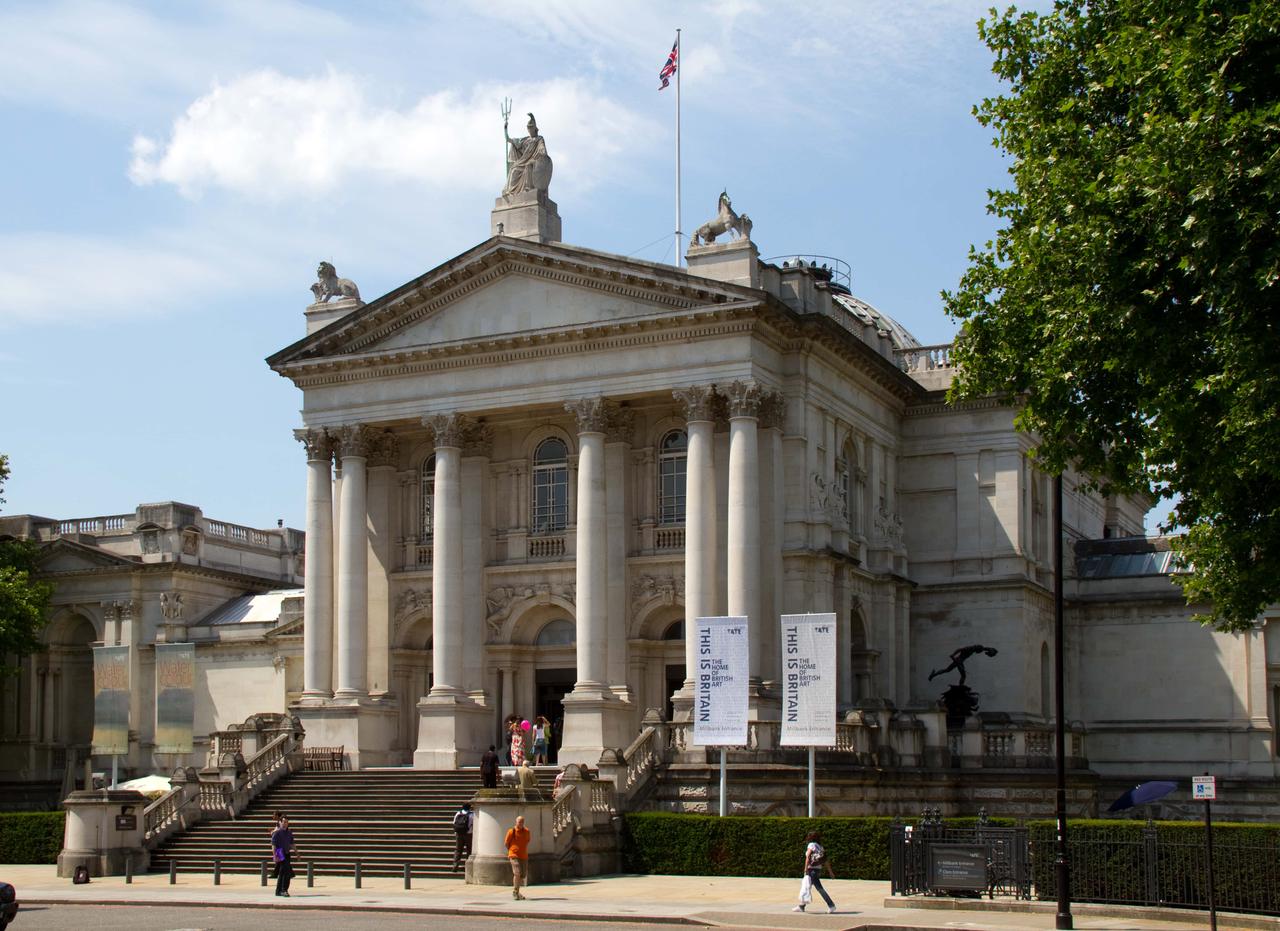
Tate Gallery
Here lies an extraordinary story where sugar cubes built one of the world's greatest art collections on the ruins of a notorious prison. The grand building standing on Millbank, beside the Thames in Westminster, is the Tate Gallery. It opened in 1897, but this wasn't always a place of beauty. For decades, the grim Millbank Prison occupied this marshy riverside site, where convicts awaited deportation to Australia before the building was demolished in 1890. Henry Tate transformed this dark history.
Born in 1819 as a minister's son, he started as a humble grocer before entering the sugar refining business. In 1872, Tate purchased the patent for making sugar cubes, a revolutionary invention that changed British kitchens forever. Before this, housewives struggled to break apart tall sugar loaves with hammers. This simple innovation made Tate a millionaire. Passionate about art, Tate offered the government his collection of 65 paintings and £80,000 to build a national gallery in 1889.
After years of delays, officials offered him this former prison site. Tate accepted without hesitation. On July 21, 1897, the Prince of Wales opened the National Gallery of British Art, designed by architect Sidney Smith in neoclassical style. Though officially renamed Tate Gallery only in 1932, everyone immediately called it by the sugar magnate's name.
Any feedback for this story?