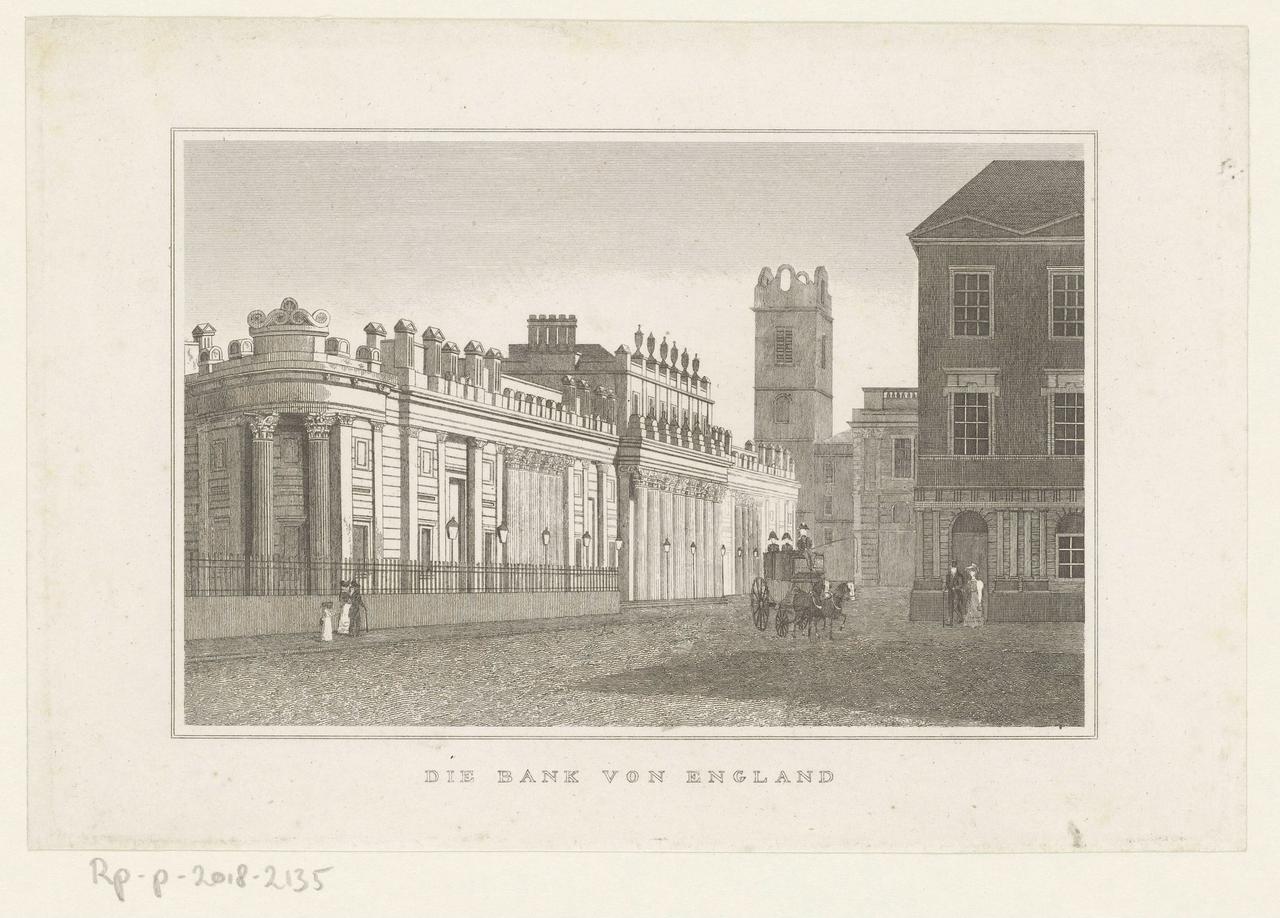
The Bank of England
The Bank of England has stood on Threadneedle Street since 1734, and its story begins not with caution or careful planning, but with desperation. In 1694, King William III and Queen Mary were running out of money to finance a costly war against France, and the English treasury was close to collapse.
The solution came from an unlikely source: William Paterson, a Scottish trader, financier, and former pirate, who proposed a national bank that would lend the government £1,200,000 at 8% interest. Gold traders scoffed, convinced the public would never stump up that much. They were wrong. Within a single day, £346,000 was raised, and within ten days, the full amount was subscribed.
The final hurdle was the Privy Council, the king's private advisory body, whose members were deeply skeptical. Queen Mary stepped in personally and negotiated until the council agreed. The Bank Act of 1694 was passed, and the Bank of England opened its doors with seventeen employees and two porters.
It earned its famous nickname, "The Old Lady of Threadneedle Street," in 1797, after a cartoon depicted Prime Minister Pitt trying to court the bank, personified as a rather unimpressed elderly woman. Given how stubbornly the bank has outlasted every crisis since, the nickname fits rather well.
Any feedback for this story?