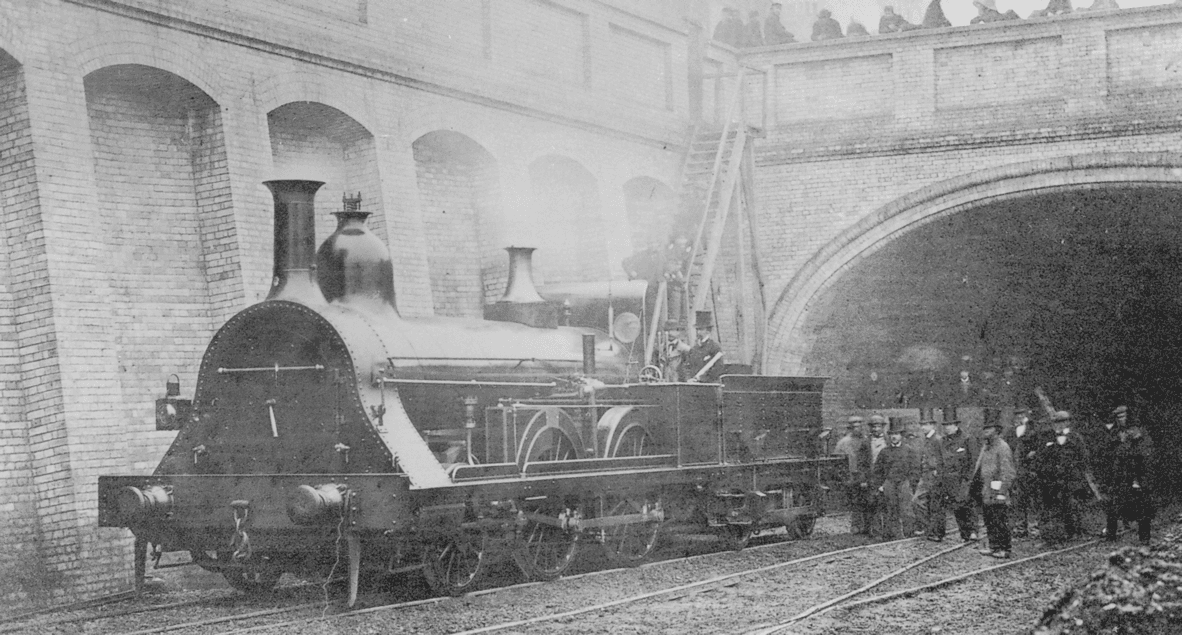
The London Underground
On January 10, 1863, the world's first underground railway opened between Paddington and Farringdon stations, launching a transportation revolution that would spread across the globe. The Metropolitan Railway carried passengers through 3.75 miles of tunnels beneath the congested streets, solving a crisis that had paralyzed the city for years. Horse drawn traffic had created such chaos that businesses suffered and daily travel became unbearable.
A City solicitor named Charles Pearson spent years championing the radical idea of trains running underground. Most people thought it was insane. Even the Prime Minister refused his invitation to the opening ceremony, joking that at 79 years old, he preferred staying above ground. Construction crews used the cut and cover method, ripping up streets and causing massive disruption from 1860 to 1863. Skeptics mocked it as the Drain and predicted disaster.
But on opening day, over 38,000 curious passengers crammed into stations to experience gas lit wooden carriages pulled by steam locomotives. The demand overwhelmed the system immediately. First class passengers pushed into third class carriages as smoke filled the tunnels. Pharmacists began selling Metropolitan Mixture to help travelers cope with the fumes. Despite the chaos, the railway transported 9.5 million passengers in its first year, proving underground transit could work.
Any feedback for this story?