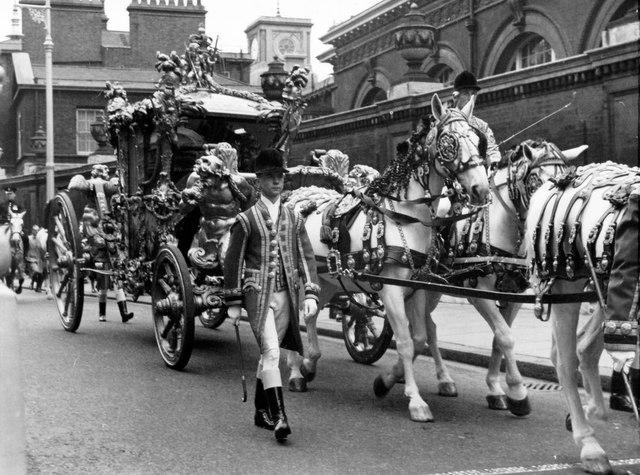
The Royal Mews
The Royal Mews feels like stepping into a world that time politely agreed to leave alone. Built in 1825 by architect John Nash, who also redesigned much of Buckingham Palace itself, this elegant stable yard has been a working hub of royal life ever since.
The centrepiece is the Gold State Coach, crafted in 1762 for King George III. Weighing four tons and covered in shimmering gold leaf, it has carried every British monarch to their coronation since 1821, most recently King Charles III on his journey to Westminster Abbey in 2023.
The word Mews has a surprisingly medieval origin. Royal hawks were kept near Charing Cross from 1377, housed in buildings called mews during their moulting season. The name comes from the French verb muer, meaning to moult. When fire destroyed those original premises in 1534, King Henry VIII converted them for horses, but the old hawking name simply stayed.
At its peak, nearly 200 staff and their families lived within these walls. Queen Victoria established a school here in 1855 for workers' children, and Queen Elizabeth II later described it as a small village belonging to the Palace.
Every morning since 1843, a carriage still departs to collect post between royal residences. Some traditions, it seems, resist every attempt to retire them.
Any feedback for this story?