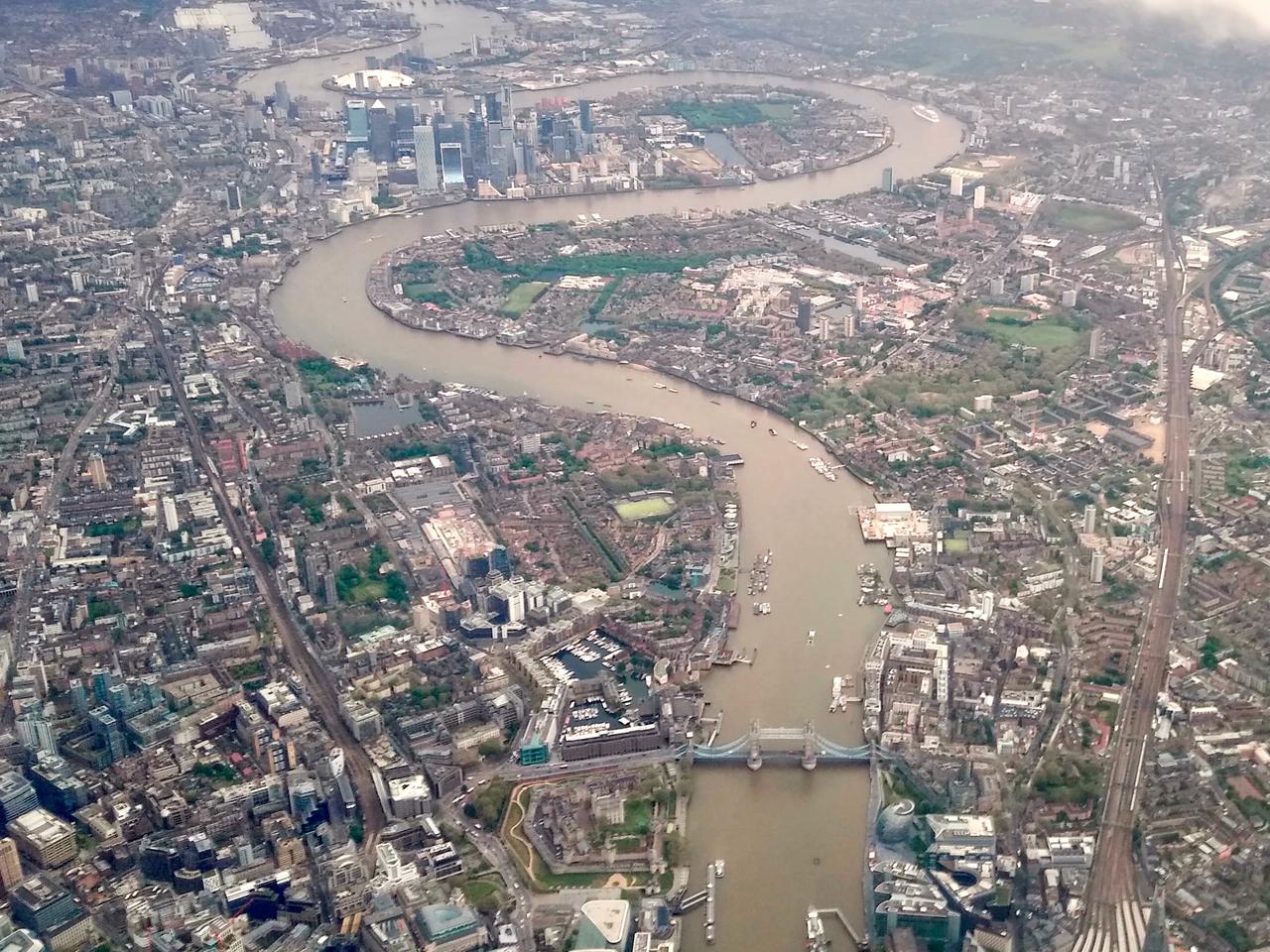
The Thames
The River Thames has long been the lifeblood of London, shaping its history and identity. According to ancient legend, the city was founded by Brutus of Troy, who ruled over Britain around 1000 BCE. The city’s early name, “Caer Lud,” was supposedly derived from King Lud, before the Romans called it Londinium. As the Romans left Britain, the name gradually evolved into London, but the river remained a constant, linking the city’s past to its future. Long before the Romans arrived, the Thames had already been a hub for human activity. Prehistoric farmers settled along its banks, and trade flourished at posts like Egham and Brentford.
These early communities relied on the river for transportation and commerce, laying the groundwork for London’s growth into a major trading center. One of the most remarkable finds from this period is the Battersea Shield, a beautifully crafted bronze artifact thought to date from the first century BCE. Discovered during dredging near Chelsea Bridge, the shield reflects the river’s long-standing importance to the people who lived along its shores. Over the centuries, the Thames became the heart of London’s economy.
In the industrial age, its banks were lined with warehouses, where goods from Europe, the United States, and the British Empire were stored. The bustling docks, such as St Katharine Docks near the Tower of London, symbolized the city’s global reach. Today, the view along the Thames has changed dramatically. Many of the old warehouses have been replaced by modern office buildings and luxury apartments. Iconic landmarks, like the Tower of London, now share the river’s banks with sleek new structures, reflecting the city’s evolution. Yet, despite the changes, the Thames continues to play a vital role in London’s life, serving as both a reminder of its storied past and a symbol of its ongoing transformation.
Any feedback for this story?