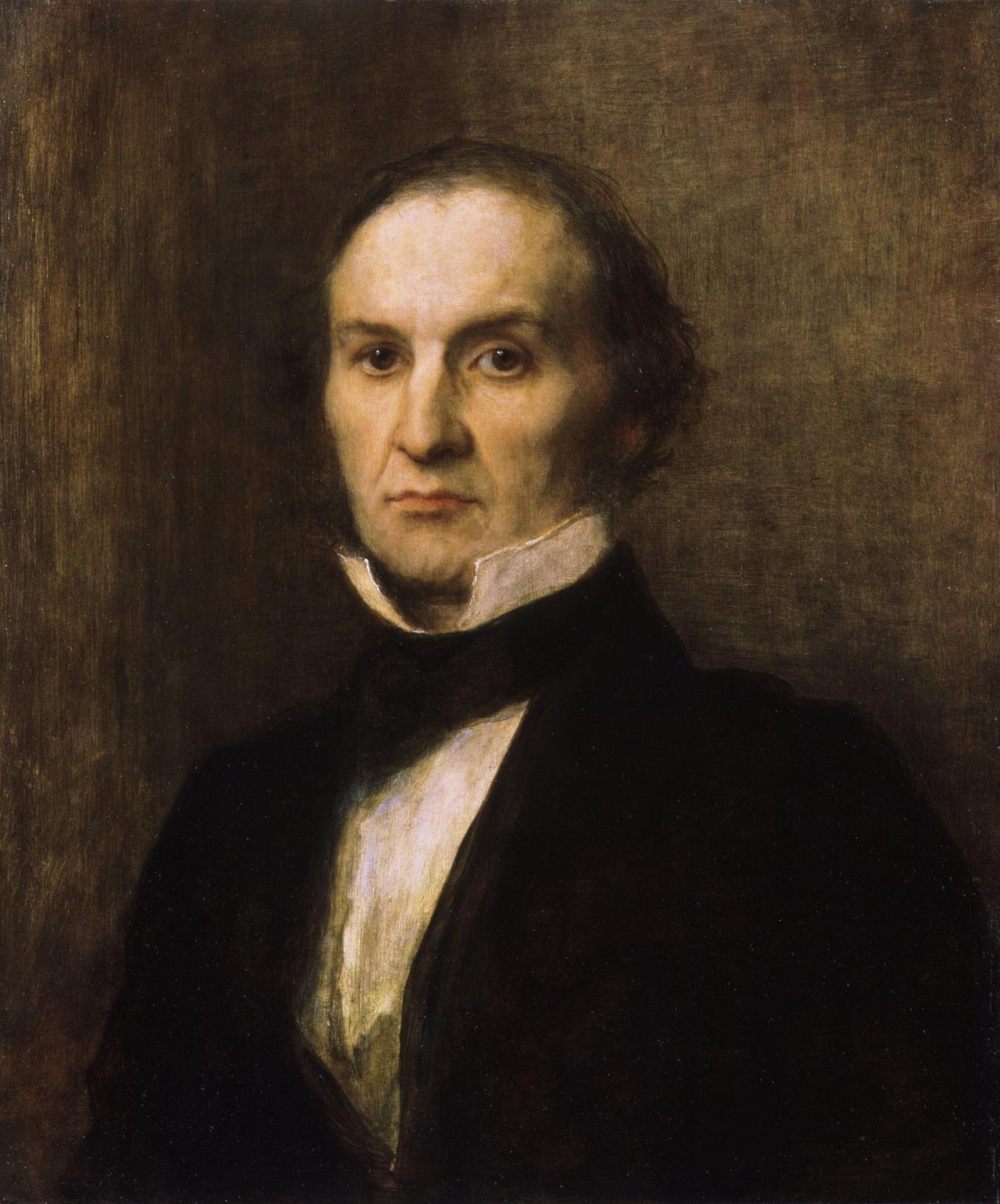
William Ewart Gladstone
William Ewart Gladstone, one of Britain’s most influential prime ministers, left a lasting mark on 19th-century politics. Born in Liverpool in 1809, Gladstone began his political journey as a Conservative, but over time, his beliefs evolved, and he became the leader of the Liberal Party. His career spanned more than six decades, during which he served as prime minister four times, an achievement unmatched in British history. Initially a defender of traditional conservative values, Gladstone's early political actions focused on maintaining the status quo, including support for the Anglican Church.
However, his shift toward liberalism saw him advocate for policies aimed at addressing societal inequalities. One of his most notable accomplishments was the extension of the voting franchise to working-class men, through the Reform Act of 1884. His belief in “the masses against the classes” became a defining element of his leadership. Gladstone’s relationship with Ireland is central to his legacy. He championed the cause of Irish Home Rule, believing that Ireland should govern itself in domestic matters. Despite his repeated efforts, his Home Rule bills faced fierce opposition and were twice defeated, reflecting the divisiveness of the issue. Nonetheless, his advocacy for Irish self-governance laid the groundwork for future reforms.
As a public speaker and writer, Gladstone was renowned for his eloquence and intellectual rigor. He was a classical scholar, fluent in several languages, and he often retreated to his study for solace amidst the pressures of political life. Known for his strong work ethic, Gladstone would often spend long hours reading, writing, and reflecting on national and global issues. In contrast to his political rival Benjamin Disraeli, who favored imperial expansion, Gladstone promoted a more restrained foreign policy.
He believed in moral diplomacy, opposing military interventions unless absolutely necessary. His tenure saw him navigate several international crises, including the Bulgarian Agitation and the occupation of Egypt. Gladstone retired from public life in 1894 and passed away four years later, leaving behind a legacy defined by his dedication to liberalism, social reform, and a profound belief in the power of the people.
Any feedback for this story?