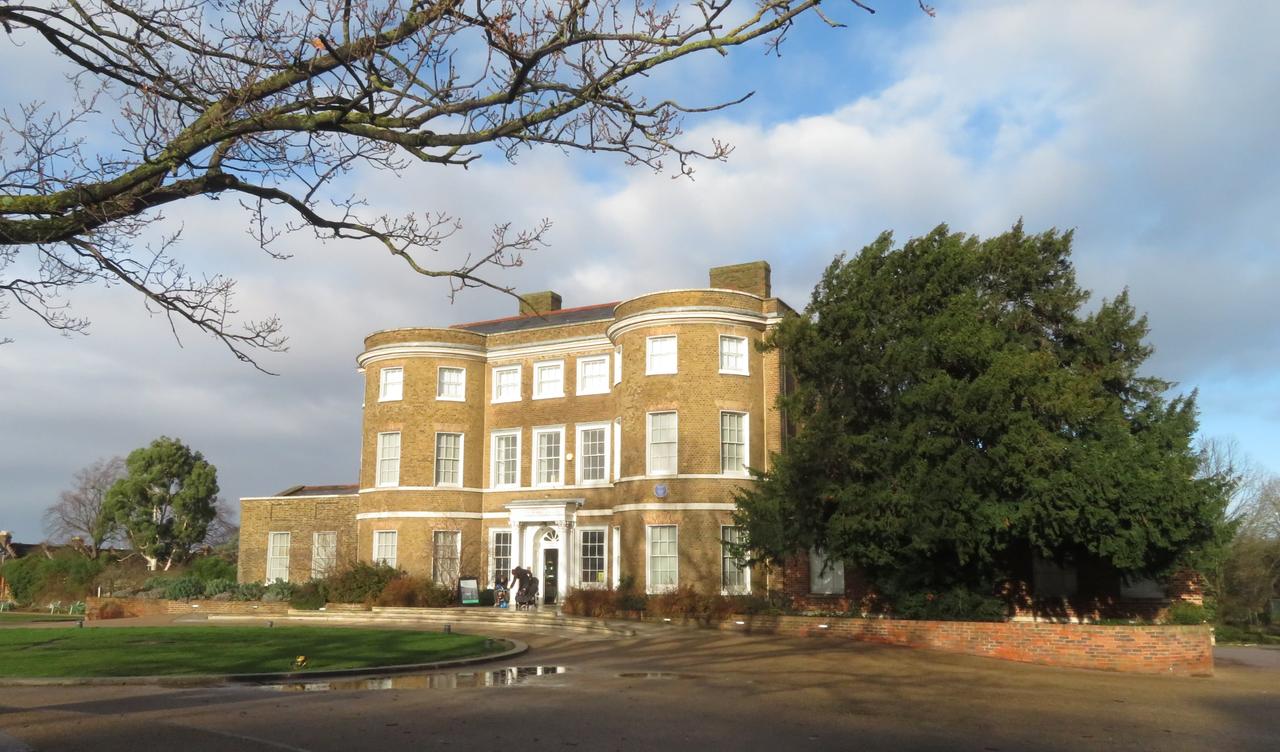
William Morris Gallery
Inside this elegant Georgian house surrounded by the green expanse of Lloyd Park stands the world's largest collection of work by a man who believed beauty should belong to everyone. The William Morris Gallery preserves the legacy of the designer whose patterns still appear on wallpapers and fabrics worldwide. William Morris lived within these walls from 1848 to 1856, during his teenage years when his creative vision began to take shape.
Born into a wealthy Walthamstow family in 1834, he would reject the mass production of his era to become the founding father of the Arts and Crafts Movement. He was a textile designer, poet, writer, and passionate socialist who declared that art should be "by the people, for the people." The house itself was built in 1762 and later purchased by newspaper proprietor Edward Lloyd in 1856.
When Lloyd's son donated the property and its grounds in 1900, it became a public park. The building opened as a museum in 1950, with Prime Minister Clement Attlee officiating the ceremony. Morris created over 50 wallpaper designs alongside textiles, furniture, and stained glass windows. His nature inspired patterns revolutionized Victorian taste and remain in production today. When he died in 1896 at age 62, the recorded cause was "being William Morris and having done more work than most ten men."
Any feedback for this story?