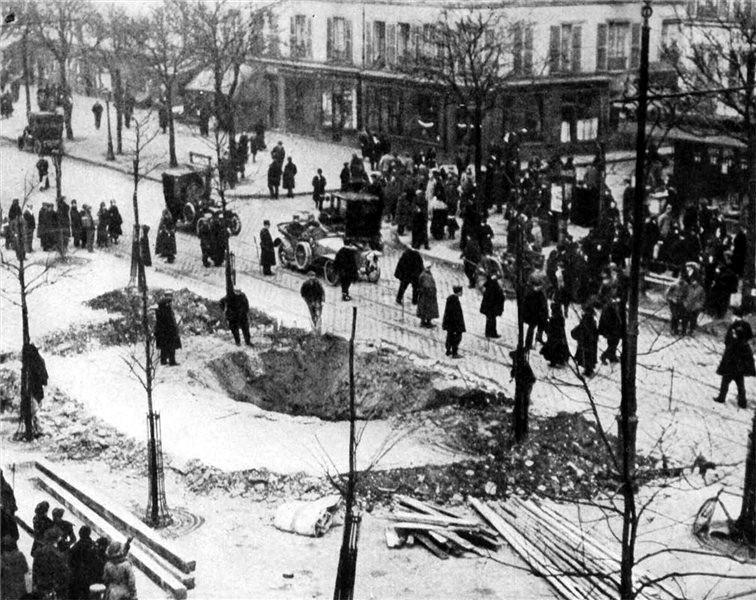
Zeppelin bombing London (1915)
On the night of May 31, 1915, a 536-foot German airship broke through the darkness above the Thames, becoming the first enemy aircraft to bomb the capital in history. LZ 38, a massive Zeppelin filled with hydrogen gas, had turned the river into a silver pathway leading straight to the eastern neighborhoods. For 20 terrifying minutes, Commander Erich Linnarz released 91 incendiary bombs, 28 explosives, and 2 grenades onto streets where families slept. The bombing killed seven people that night.
Among them were 3-year-old Elsie Leggatt and her 11-year-old sister Elizabeth May, trapped when fire consumed their home on Cowper Road in Stoke Newington. On Balls Pond Road, a married couple, Henry and Caroline Good, died in the flames. In Whitechapel, 8-year-old Samuel Reuben and 16-year-old Leah Lehrman lost their lives when an explosive hit Christian Street. The attack shattered the belief that civilians were safe from war.
Newspapers branded the Zeppelins as baby killers, and the government immediately censored all detailed reporting of bombing locations. What had seemed impossible just hours before, aerial warfare against cities, had become brutal reality. This raid launched a campaign of over 50 Zeppelin attacks across Britain during World War I, claiming more than 550 civilian lives before improved defenses forced Germany to abandon the airship offensive in 1917.
Any feedback for this story?