Gobelins Manufactory
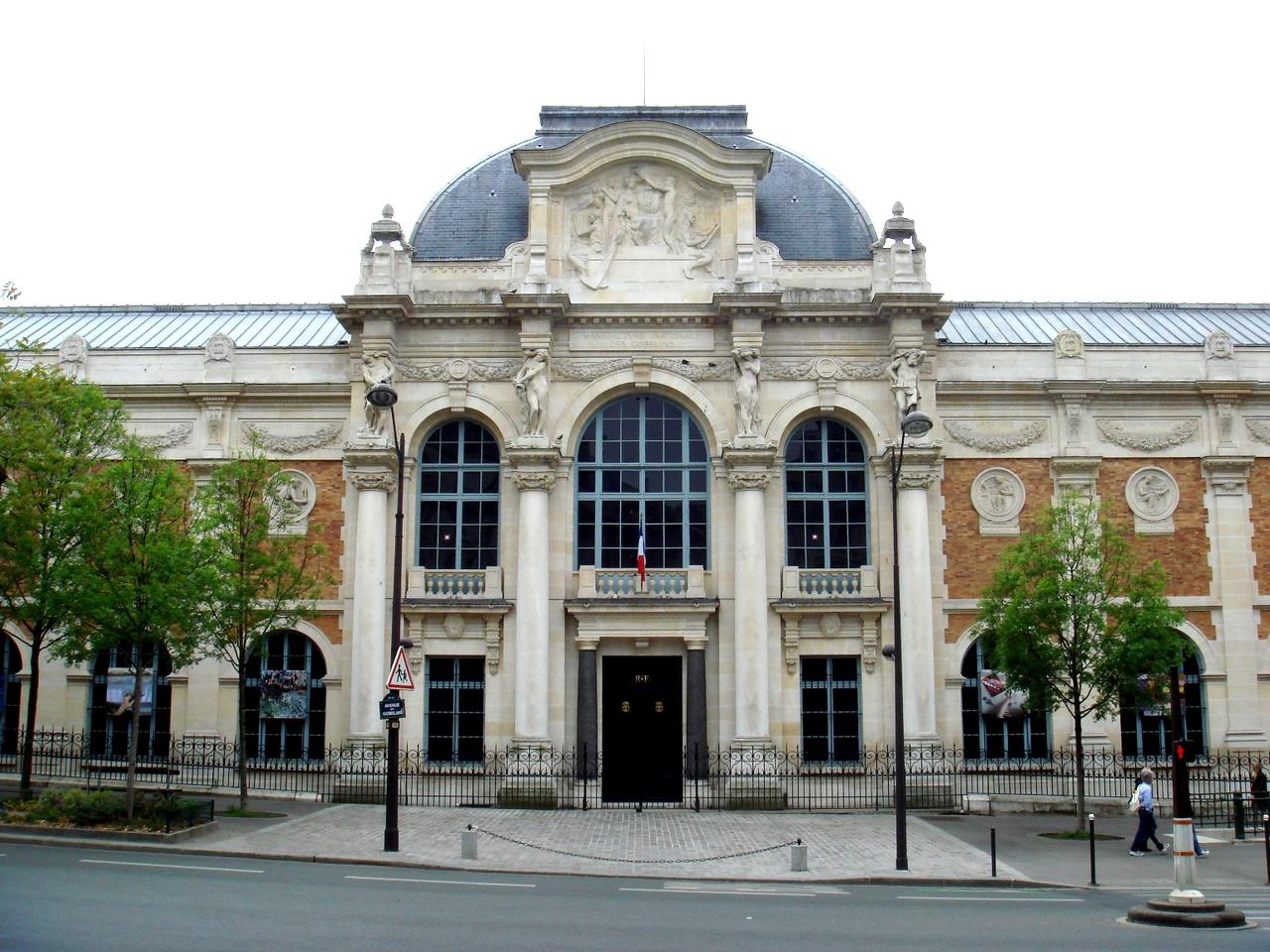
The building of the Manufacture des Gobelins is a beauty in itself – a stately façade steeped in history, carefully restored. But what was created inside is truly astonishing. Here, in these workshops, tapestries have been woven since the 17th century that rival painted masterpieces. It all started humbly as a dye works by the Gobelin family in the 15th century. In 1662, Louis XIV transformed it into a royal manufactory, where the finest weavers and designers collaborated.
Under court painter Charles Le Brun, designs emerged that reached new heights of detail and grandeur. Inside, a quiet dedication still prevails. Two artisans may spend up to three years on a single tapestry, working on tall vertical looms. Wool and silk are woven layer by layer into scenes that seem to move, with color transitions so subtle you forget it's textile.
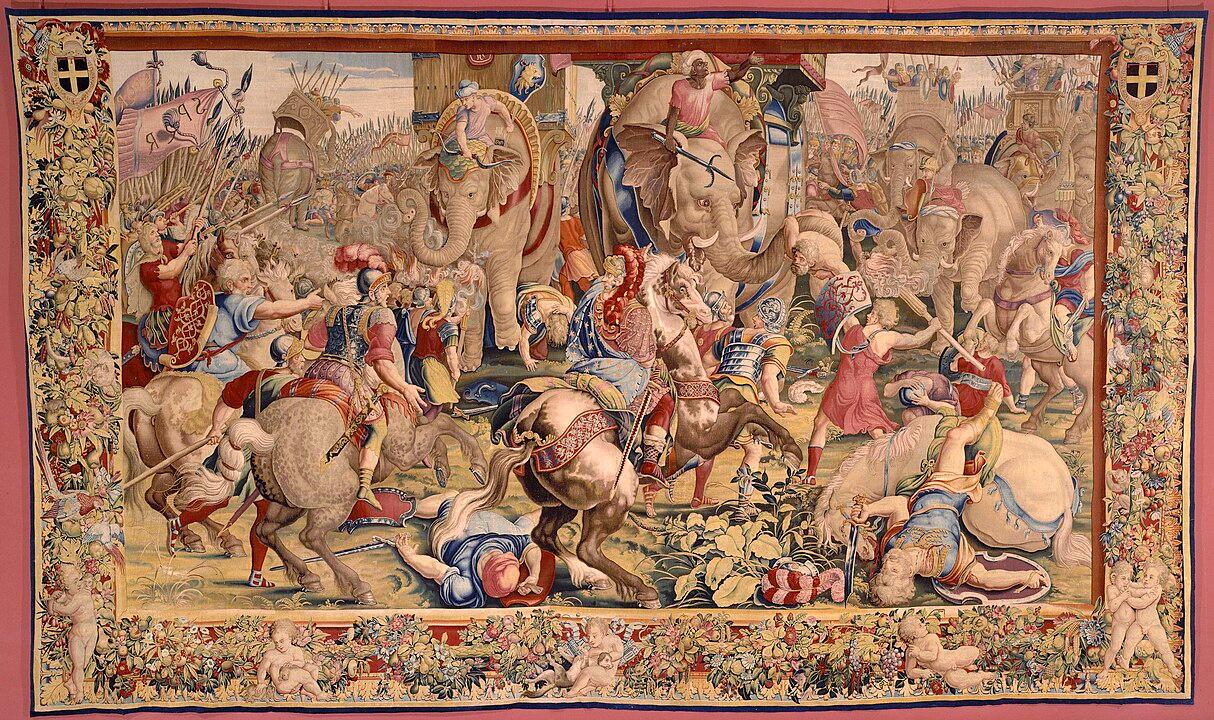
Gobelins tapestries once adorned the halls of Versailles and were given as diplomatic gifts to royal courts. Famous series, like Don Quixote and the Hunts of Louis XV, are true stories in thread, with hundreds of panels full of symbolism and skill. Attached you’ll find a tapestry that hangs in the Louvre: The Battle of Zama. You could easily mistake it for a painting.
The workshops are still active today: a small team of master weavers produces a few new pieces each year, remaining faithful to centuries-old techniques. What happens here is not mere craft. This is history woven in wool and silk – a form of art that stands the test of time.
Any feedback for this story?