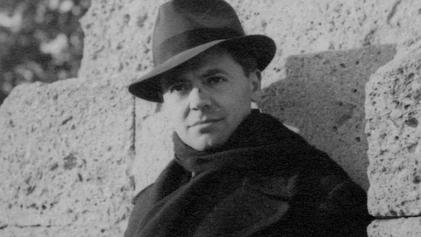
Jean Moulin
In the Panthéon in Paris rests the ashes of Jean Moulin, one of France’s most important resistance heroes. His name stands for courage and unity during the German occupation. Jean Moulin was born on June 20, 1899, in Béziers and made a career as a civil servant. In 1940, he was prefect in Eure-et-Loir when France capitulated.
The new Vichy government forced him to sign a statement falsely accusing African soldiers of war crimes. He refused, chose his honor, and narrowly survived a suicide attempt to avoid giving in under pressure. Soon after, he joined the resistance. In London, General Charles de Gaulle tasked him with uniting the many resistance groups in France.
Under the codename Max, he succeeded in bringing together movements such as Combat, Libération-Sud, and Francs-Tireurs. On May 27, 1943, he founded the National Resistance Council, which brought communists, trade unions, and political parties into one front against the occupier. His work made him a target. On June 21, 1943, he was arrested near Lyon during a secret meeting. In captivity, he was brutally tortured by Klaus Barbie but never betrayed his comrades.
During his transport to Germany, he died on July 8, 1943. In 1964, his ashes were placed in the Panthéon. Since then, France remembers him as a symbol of resistance and sacrifice. His name lives on in countless schools, squares, and streets across the country.
Any feedback for this story?