Musée Rodin
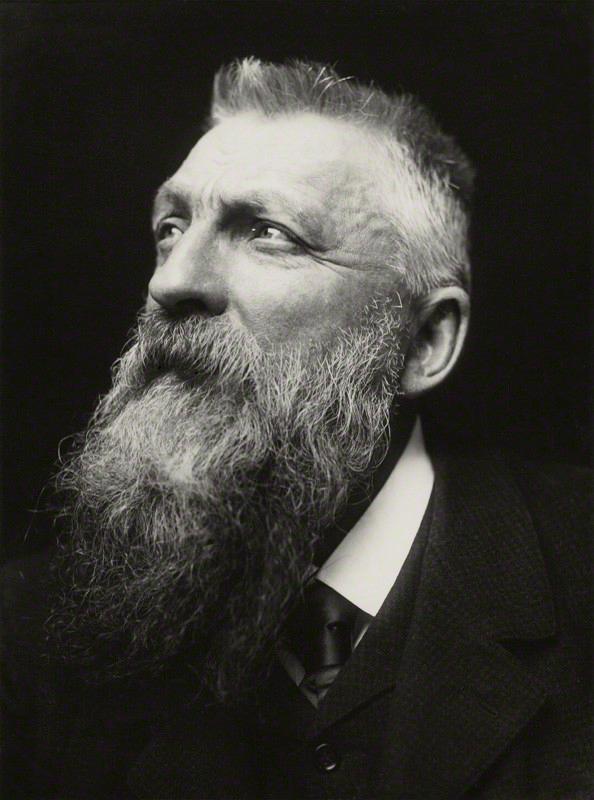
Before you step inside, take a moment to look at the Hôtel Biron itself. This elegant 18th-century mansion was a convent until 1904, run by nuns who found its ornate rococo interiors a little too glamorous for religious life. When a new law separated church and state, the sisters had to leave, and the building sat half-empty. That vacancy attracted a remarkable crowd: Matisse, Cocteau, Rilke, and eventually Rodin, who in 1908 quietly moved into four rooms on the ground floor and gradually took over the entire place.
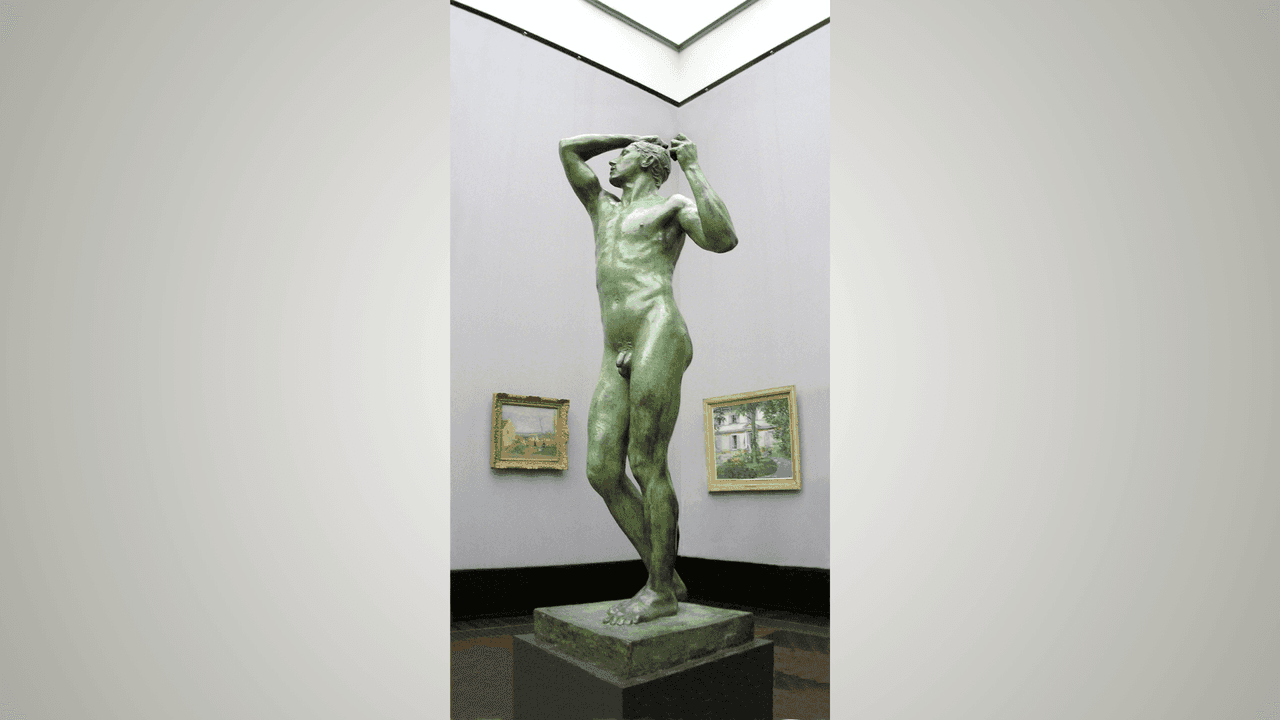
Rodin's path to getting here was anything but smooth. The École des Beaux-Arts, France's most prestigious art school, rejected him three times. He spent twenty years in obscurity, carving decorative ornaments for staircases and facades, living in poverty well into his forties. His first major sculpture, The Bronze Age, was so lifelike that critics accused him of casting a mold directly from a living body. He had to produce photographic evidence to clear his name, and his response was characteristically bold: he made his next figure deliberately larger than life, so no one could ever make that claim again. We have attached the photo of this sculpture so you can make the comparison yourself.
In order to stay in Hôtel Biron he gave his entire estate to the French state. They eventually said yes to the collection, but when he was old and ill, they refused to let him actually live in the building. He died in November 1917, partly from the cold, in his villa in Meudon, with no heating.
Any feedback for this story?