Palais Garnier
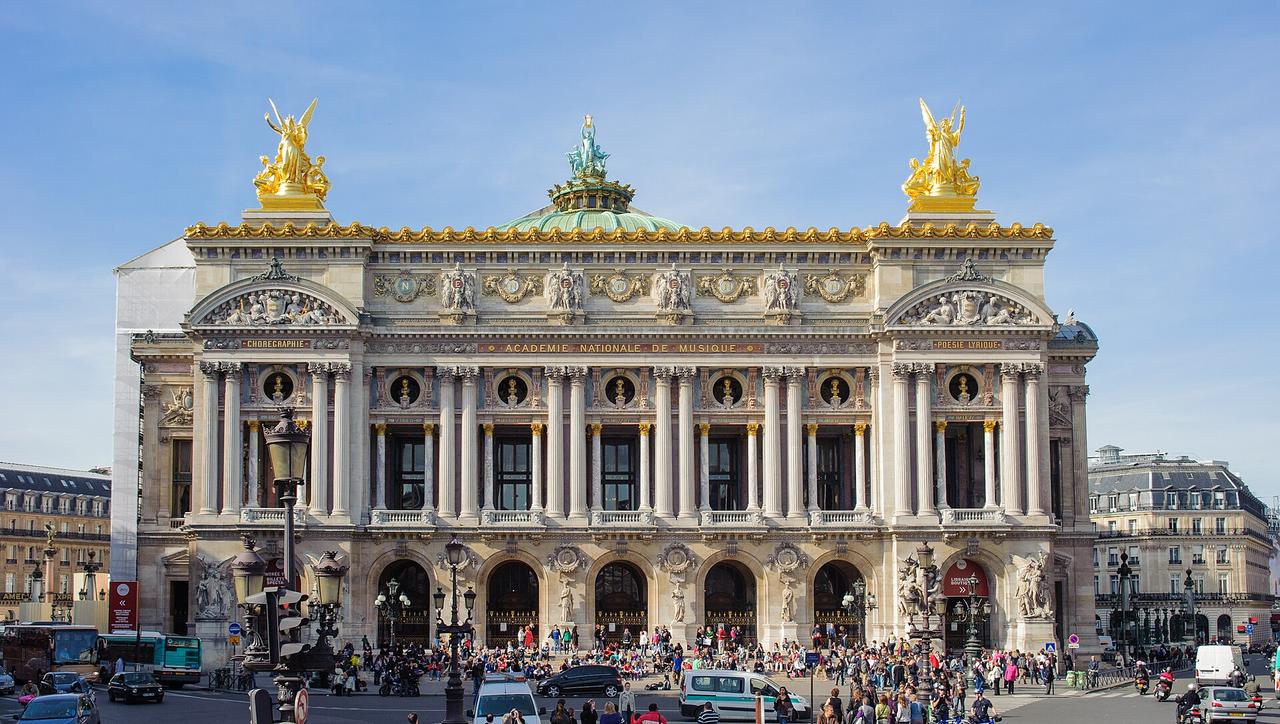
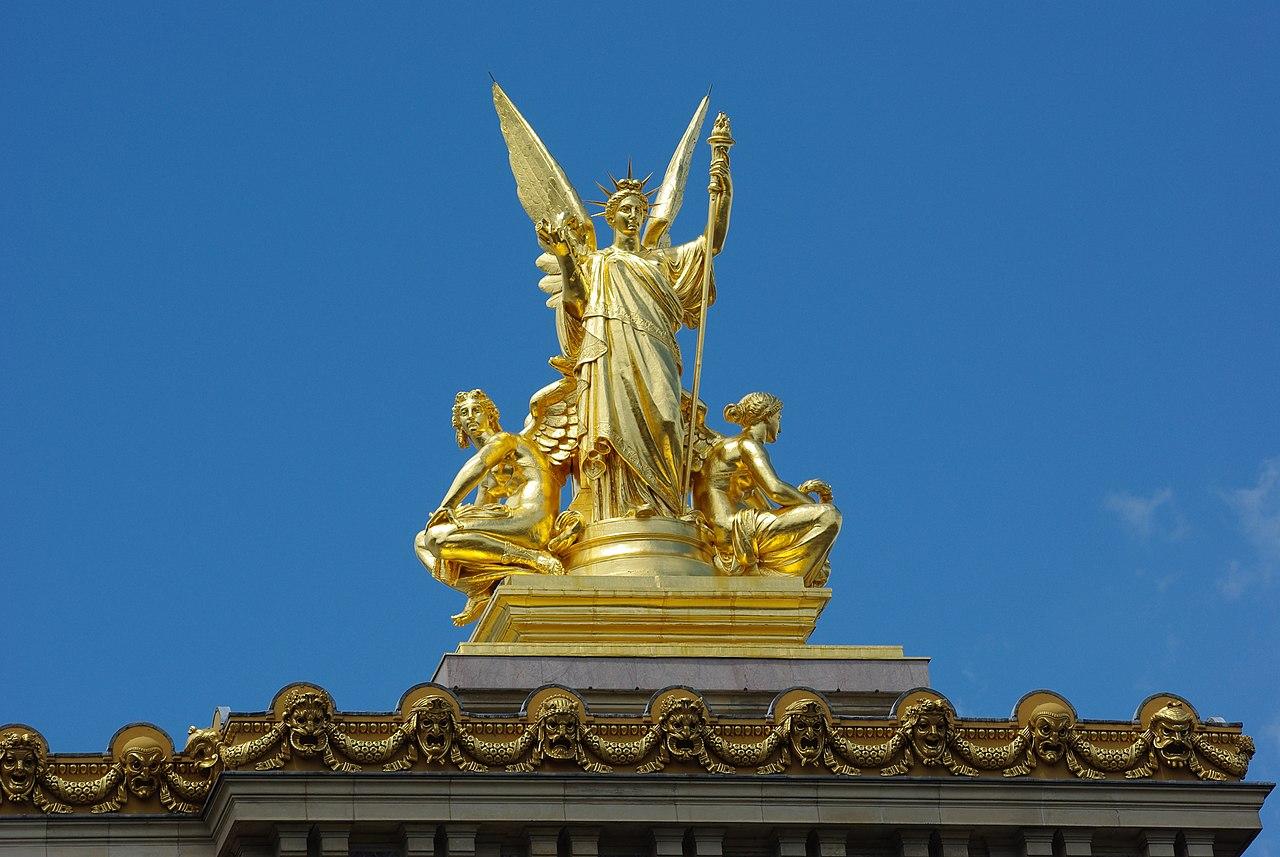
Look at that façade. Marble, bronze, gilded ornaments stacked layer upon layer, it is almost too much, and yet somehow it works. Palais Garnier opened on January 15, 1875, after fourteen years of construction under architect Charles Garnier, who entered the design competition with the motto “Bramo assai, poco spero”, "Hope for much, expect little."
The whole project was triggered by a bomb. In January 1858, an anarchist threw explosives at the carriage carrying Napoleon III and his wife to the opera. The emperor survived but immediately ordered a new opera house with a secure, direct route from his palace. That decision set everything in motion.
During construction, Garnier struck an underground spring that simply refused to stop flowing. His solution was to build a massive concrete reservoir in the foundations. It still exists today, five floors beneath the stage, filled with clear water and a family of carp that has lived there for decades.
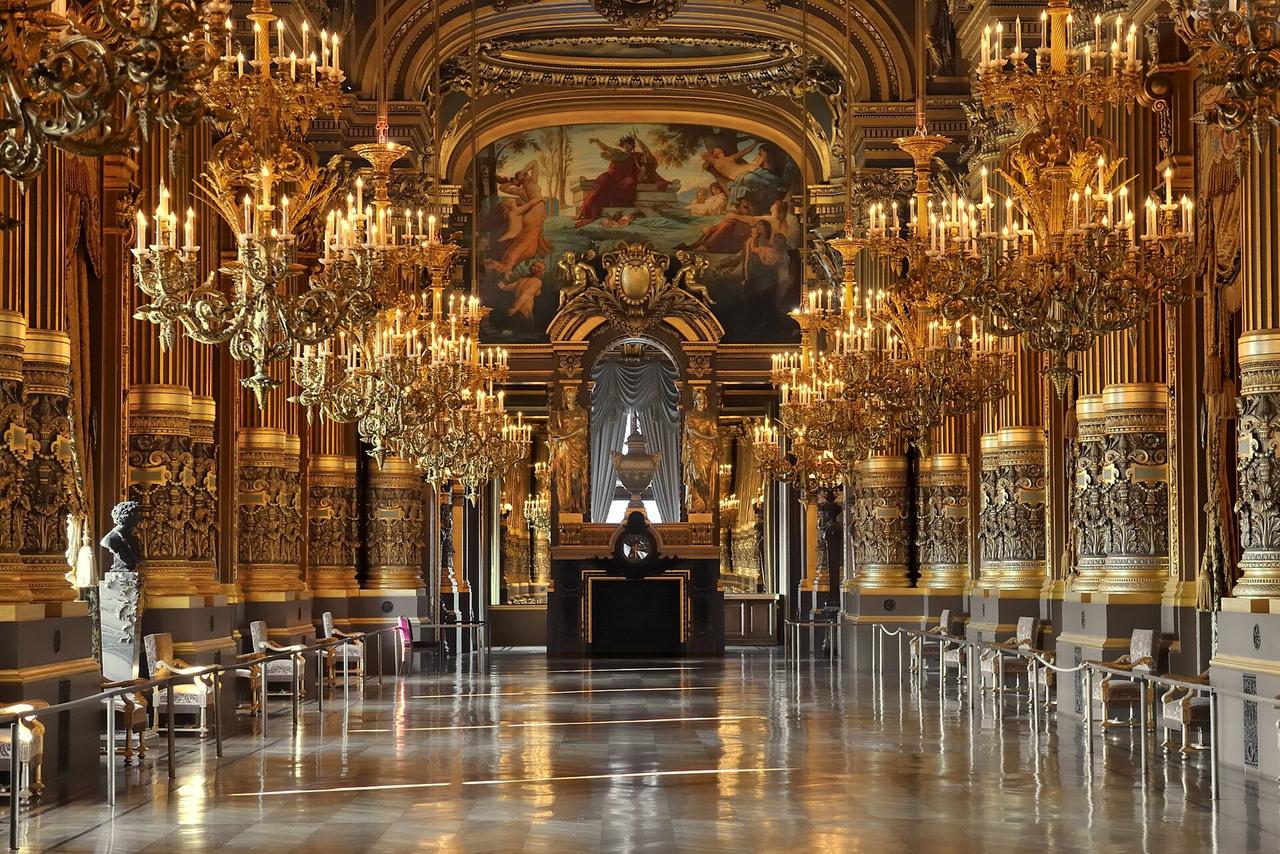
Then came the chandelier incident. In 1896, a counterweight broke loose from the seven-ton bronze-and-crystal chandelier and crashed through the ceiling, killing a woman seated in chair number 13. Fourteen years later, author Gaston Leroux wove this event, along with a ballerina whose tutu caught fire, a stagehand found hanged, and a mysterious man who nightly reserved box number 5 but was never seen inside it, into a novel you might recognize: The Phantom of the Opera.
Turns out the ghost was less fiction than we thought.
Any feedback for this story?