Square Franz Liszt
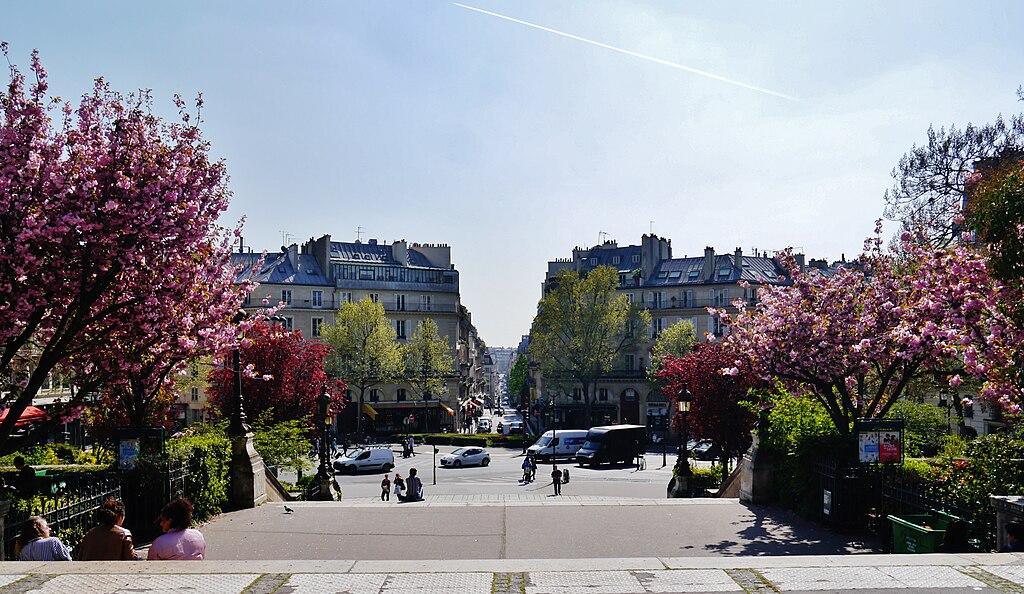
Look around you. Five streets converge right here, in front of the grand Saint-Vincent-de-Paul church. It feels calm, almost ordinary. But this square has serious musical credentials.
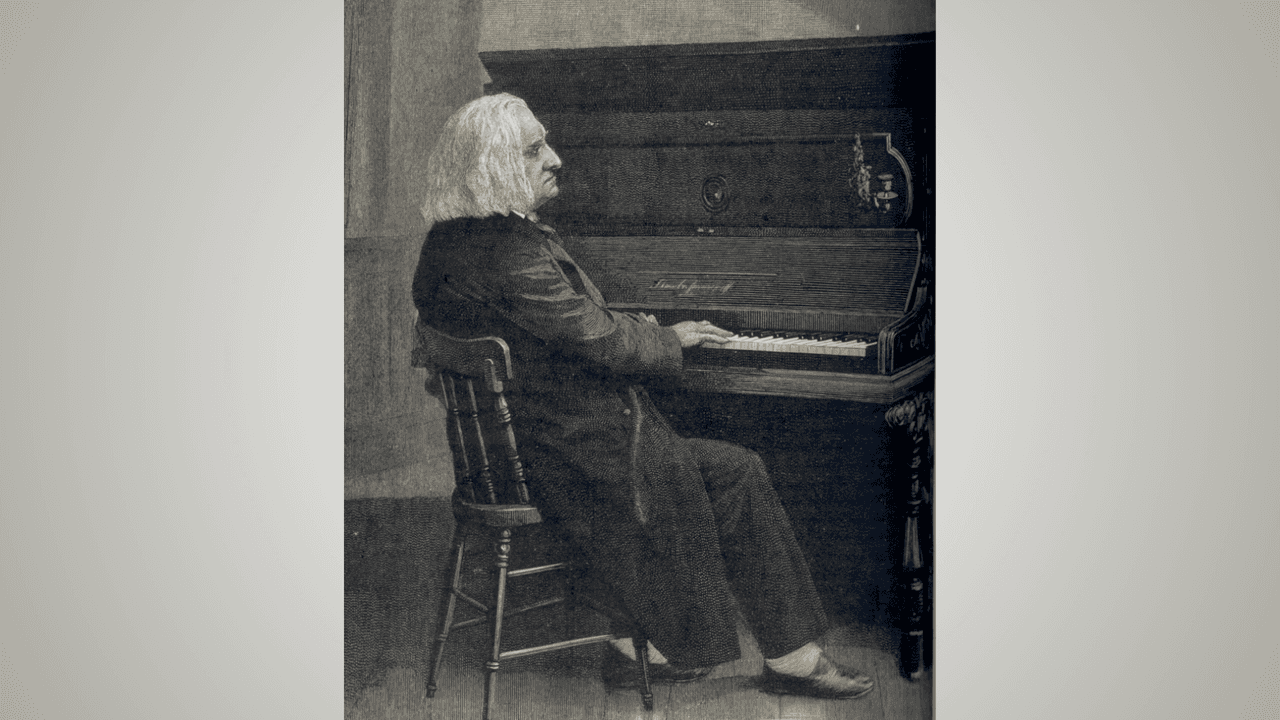
Franz Liszt was basically the pop star of the 1800s. A pianist so electric that women in the audience would faint, throw jewellery at the stage, and fight over his discarded gloves. He arrived in Paris at just 12 years old, clutching a recommendation letter from Chancellor Metternich himself. And still, the director of the Conservatoire slammed the door in his face. Wrong nationality. Foreign passport. No entry.
Liszt settled in this neighbourhood anyway, and his salon became the place to be. Victor Hugo, Chopin, George Sand, Berlioz, all gathering right here in these streets.
And over at numbers 24 to 28, a man named Debain ran a factory producing harmoniums. A harmonium is a keyboard instrument that works like a small organ, pushing air through metal reeds to produce sound. Warm, slightly melancholic. Very 19th century.
Then in October 1914, a German aircraft dropped a bomb right on this square. One of the first aerial attacks on any European city.
Today, a bookseller named Bolek keeps his stall here. History, it turns out, has excellent taste in neighbourhoods.
Any feedback for this story?