The Champs-Élysées
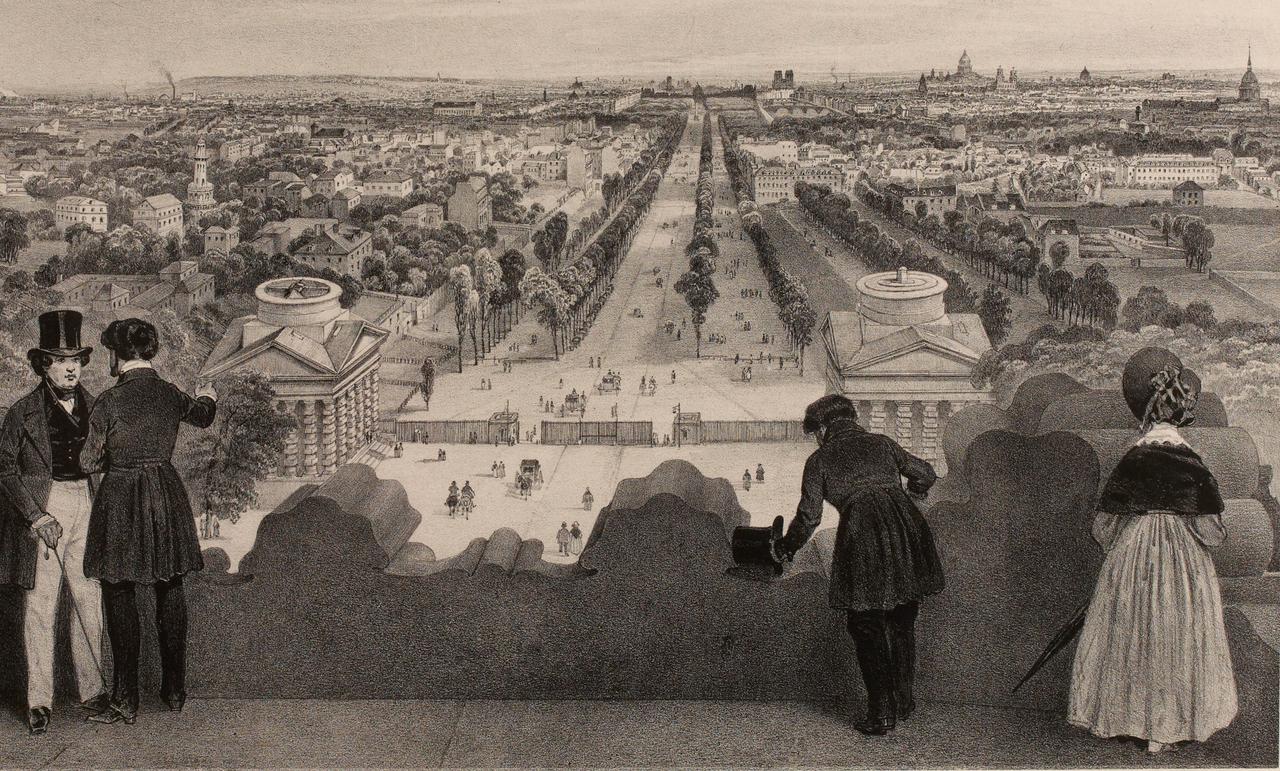
Look around you. What you are standing on was once marshland and vegetable fields, well outside the city walls of Paris. In 1616, Marie de Medici ordered a simple promenade laid out here for her walks from the Tuileries Gardens. For two more centuries, this avenue remained a rough and dangerous place. The city's great sewer, the Grand Égout, ran parallel to it, filling the air with a stench that kept respectable Parisians well away after dark. Thieves and prostitutes worked the path freely. It was only in 1828 that gas lamps, pavements, cafés and theaters finally arrived, and the boulevard we recognize today began to take shape.
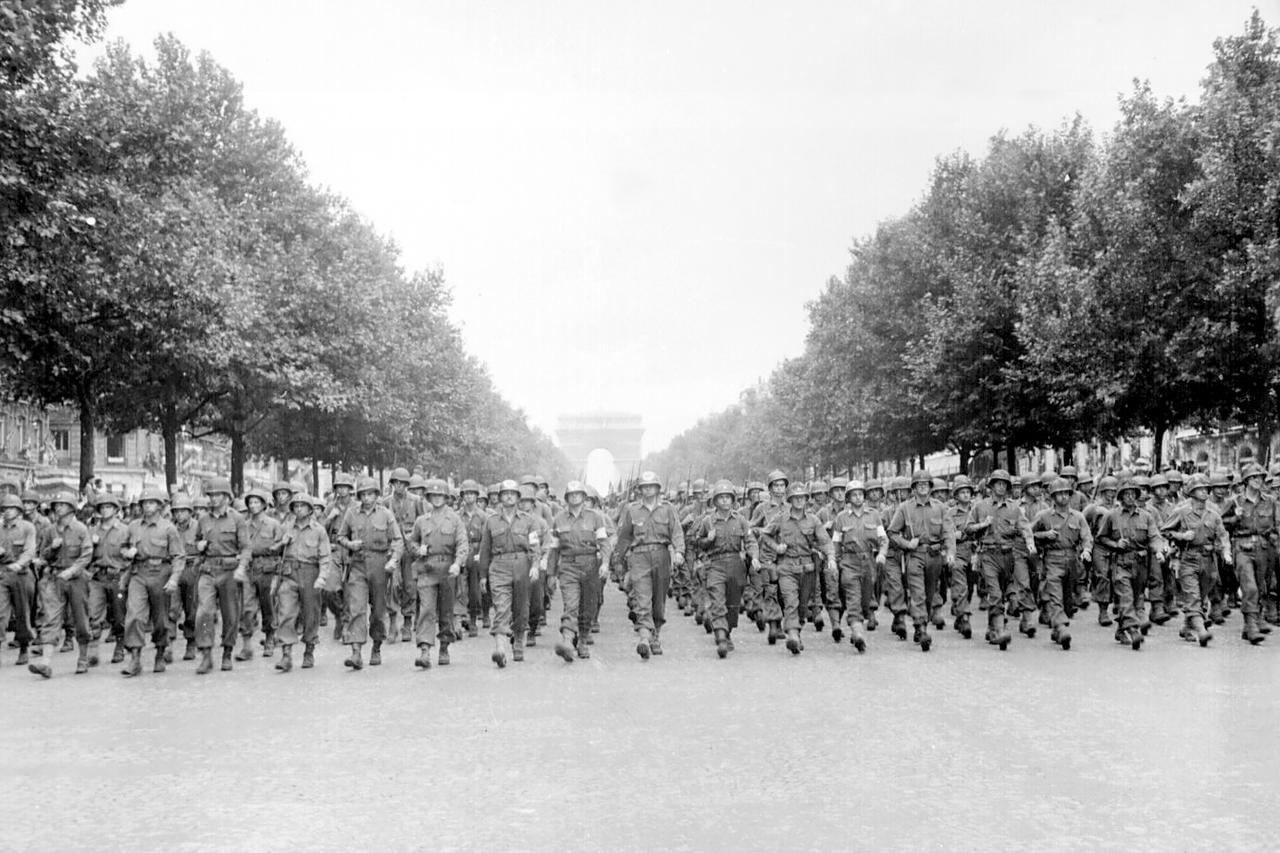
Then came the 20th century, and this avenue carried the full weight of history. On 14 June 1940, German troops marched past the Arc de Triomphe in a moment that became one of the most painful images of the war. Four years later, on 26 August 1944, General de Gaulle walked the same route on foot while snipers were still firing into the crowd. The same stretch of pavement, the same stones, two completely opposite moments in time.
Today, 300,000 people walk here every day, making it the fifth most expensive retail street in the world. De Gaulle himself once said this was the most beautiful avenue on earth, as long as you ignored the buildings on either side. Charming to the end.
This brings us to the final stop of today's route. We hope you've enjoyed the walk! See you next time!
Any feedback for this story?