The Grand Palais
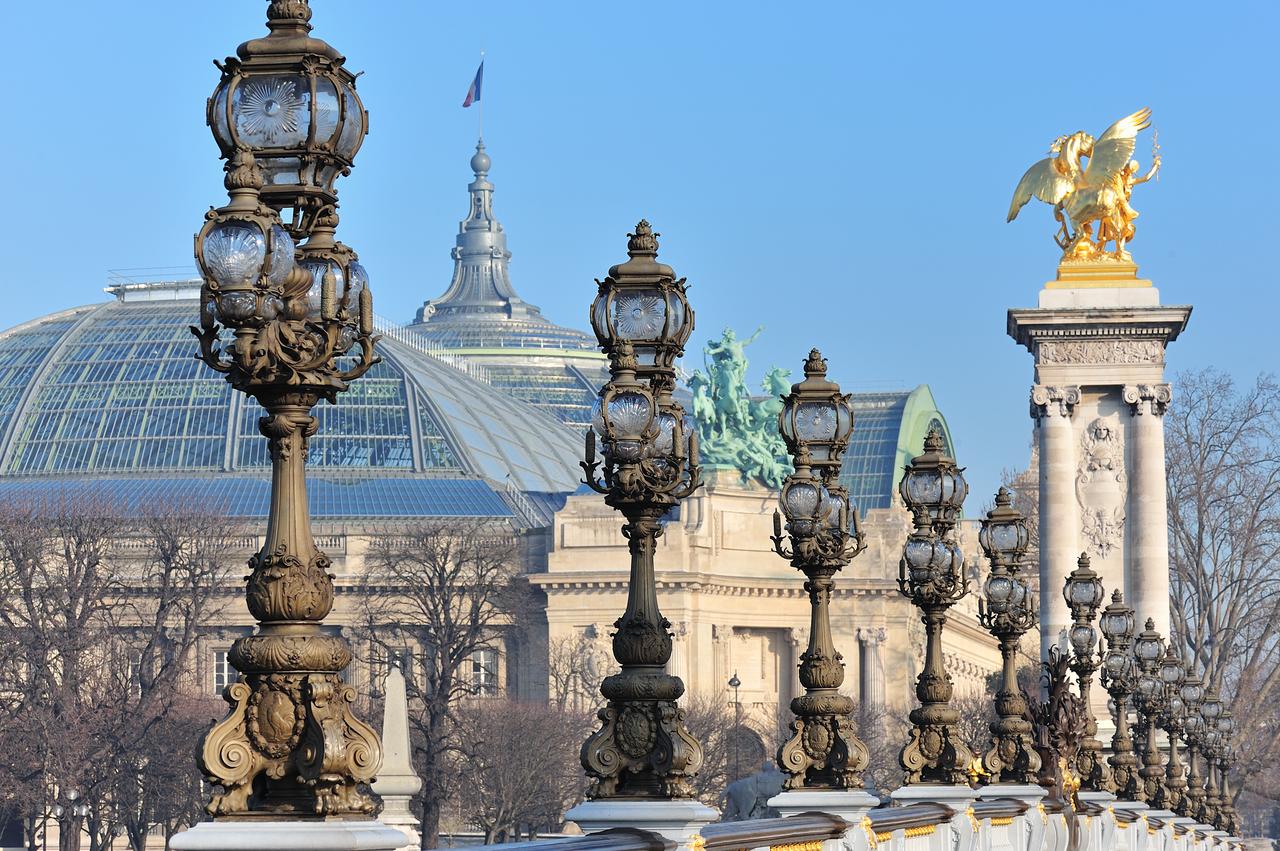
The Grand Palais and the Petit Palais, funny names, really, since both buildings are genuinely enormous. But standing here in front of the Grand Palais, you understand why it earned the grander title.
What you're looking at was built in just three years by four competing architects working simultaneously. Nobody won the design contest outright, so the French government simply handed each winner a different section of the building. Henri Deglane, Albert Louvet, Albert Thomas, and Charles Girault each built their own piece, which explains the playful mix of styles you can still spot today. The Seine-side ground kept sinking during construction, so 3,400 oak piles were driven into the earth to save the foundations. Eight months of delay, but the building still hit its 1900 deadline.
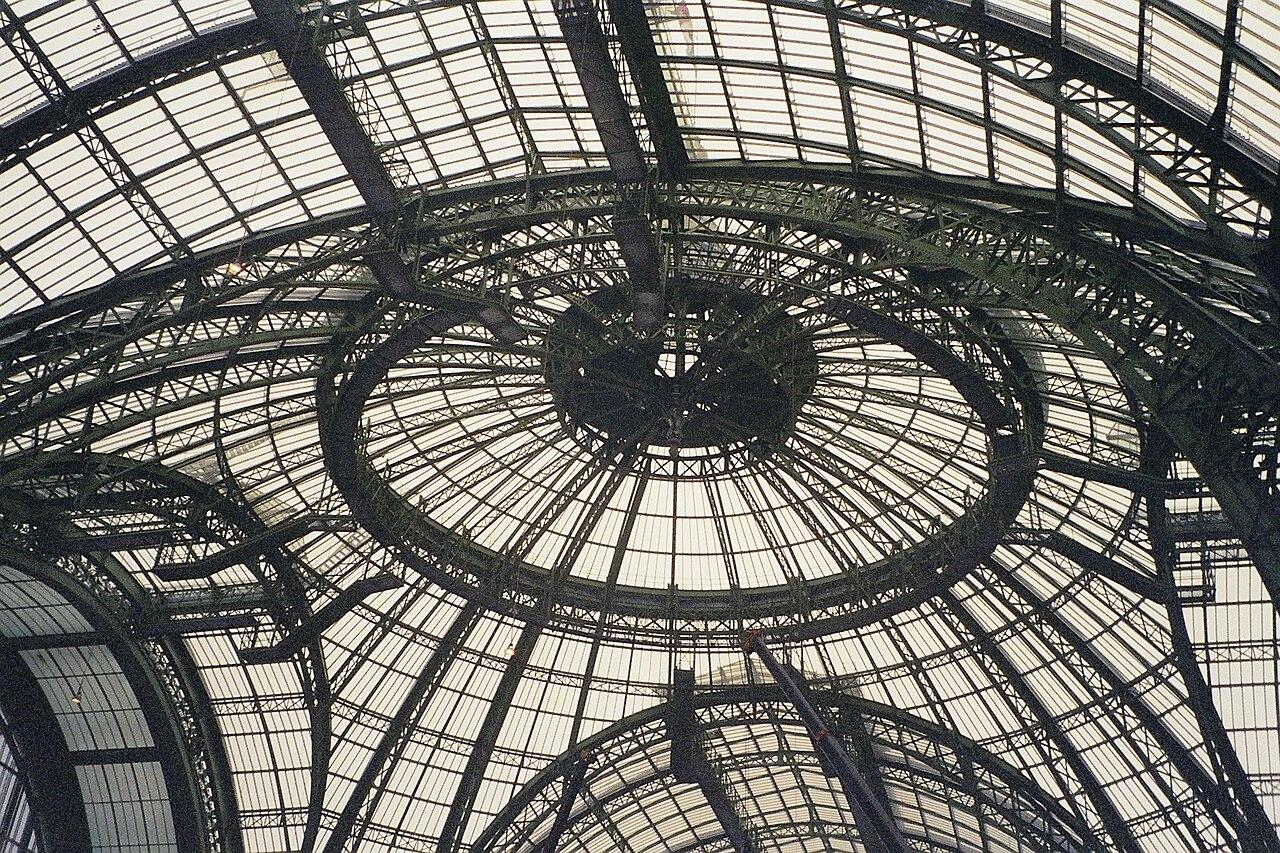
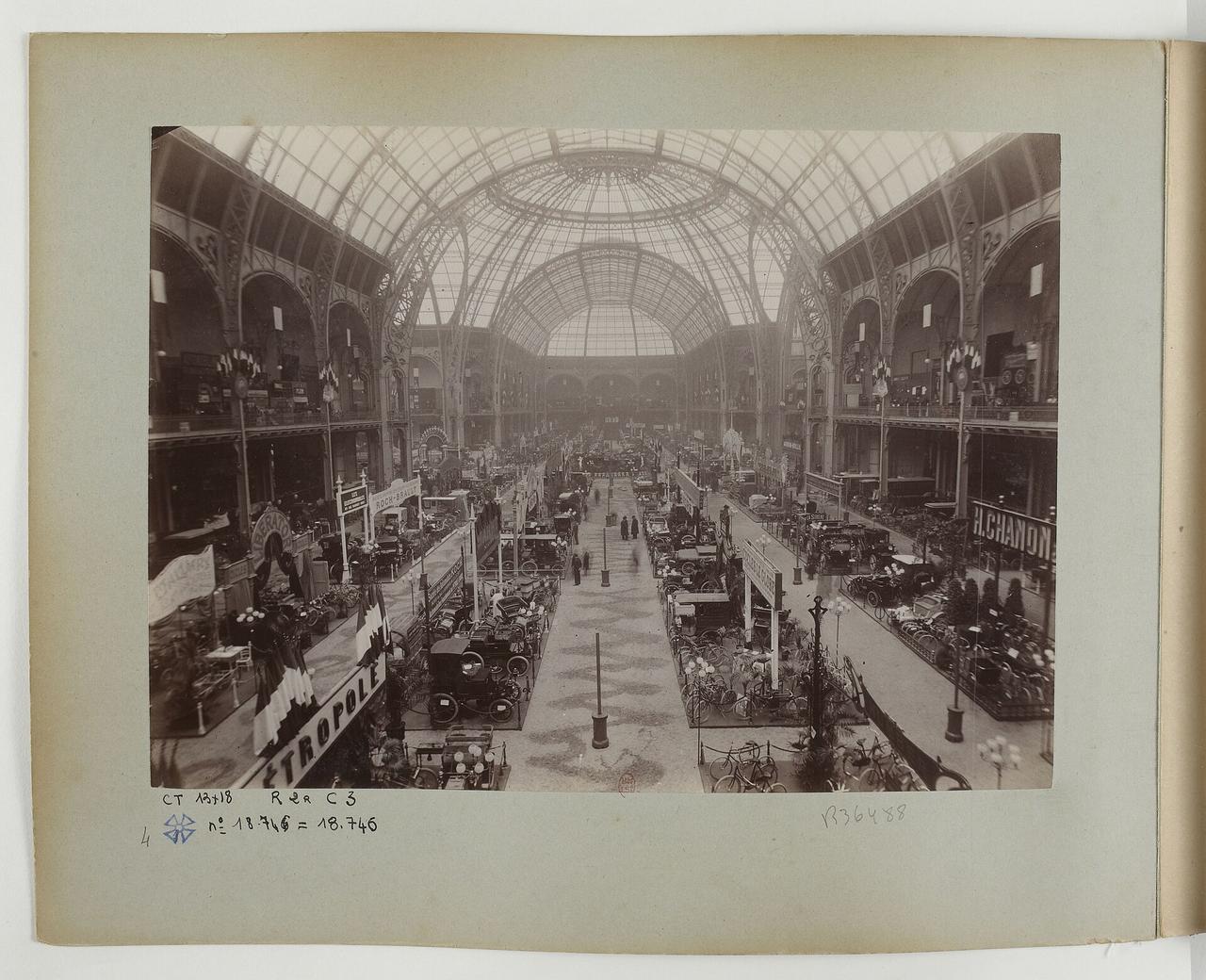
That glass roof above you is the largest in Europe, held up by 9,000 tonnes of steel, more than the Eiffel Tower itself used. When it opened, this was the first fully electrically lit major public space in Paris. For a city already calling itself the City of Light, that was quite a statement. As you can see in photographs from 1900, the glow must have been extraordinary.
During World War One it became a military hospital. During World War Two, Nazi forces used it as a garage and later a resistance headquarters operated out of its halls. In August 1944, a German tank opened fire on the building, igniting hay that had been stacked inside for an upcoming circus show. For two days, thick smoke billowed through these grand halls.
Lets move on to the Petit Palais!
Any feedback for this story?