Museum of Communism
--:--
--:--
Welcome to the Museum of Communism, on Na Příkopě Street in the heart of the city. You're standing where an American named Glenn Spicker decided to tell a story most locals want to forget.
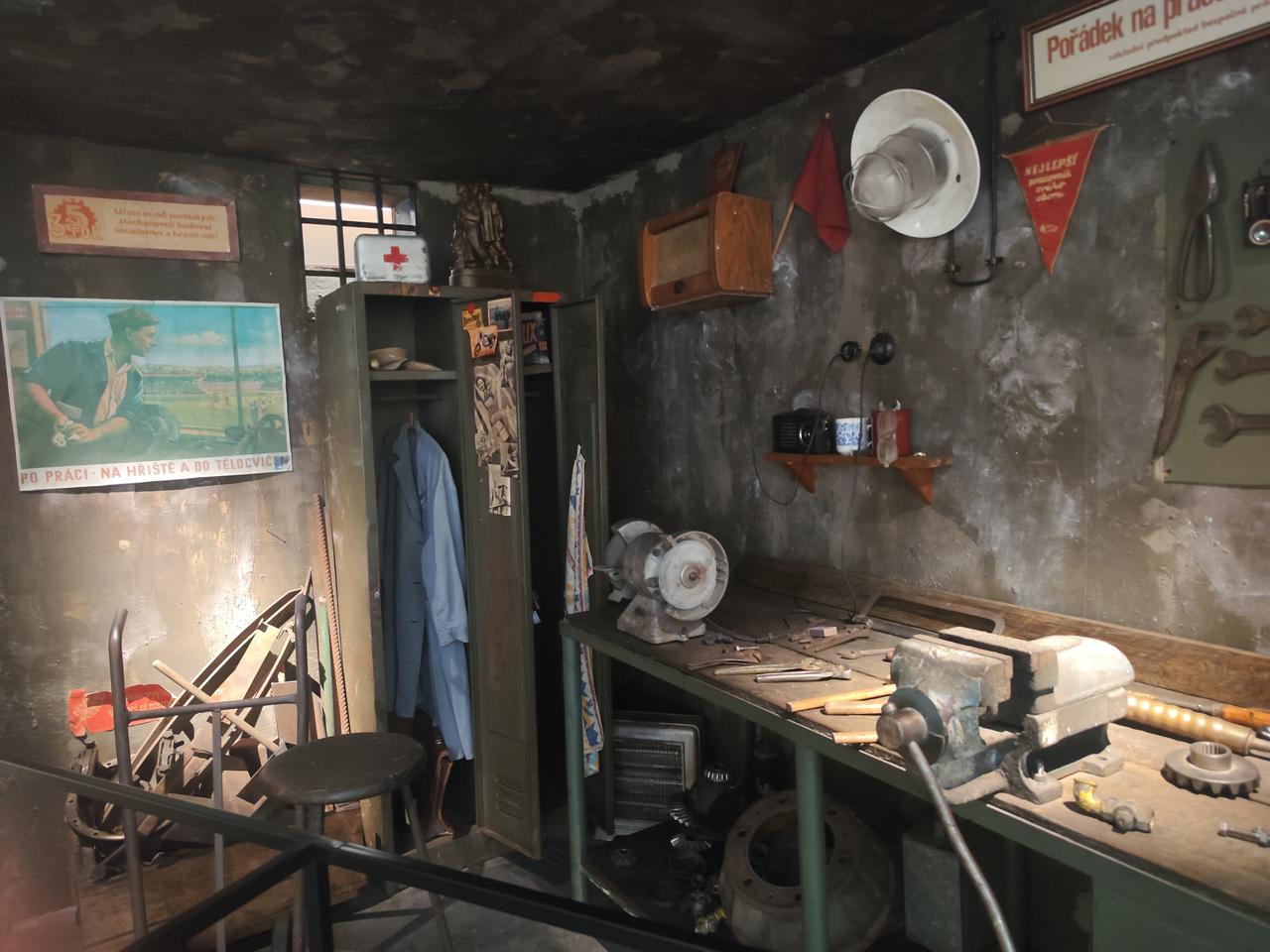
Spicker moved here after the regime fell in 1989. In 2001, he opened this museum with 28,000 dollars and over 1,000 artifacts bought at flea markets. Propaganda posters, secret police files, classroom desks. He wanted visitors to understand what people lived through from 1948 to 1989.
For 16 years, this museum sat above a McDonald's and next to a casino. The irony wasn't accidental. A man memorializing an ideology that despised Western capitalism put his museum on top of its biggest symbol.
Those 41 years weren't abstract. The Communist Party imprisoned over 200,000 people. Secret police employed 200,000 informants watching neighbors. Criticizing the government meant risking an interrogation room with a phone that never stopped ringing.
In 2017, the museum moved here for more space. Czechs mostly avoid it. They lived it. Tourists come to understand how different things were.
Wenceslas Square is 2 blocks away. That's where half a million people gathered in November 1989, jangling keys to signal it was time for the Party to leave. Without a shot fired, communism ended 20 days later.
Any feedback for this story?