National Museum
--:--
--:--
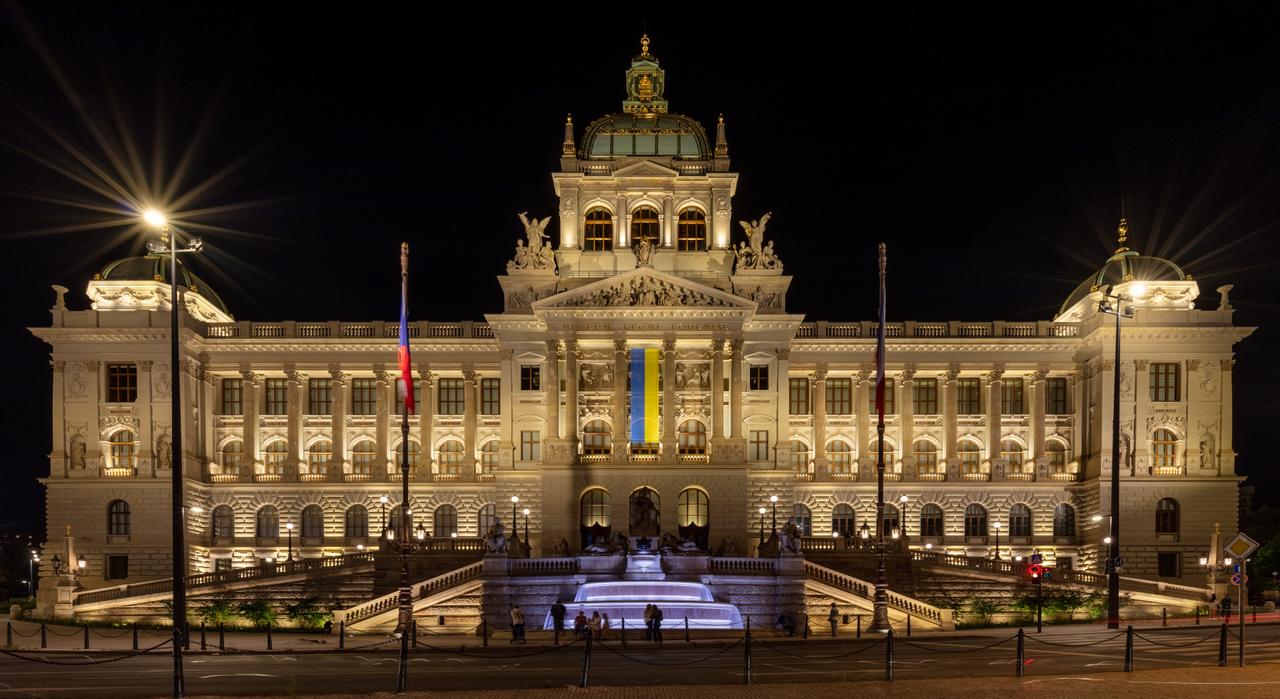
Look at those columns on the façade. See the lighter patches in the stone? Those are bullet holes from August 21, 1968, when Soviet troops opened fire on this building during the Warsaw Pact invasion.
This neo-Renaissance palace at the top of Wenceslas Square was built between 1885 and 1891 by architect Josef Schulz. It opened as a symbol of Czech national pride, housing millions of items from natural history to art. For decades, it stood as a beacon of Czech culture and science.
Problem was, Soviet soldiers thought it looked too important to be just a museum. They mistook it for a parliament or government building and unleashed machine gun fire at the façade. Inside, museum director Vladimír Denkstein hit the floor as bullets tore through his office window. The attack destroyed stone statues, drilled holes through repositories, and even damaged exhibits. One tableau about liberation got hit directly on the word LIBÉRATION.
The Czechs found dark humor in the damage. They nicknamed the bullet riddled façade "the mosaic by El Grechko." When workers repaired it in the early 1970s, they deliberately used lighter colored sandstone. Some say it was a subtle protest, making sure the scars would never fully disappear.
Any feedback for this story?