Prague Linguistic Circle
--:--
--:--
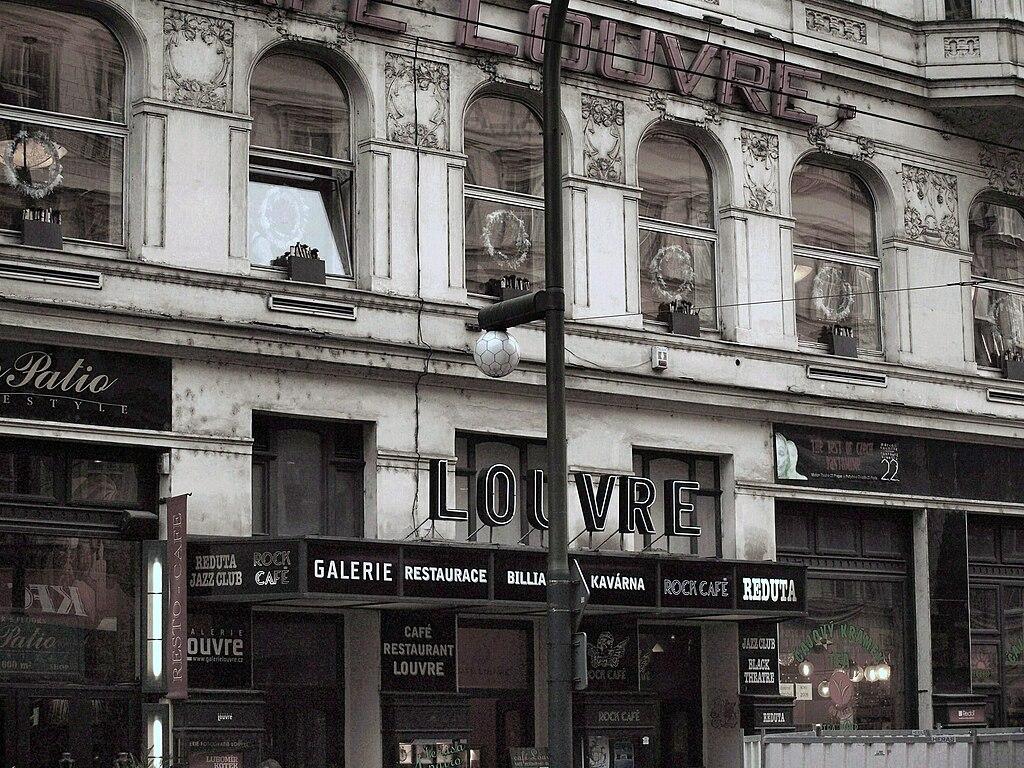
This grand café became the birthplace of a revolution in how we understand human language.
In 1926, a group of linguists and literary scholars began meeting regularly at Café Derby, located in the heart of the city near Wenceslas Square. Led by Czech linguist Vilém Mathesius, the group included brilliant minds like Russian émigré Roman Jakobson, Nikolai Trubetzkoy, and Czech scholar Jan Mukařovský. Together, they formed the Prague Linguistic Circle, a movement that would transform linguistics forever.
These scholars developed structural linguistics, a groundbreaking approach that analyzed language as a system of interconnected parts rather than isolated elements. They introduced the concept of the phoneme and demonstrated how sounds function within language systems. Their ideas challenged the dominant linguistic theories of the time.
In 1929, the Circle presented their revolutionary theses at the First Congress of Slavists in Prague. These principles became the foundation of modern linguistics, influencing everything from language teaching to computer speech recognition. The Circle published their research in the journal Travaux du Cercle Linguistique de Prague, spreading their ideas across Europe.
The café provided the perfect informal setting where Czech and Russian intellectuals could exchange ideas freely, creating one of the most influential intellectual movements of the 20th century.
Any feedback for this story?