The Prague Semmering Viaducts
--:--
--:--
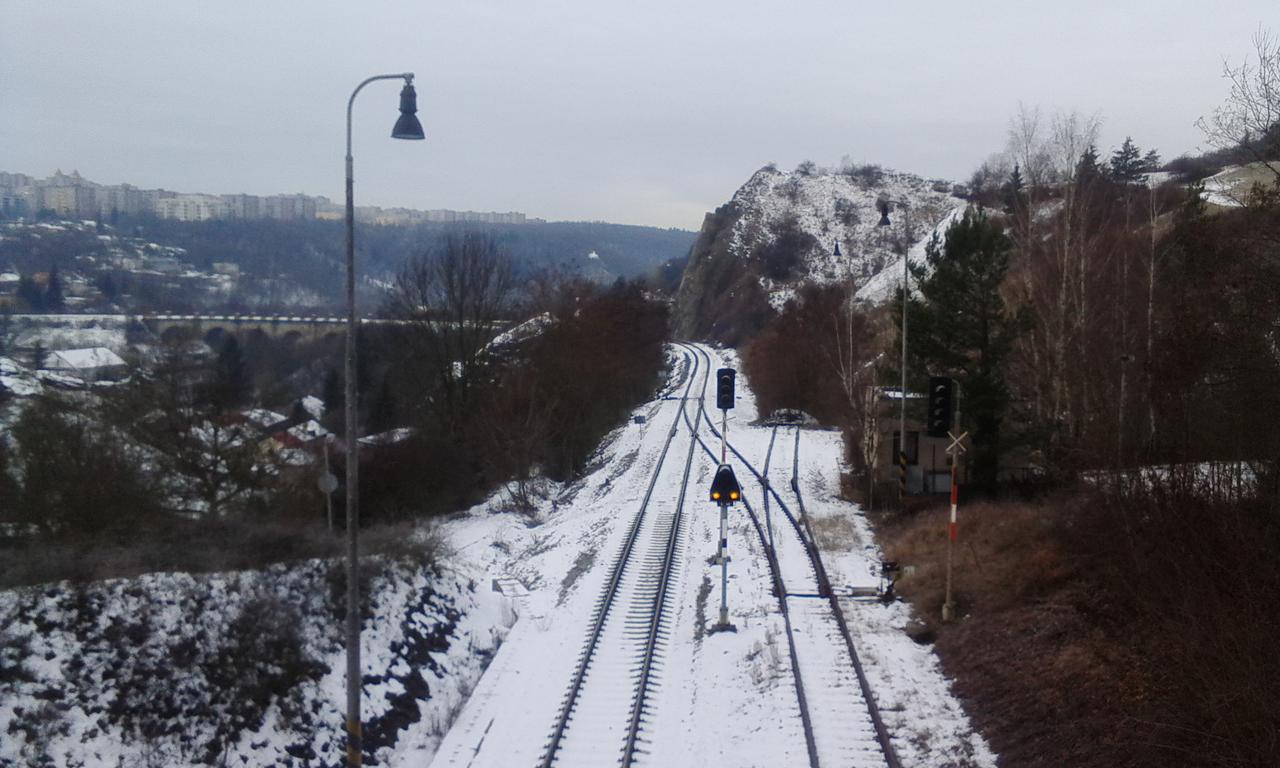
Look at these stone arches cutting across the valley below. You're standing near the Hlubočepské viaducts, a railway section that engineers in the 1870s called impossible to build.
The problem was simple. The terrain drops sharply here. To connect the western rail line, they had two options: take a massive detour adding hours to every journey, or punch straight through with viaducts and tunnels.
They chose the expensive option.
Between 1870 and 1872, crews blasted 4 tunnels through solid rock and constructed 2 massive viaducts. The larger one has 10 arches reaching 20 meters high. Workers hauled thousands of tons of limestone by hand. They worked through 2 brutal winters.
The scale impressed everyone. People started calling it Pražský Semmering after Austria's famous Semmering Railway, the world's first mountain railway that conquered the Alps. Here's the thing though: that comparison was generous. The Austrian Semmering was a genuine engineering miracle. This stretch? Difficult, yes. Alpine? Not quite.
But the work held. When the first locomotive crossed in July 1872, it shaved hours off the western route. Trains still cross these arches every day, carrying the same loads they did 150 years ago.
Any feedback for this story?