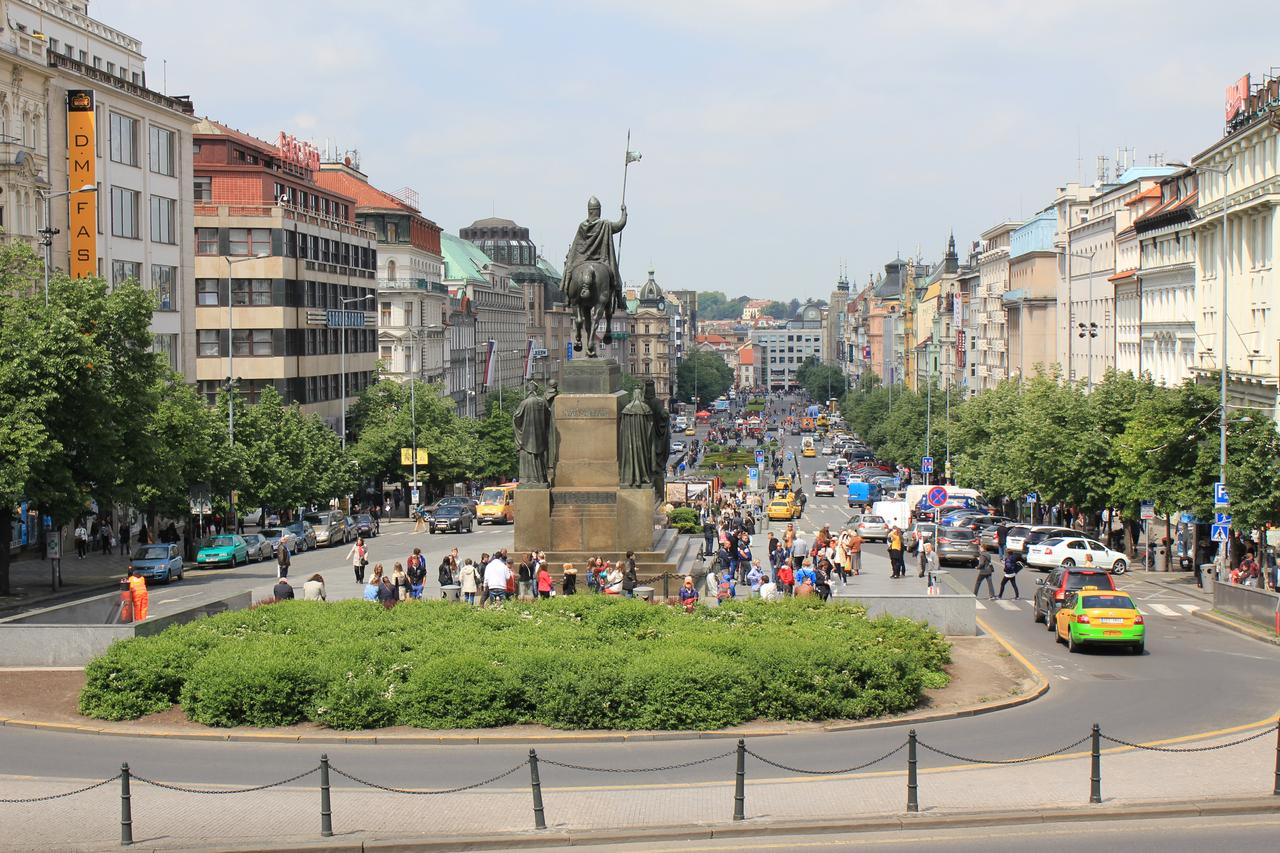
Wenceslas Square
--:--
--:--
Welcome to Wenceslas Square. Look at the pavement in front of the National Museum. There's a small bronze cross embedded here. This marks where Jan Palach fell on January 16, 1969.
Palach was a history student at Charles University. 8 months earlier, Soviet tanks had rolled into the city to crush political reforms. The occupation brought censorship, fear, and what Palach called the demoralization of society. People had stopped resisting.
So he climbed these museum steps at 4 in the afternoon, doused himself in gasoline, and lit a match.
The shocking part? He survived for 3 days. Burns covered 85 percent of his body, but he gave interviews from his hospital bed. His voice was rough and halting. When asked why he did it, he said he wanted to voice opposition to the invasion and make people wake up.
He signed his suicide note Torch Number 1, suggesting more would follow. They did. In the months after his death, 26 more people set themselves on fire across the country. 1 month later, student Jan Zajíc became Torch Number 2 at this exact spot.
20 years after Palach's death, protesters returned here in what became known as Palach Week. Those demonstrations helped spark the 1989 Velvet Revolution that finally ended Soviet control.
Any feedback for this story?