Katendrecht
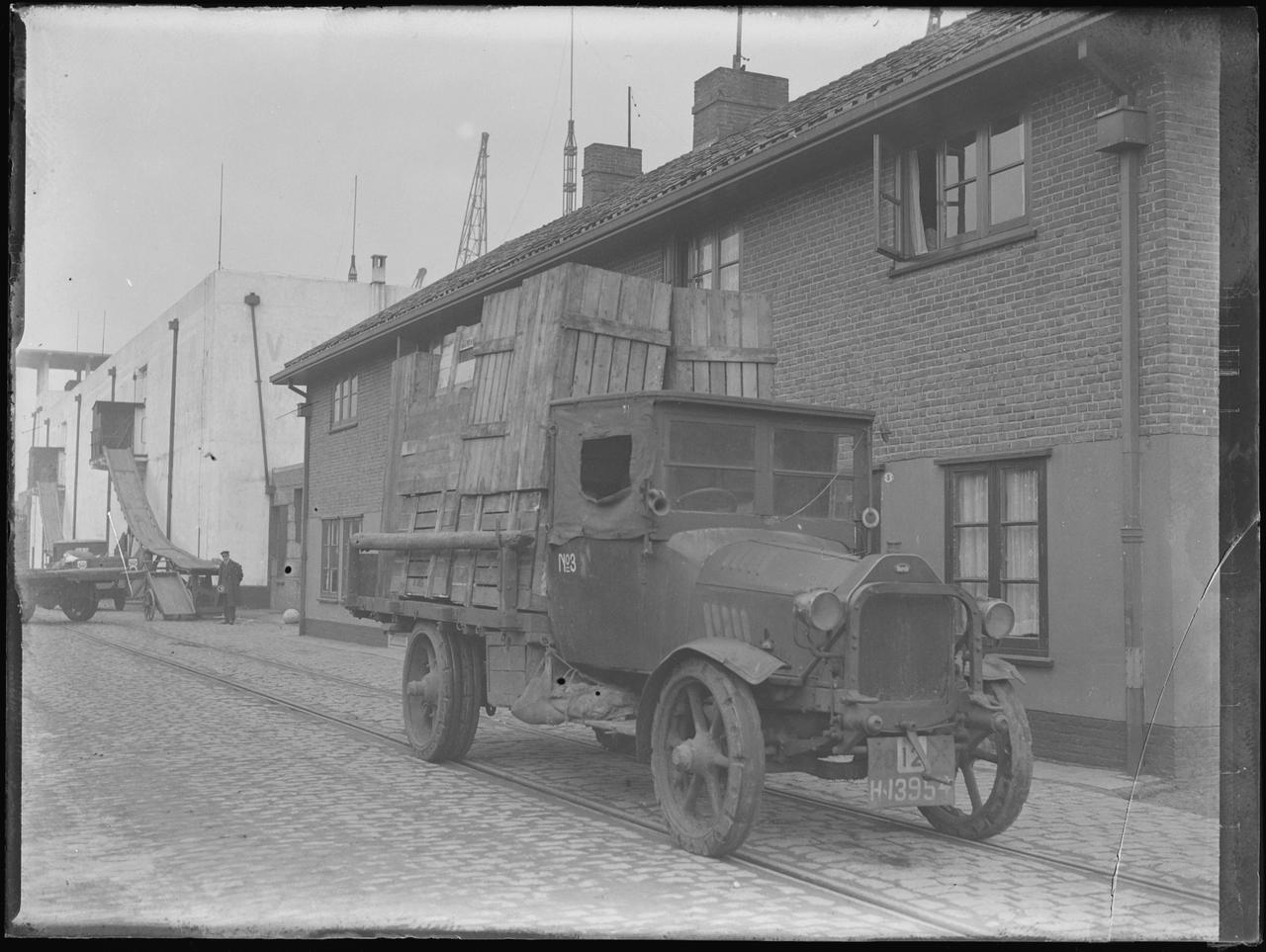
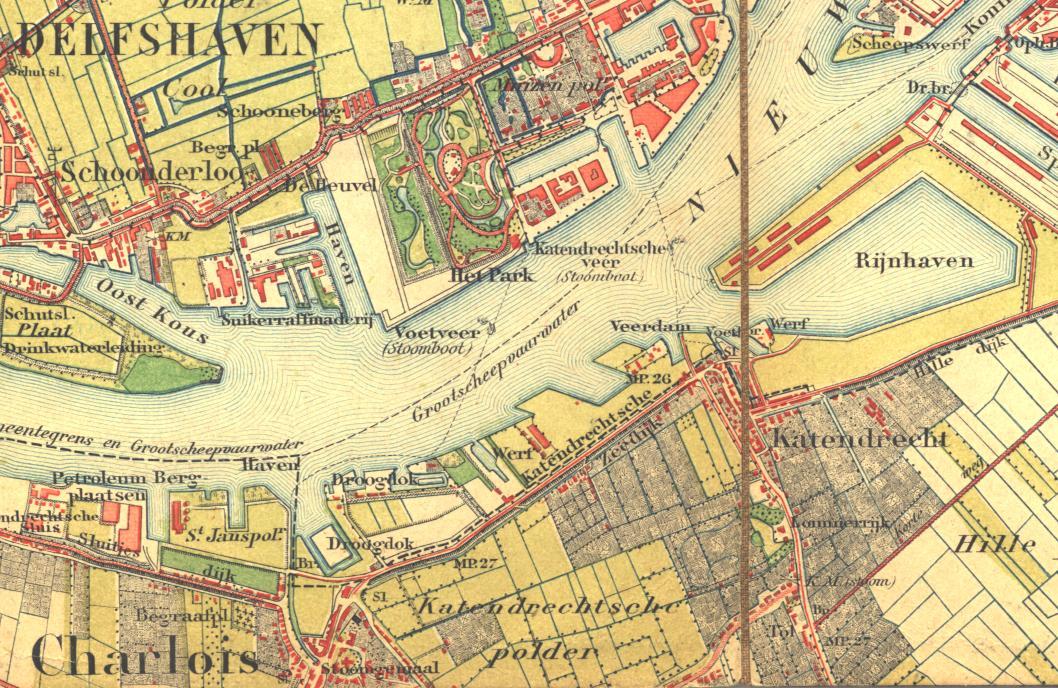
Here on Katendrecht, between the Rijnhaven and Maashaven, everything changed over time. From a quiet polder village with farms and a village church, it became a rough port district full of sailors, migrants, and industry. The construction of the harbors at the end of the nineteenth century marked the end of the old village. Houses made way for workshops and warehouses.
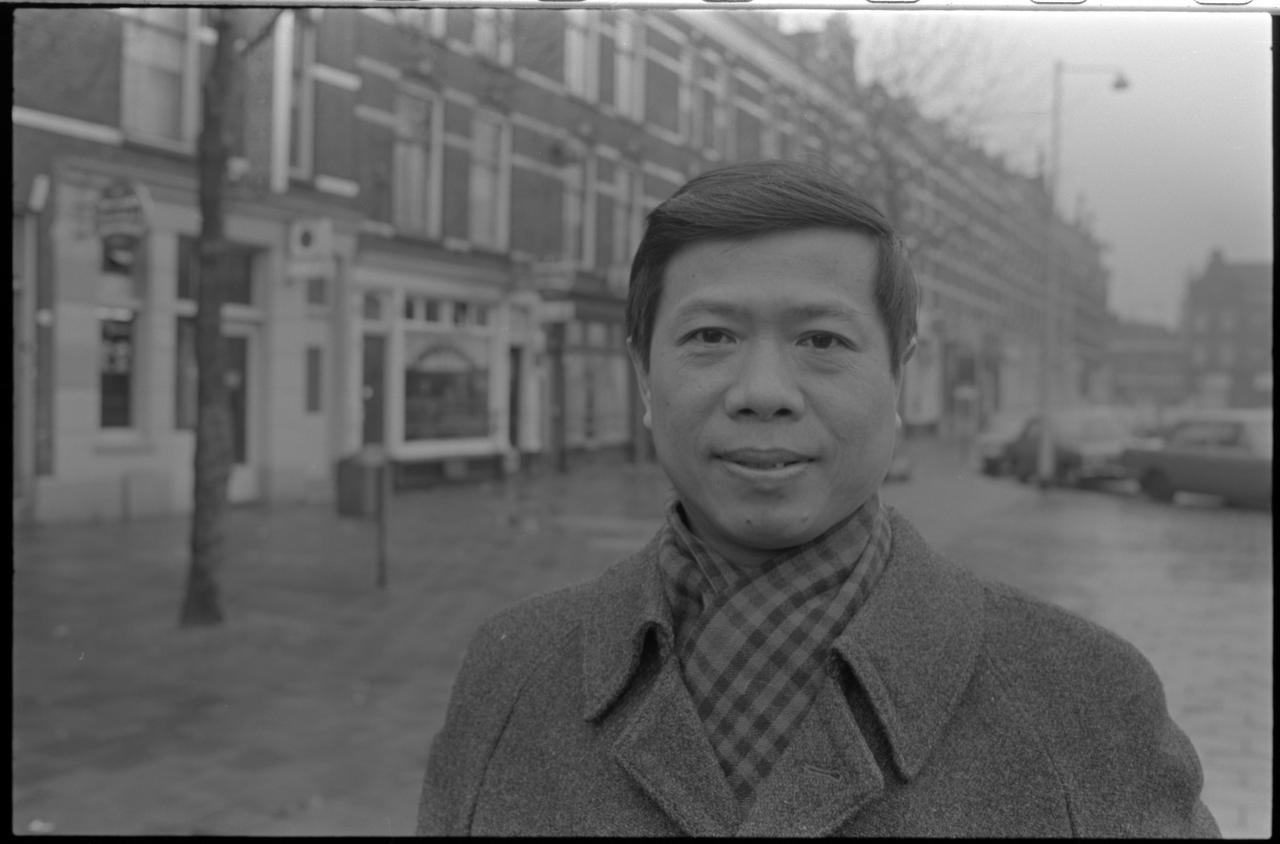
In 1911, the first Chinese workers arrived in Rotterdam. They settled in Katendrecht and built a thriving Chinese community with boarding houses, restaurants, and tea houses. This became the first Chinatown in the Netherlands, where Chinese goods and smells mixed with the rough harbor life.
During World War II, Katendrecht was largely spared. It was a refuge for people hiding from the occupiers. The nightlife with jazz and drinks continued.After the war, Katendrecht gained a reputation as a red-light district. Sailors found entertainment in cafes, brothels, and tattoo shops. In the seventies, the city started to intervene. Prostitution and crime were tackled, old buildings disappeared, and the neighborhood changed.
Today, Katendrecht is hardly comparable to the past. Where sailors once gambled their money, now there are restaurants, theaters, and modern housing.
Any feedback for this story?