Rotterdam during the Second World War
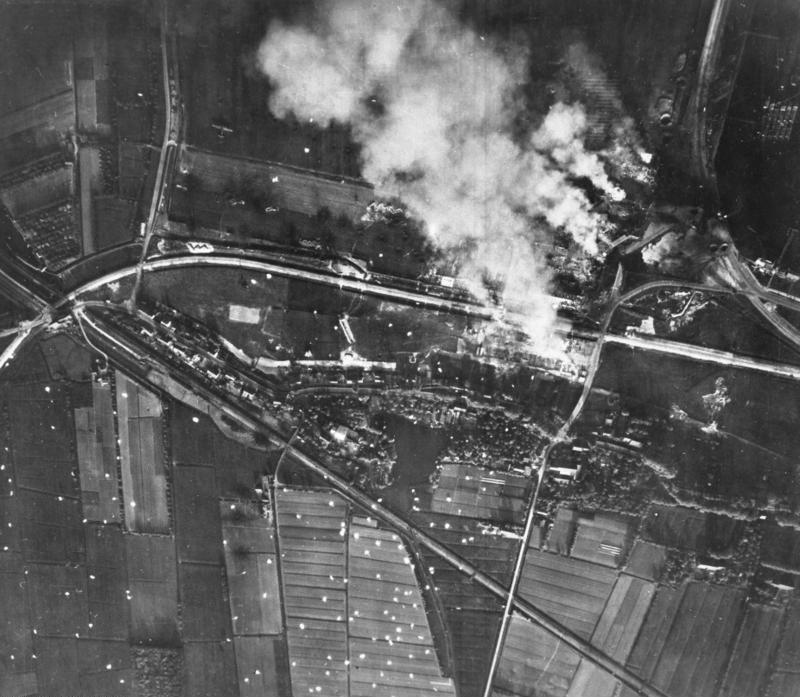
On May 14, 1940, Rotterdam changed forever. In less than fifteen minutes, a German bombing raid destroyed the historic city center. Homes, churches, and shops were reduced to rubble. Around 900 people were killed, and about 80,000 residents lost their homes. The devastation led to the Netherlands’ surrender the next day.
During the occupation, Rotterdam became a strategic hub for the German war industry. The port—already one of the world’s largest—operated at full capacity. Shipyards were used to repair and build warships, and goods and materials flowed to Germany via the docks. This made the city a key target for sabotage and resistance.
Daily life felt like constant pressure. Food and fuel were scarce and strictly rationed. Many people had to work in sectors supporting the occupiers. Still, resistance grew. Secret pamphlets were distributed, and railway lines were sabotaged—especially around the port.
A low point came in November 1944 with a mass raid. In just two days, over 50,000 men between the ages of 17 and 40 were rounded up and deported to Germany for forced labor. The city was sealed off completely; escape was impossible.
When liberation came on May 5, 1945, Rotterdam was badly damaged. Yet a new energy emerged. Rather than rebuild the past, the city chose to forge a new future. Rotterdam became a symbol of post-war reconstruction—modern, forward-looking, and resilient.
Any feedback for this story?