Schielandshuis
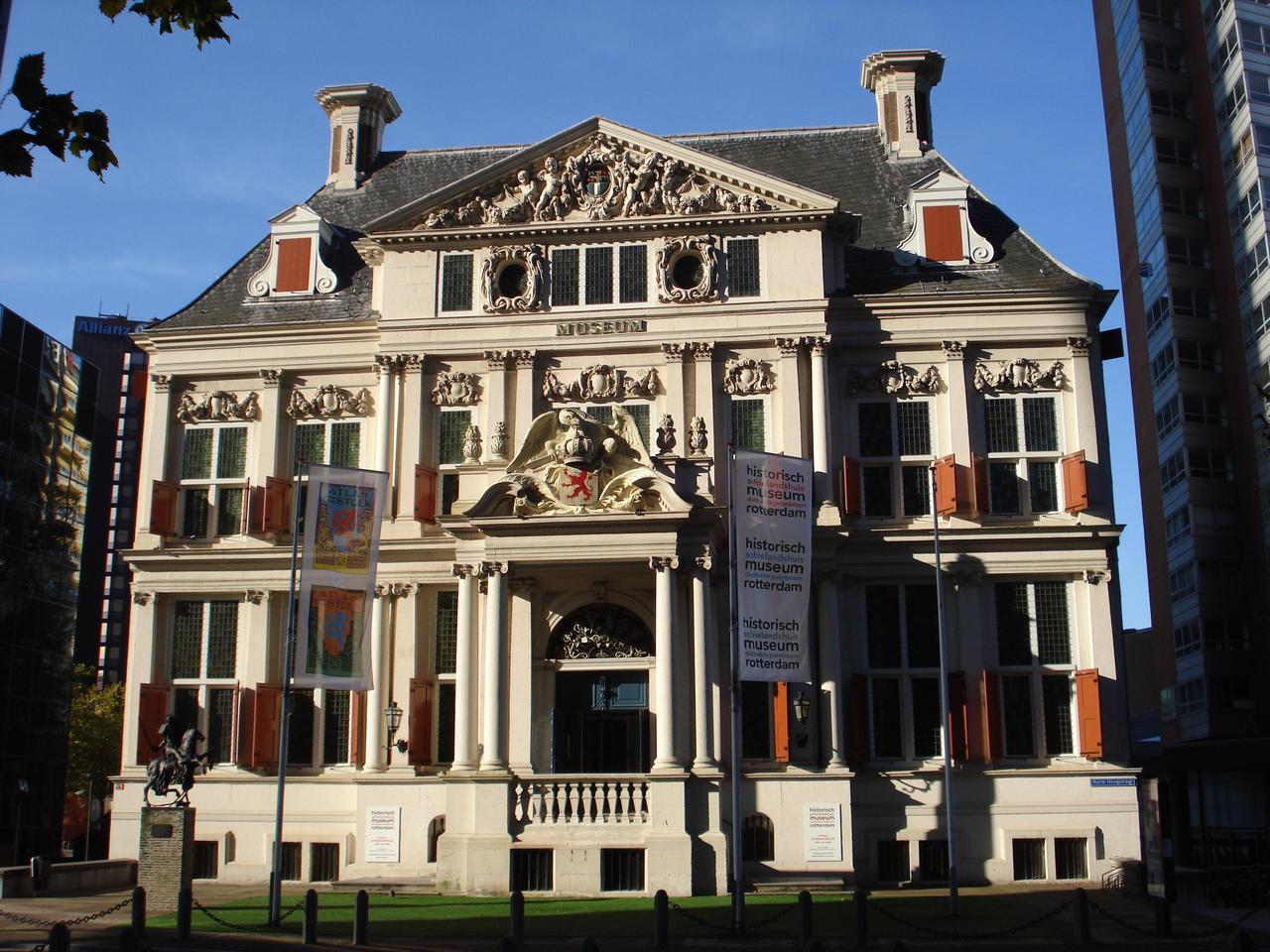
In front of you stands the Schielandshuis, one of Rotterdam’s few surviving 17th-century buildings. Once surrounded by narrow streets and canals, it's now overshadowed by modern high-rises.
Built in 1665 as the headquarters of the Schieland Water Board, it was designed by renowned architect Pieter Post at the request of dike-reeve Daniël van Hogendorp.
The ornate facade features cherubs and the coat of arms of Holland, and above the entrance is a wrought iron fanlight adorned with gold leaf. Inside, the courtroom served as the building’s core, where crucial water management decisions were made. There were also dining rooms, storerooms, and guest rooms.
Over the years, the Schielandshuis had many roles. In 1773, it hosted theater performances. In 1811, Napoleon visited. By 1840, it became the first home of the Boymans Museum. A fire in 1864 caused major damage, and during restoration the exterior was covered in cement, masking its original look.In the 1920s, demolition was considered but avoided.
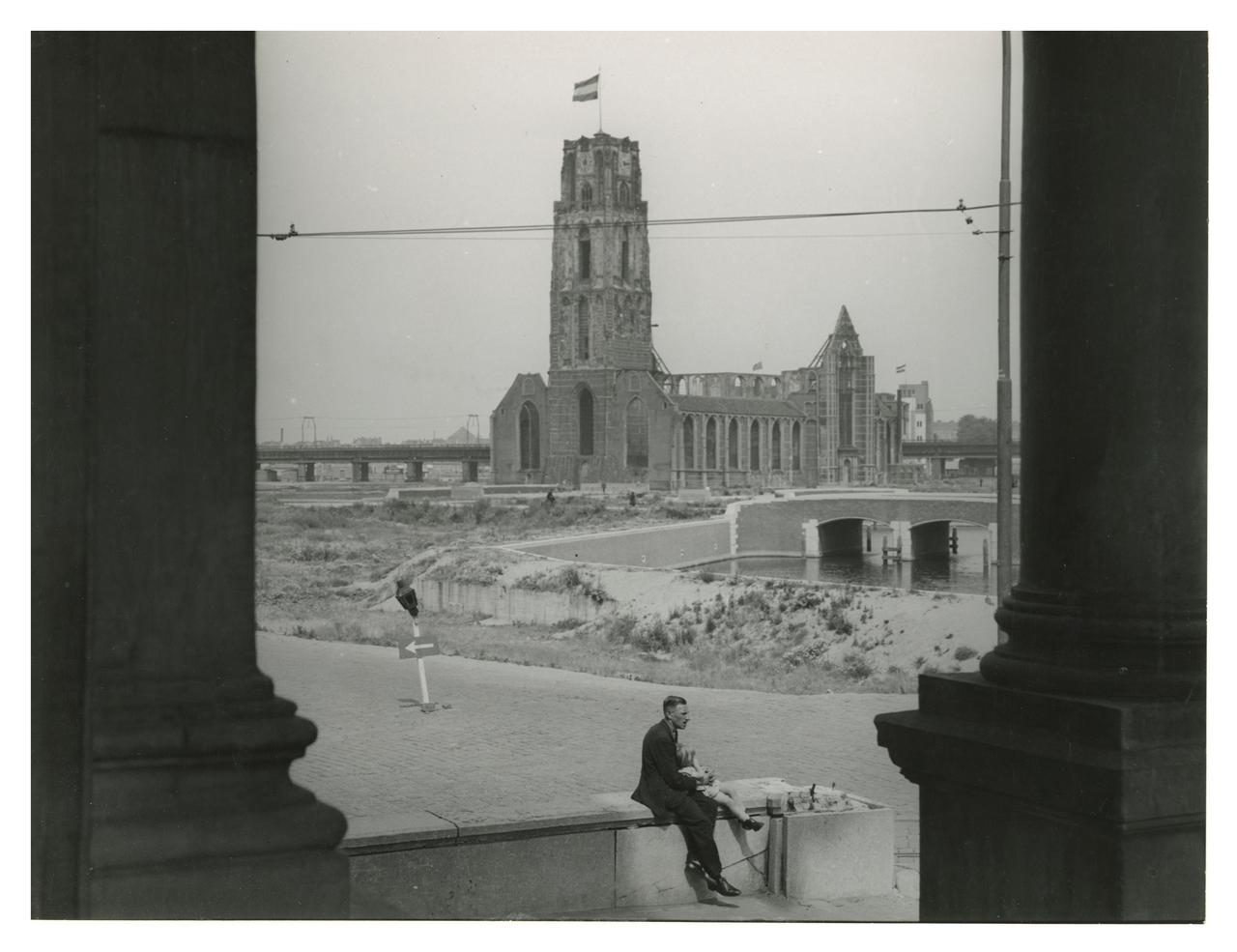
The building survived the May 14, 1940 bombing that devastated much of the city. During its restoration in the 1980s, original drawings were used. Since 1986, the Schielandshuis has stood proudly on Korte Hoogstraat—one of the last visible links to pre-war Rotterdam.
Any feedback for this story?