The Binnenhof
The cobblestones beneath your feet have absorbed centuries of political drama, but few periods were as turbulent as the late 18th century, when the Dutch Republic came dangerously close to tearing itself apart.
It started with a pamphlet. In 1781, a nobleman named Joan Derk van der Capellen tot den Pol published a fiery call to arms, urging citizens to fight for their freedom against the ruling regents and Stadtholder William V. Within two years, armed civic militias were springing up across Holland, calling themselves groups like "De Vrijheid," meaning Freedom. By 1785, the Patriots had grown bold enough to strip William of his military command right here in The Hague. They even banned the colour orange from public life.
Then came the incident that changed everything. William's wife Wilhelmina tried to travel to The Hague in 1787 and was stopped and turned back on the road. Her brother, the King of Prussia, considered this a personal insult and sent his army in. The Patriots fled to France, and William returned.
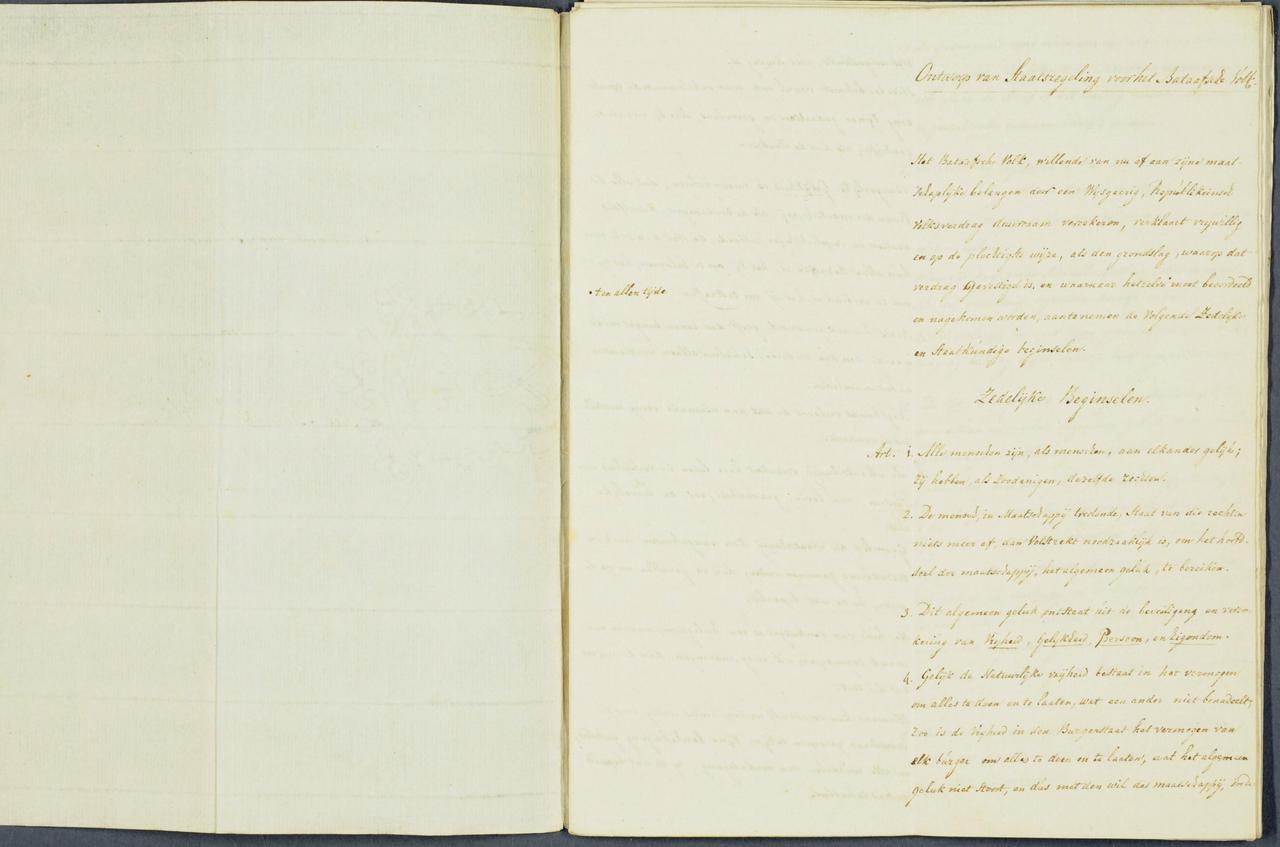
But exile has a way of turning into victory. In 1795, French-backed revolutionaries chased William out for good. He escaped through Scheveningen beach in the middle of winter, wearing, presumably, something other than orange.
Any feedback for this story?