The Rules of Rusthof
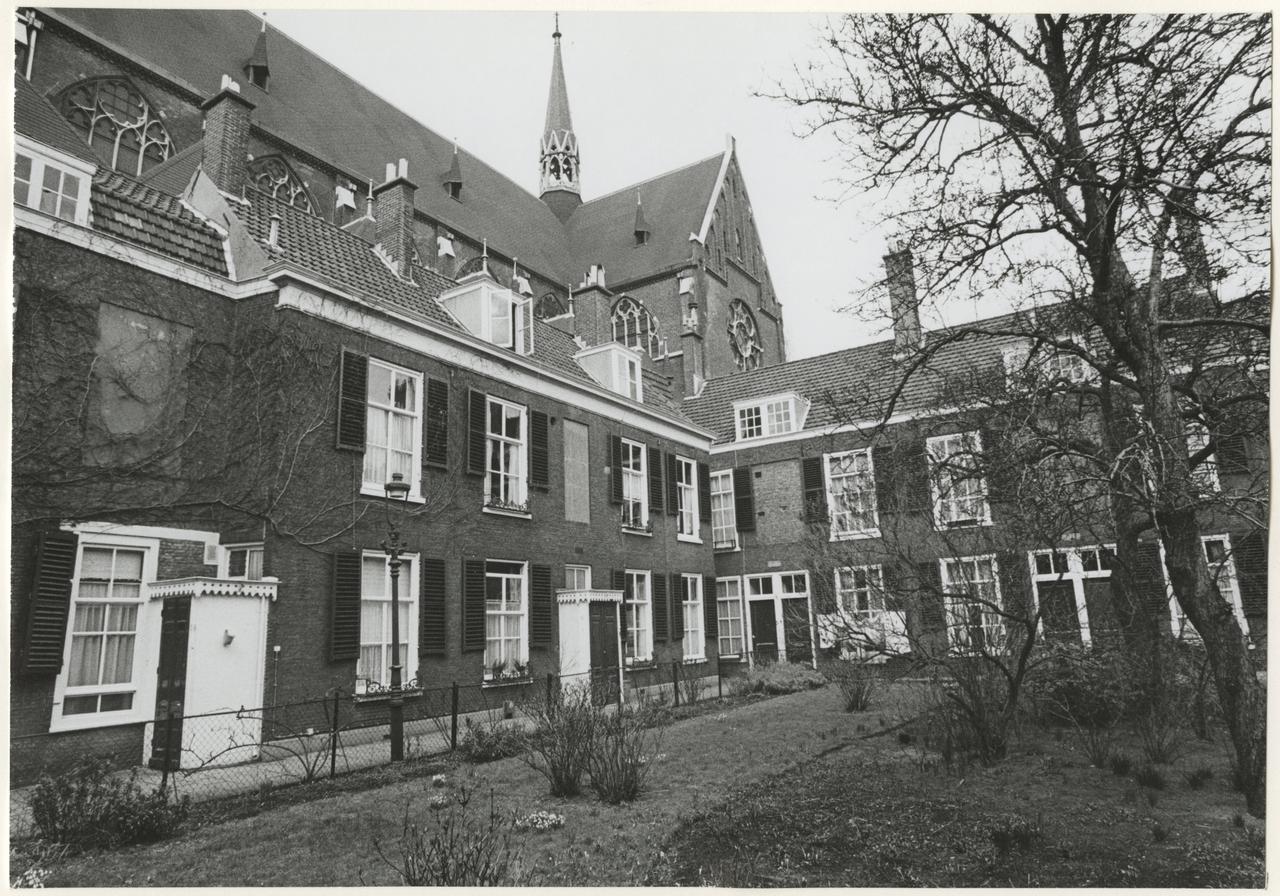
Behind a plain door on the Parkstraat lies a courtyard of small houses around a garden. There is no grand gate, which suited the intention.
Elisabeth Groen van Prinsterer-van der Hoop, known as Betsy, bought a garden here in 1841, planted with fine fruit trees and holding two houses, paid for out of her father-in-law's estate. The street was still called the Nachtegaallaantje, nightingale lane, at the time.
The rules decided who could live here: women over fifty-five, of Protestant Christian conviction, who would serve one another in love and avoid anything that might burden the others. In practice they were widows and former domestic servants left without income or shelter once their working lives ended.
It was not free. The women paid one guilder a week in rent and received meat and fuel every week in return, with extras around Christmas, Easter and Whitsun. At Easter of 1893 that meant a kilo of rice, a currant cake, four eggs and a double portion of meat.
The courtyard grew house by house, each one built on a birthday of Mr or Mrs Groen. And the rules still stand: single women of fifty-five and over live here, although faith is no longer a requirement.
Any feedback for this story?