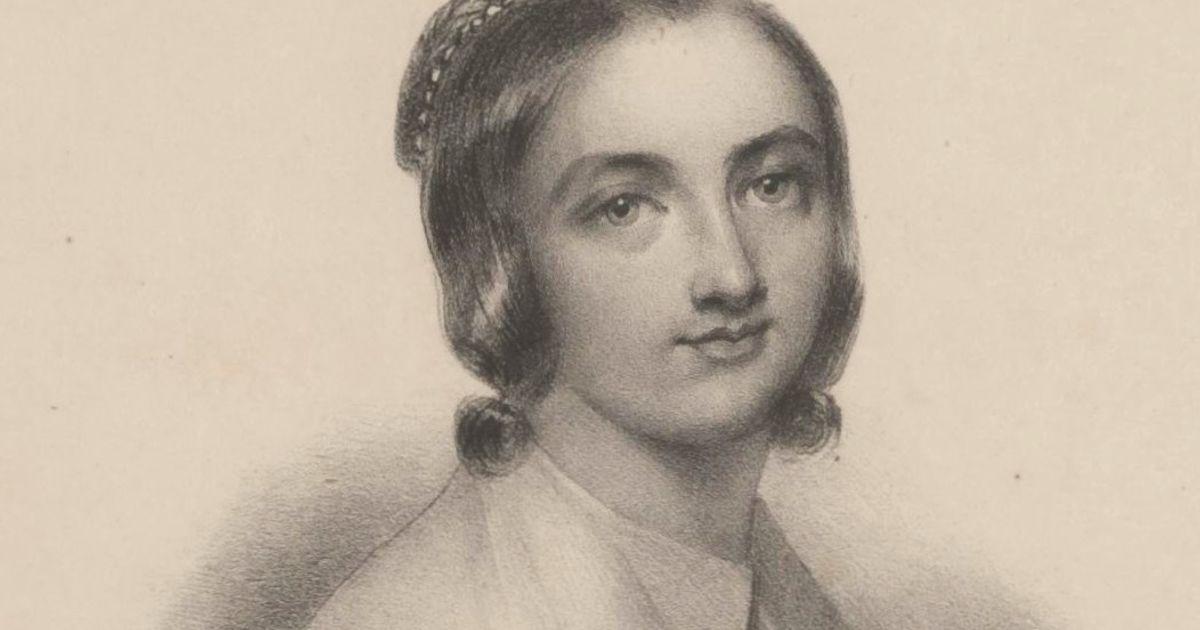
Anna Maria Schurman
Anna Maria van Schurman, born in Cologne on November 5th, 1607, was a prodigy from a young age. Hailing from a wealthy family, she displayed remarkable aptitude in various disciplines. By the age of four, she could read; at six, she mastered intricate paper cut-outs, and by ten, she had excelled in embroidery, learning it in just three hours. Her early writings reflect a self-driven quest for knowledge, as she often stated, “I had to discover many things which nobody was able to teach me.”
In a move uncharacteristic of the time, her father, recognizing her extraordinary talents, decided to educate her in classical subjects alongside her brothers. This was a rare privilege for a noble lady during that era. Her education was not limited to academic pursuits; she also learned painting, paper-cutting, wood carving, and calligraphy.
Anna's learning was largely through private education and self-study, but she also maintained correspondence with prominent intellectuals, including Gisbertus Voetius, a professor at the University of Utrecht and their neighbor.
The early years of Anna's life were marked by frequent relocations due to religious persecution after the Reformation, as her family was Protestant. Following her father's death in 1626, the family resettled in Utrecht, where her education continued to flourish.
In her twenties, Anna's home became a hub for intellectuals, attracting visitors like Jacob de Witt. She was not only an avid learner but also an artist who confidently acknowledged her gifts, once declaring herself “immensely gifted by God in the arts.”
In 1636, Anna Maria van Schurman achieved a significant milestone by becoming the first female student to enroll at the University of Utrecht, and indeed at any university in the Netherlands. Her journey exemplifies not just her exceptional intellect and artistic prowess, but also her role as a trailblazer for women in academia.
Any feedback for this story?