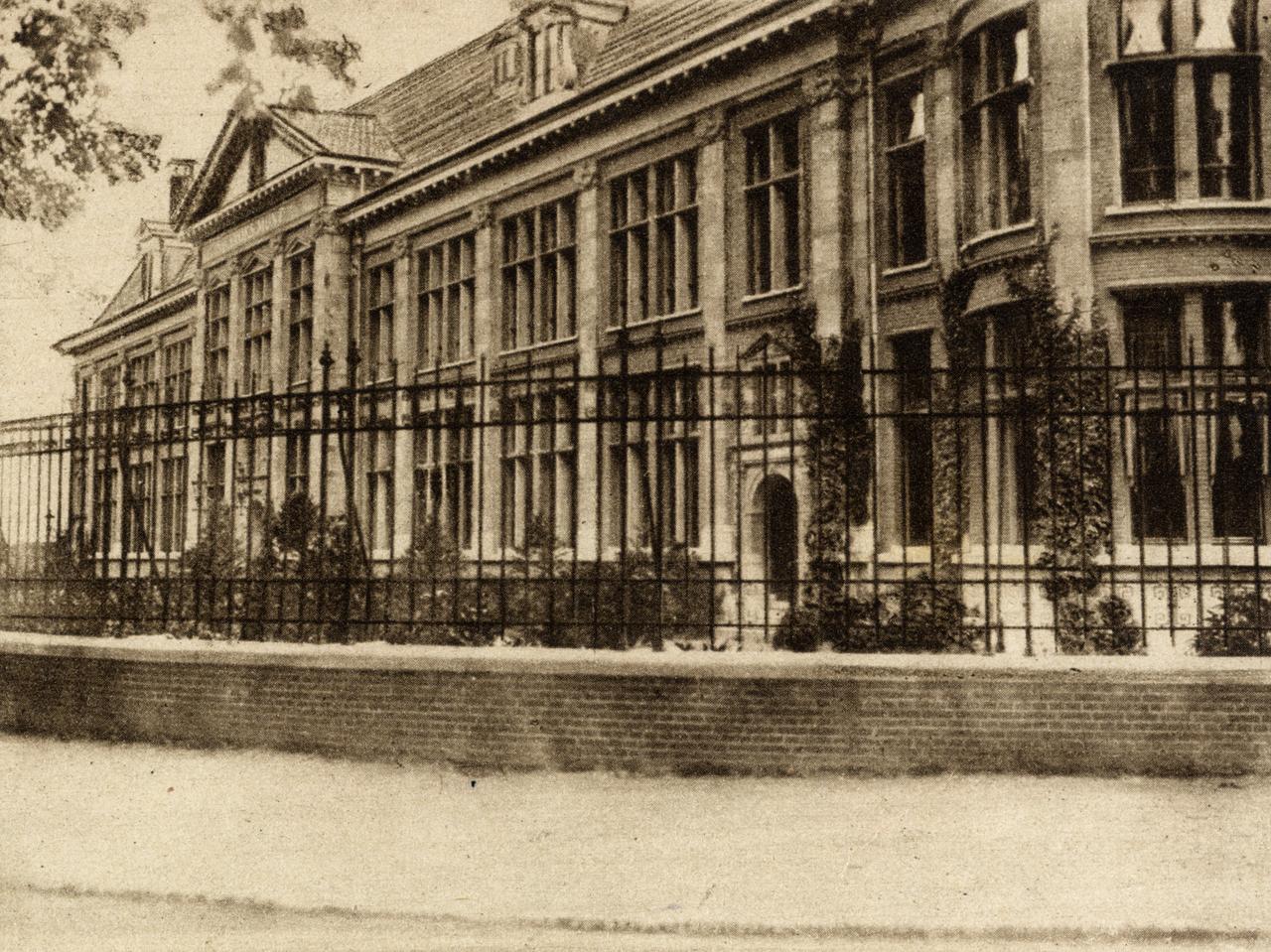
De Munt
Since 1547, the Royal Dutch Mint (KNM) has been responsible for producing all Dutch coinage. But the history of the Utrecht mint goes back much further. As early as 953, the bishops of Utrecht were granted minting rights, a sign of great power usually reserved for kings and emperors.
Before the Mint Building, as we know it today, was inaugurated, Utrecht's coins were minted at various locations. This was often done in small locations, as minting was done by hand for a long time. From 1647 to 1910, the mint was located in the St Cecilia Monastery on Oudegracht. The transition to a national mint in 1806 also brought a shift from manual labour to automated machines.
When expansion at the St Cecilia Monastery proved impossible, the Mint House moved to an old sugar factory on Leidseweg, with a good transit route towards Amsterdam. In 1908, the then finance minister approved this move. The current Muntgebouw, which looks something like a foreign embassy because of its high security, was for a long time the centre of coin production.
However, since 2020, Dutch coins are no longer minted in this building, but in Houten. Interestingly, the Royal Dutch Mint is among the top five producers of circular coins worldwide. This is remarkable, given that cash in the Netherlands is increasingly fading into the background.
Any feedback for this story?