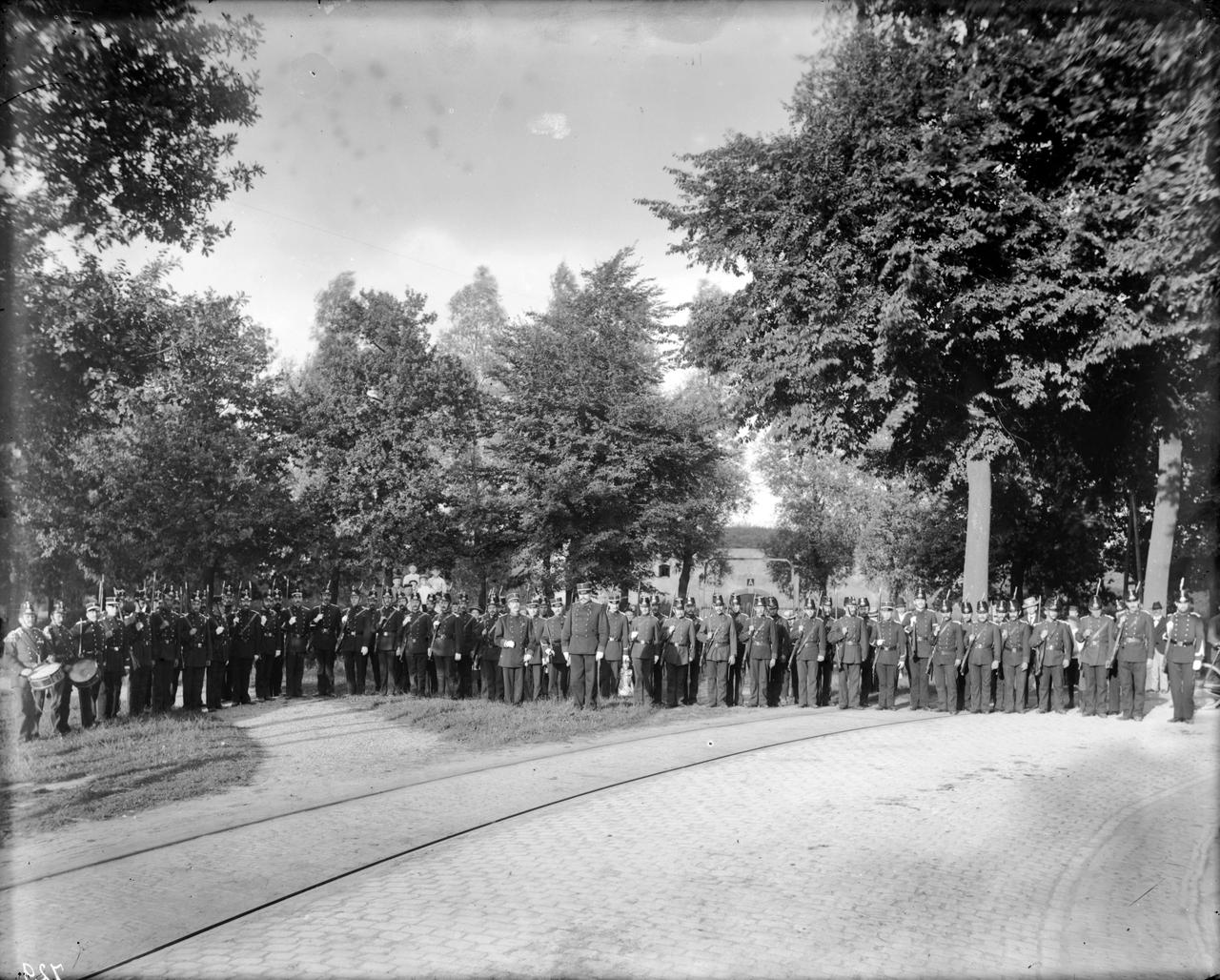
Fort de Bilt
Fort De Bilt, located on Biltsestraatweg 160 in Utrecht, is part of the rich history of the Netherlands as one of the defences of the Nieuwe Hollandse Waterlinie. Built between 1816 and 1818 and officially known as 'Het Fort op de Biltstraat', the fort underwent extensions between 1875 and 1877, including the construction of a bombproof barracks.
The widening of Biltsestraatweg in 1930 led to the fort being split into two parts: the southern part remained the property of the Ministry of Defence, while the northern part came into the hands of the municipality of Utrecht.
A special moment in the fort's history was during mobilisation in 1939, prior to World War II, when soldiers planted a Wilhelmina tree there. This tree was christened in a unique way, not with champagne - which was not available at the time - but with chocolate milk from the canteen.
During World War II, Fort De Bilt was assigned a tragic role as the execution site of one hundred and forty men, mostly resistance fighters, by the occupying forces. In memory of this dark period, several memorials, including a monument, a belfry, the so-called death bunker and nameplates, stand on the grounds.
After the war, the fort was used for some time as a prison camp for NSB members and collaborators. This history, combined with its function within the New Dutch Waterline, makes Fort De Bilt an important historical monument that tells stories of courage, tragedy and the consequences of war, as well as of the strategic defence of the Netherlands.
Any feedback for this story?