Paushuize
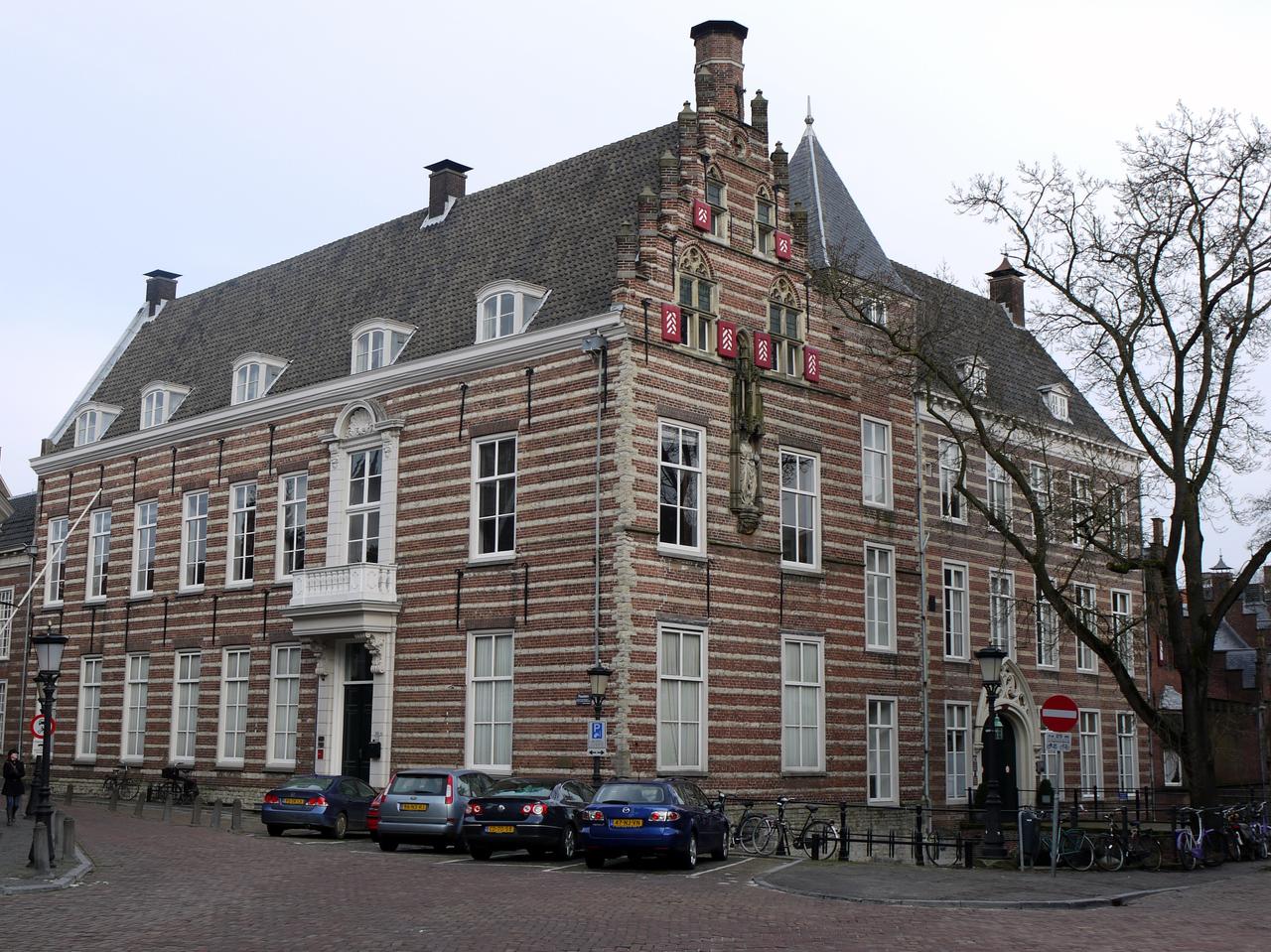
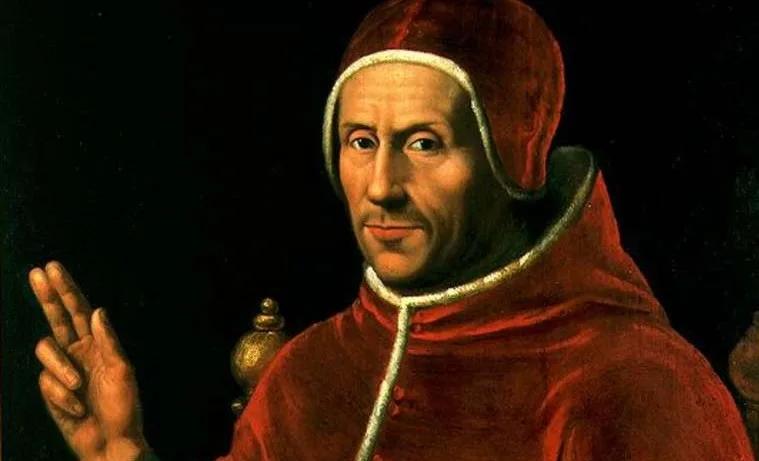
Adrian of Utrecht bought this house in 1517 from Spain, while serving as regent to Emperor Charles V, and he was genuinely delighted with it. He wrote: "The Lord gave me that house, which was dearer to me than all other houses in Utrecht." His plan was simple and modest: retire here as a provost near the Dom, live out his days in peace. He never saw it.
On January 9, 1522, during the eleventh round of a papal conclave, the cardinals elected him pope. The news reached him weeks later in the Basque city of Vitoria. His first reaction: "If this news is true, have mercy on me." Rome received him as a northern barbarian, a timmerman's son from Utrecht who had beaten every Italian candidate. He arrived at the port of Ostia on a donkey while cardinals scrambled behind him, refused the banquet, and tried to reform the bankrupt Vatican. In 1522 he publicly confessed the Church's sins at the Diet of Nuremberg. Catholics called it betrayal. Lutherans called it confirmation. He died exhausted after just 20 months.
After Adrian, the house drew an unlikely crowd: Louis Napoleon lived here four months while his palace was being renovated, Pope John Paul II visited in 1985, and in 2006 Prince Bernard of Vollenhoven married Annette Sekrève in the Mirror Hall. When Pope Francis took office in 2013, he reportedly considered calling himself Adrian VII, because, he said, Adrian VI was a reformer. He settled for Francis, which is probably easier to pronounce at weddings.
Any feedback for this story?