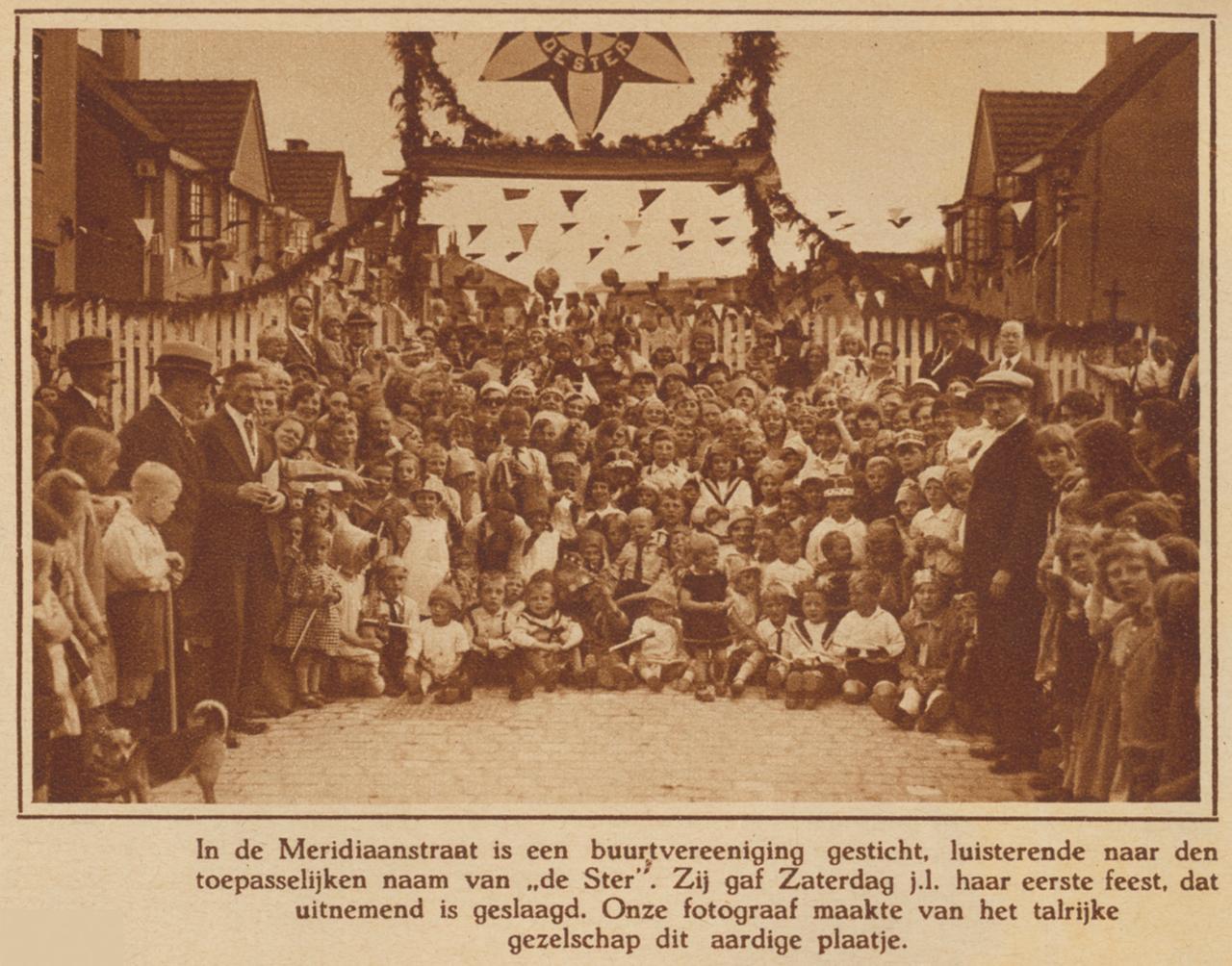
Sterrenwijk
Sterrenwijk, one of Utrecht's classic working-class neighbourhoods, oozes history and community spirit. Once set up for better-off workers, this neighbourhood represents the traditional working-class population of the Netherlands, consisting of day labourers and craftsmen. Similar to neighbourhoods such as Wijk C in Utrecht and the Jordaan in Amsterdam, Sterrenwijk still retains the charm of yesteryear, despite modern refurbishments over the years.
In the 19th century, as the industrial revolution drew workers from the countryside to the city, densely populated working-class neighbourhoods sprang up. Cottage owners built small, often poorly constructed houses without basic amenities such as a bathroom or kitchen. These cottages, typically with one window and one door, or sometimes two windows, were small and hardly provided living space for large families. Living conditions were far from ideal, with families living in one or two rooms and having to share beds.
However, the liveliness and strong sense of community of Sterrenwijk are best highlighted during national football events. When the Dutch team plays, the neighbourhood turns into an orange sea of flags and decorations. Residents gather to watch the matches together, often outside, highlighting the unique atmosphere and connectedness of the neighbourhood. These moments of coming together and sharing national pride show how the charm and soul of Sterrenwijk live on, even in the context of a modern city.
Any feedback for this story?