The Cereol Factory
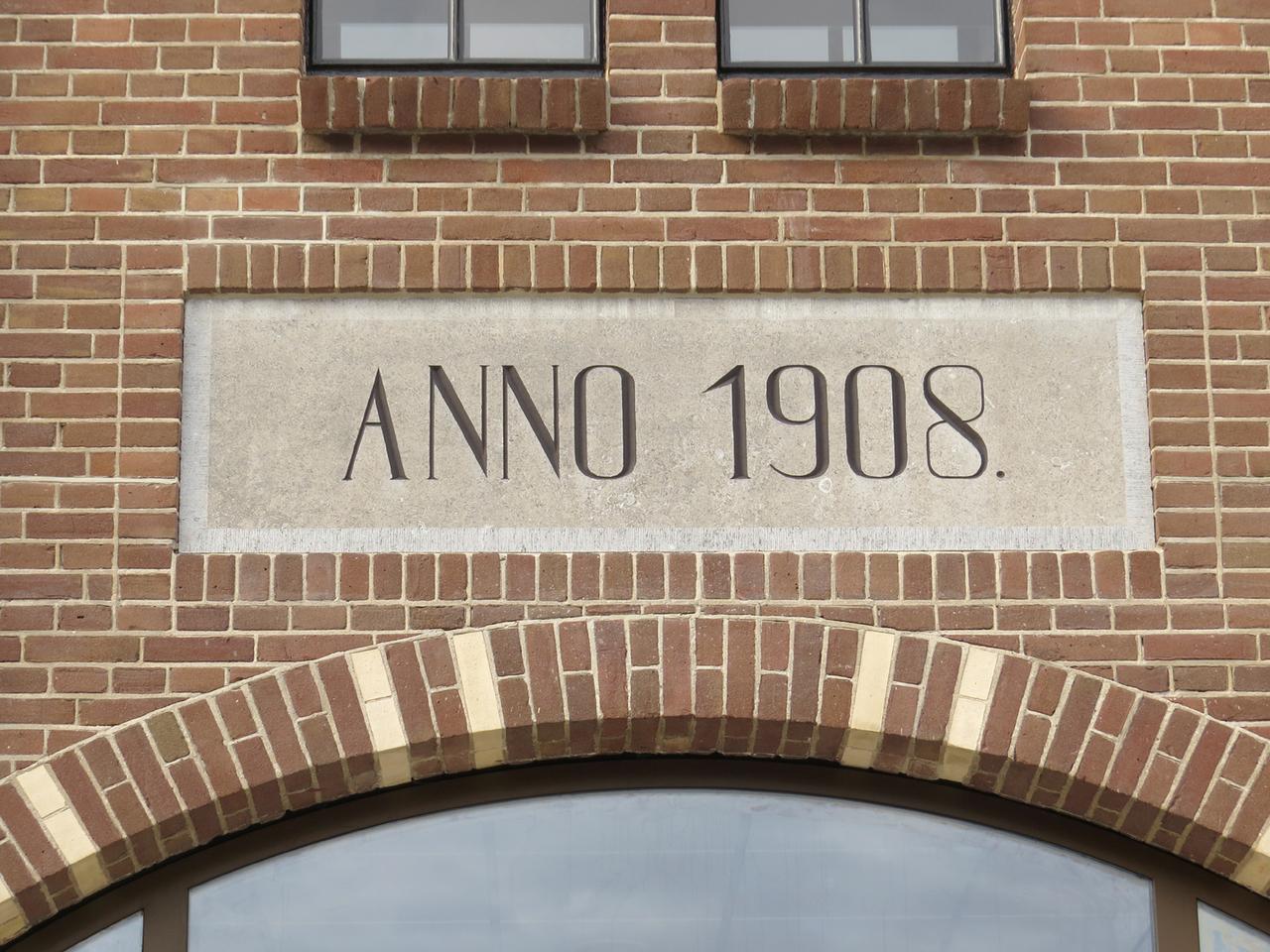
The Cereolfabriek, also known as the Cooperative Stichtsche Oil and Lijnkokenfabriek, is a notable landmark in Utrecht with a rich industrial history. Operational from 1908, it was originally designed by the local architect G. Ebbers, who infused the utilitarian structure with what he termed 'chateau industrial architecture'. This facility began by extracting oil from linseed and producing cattle cakes for livestock feed.
However, after facing bankruptcy in 1973, the factory's direction shifted when it was acquired by Central Soya, a foreign company that converted it into a soy processing plant. This change was not well-received by the local community, which raised concerns about increased odour levels, dust, noise pollution, and the risk of explosions, unsettling the nearby residents.
The continued grievances prompted the Utrecht municipality to purchase the factory in 2001, taking into account the citizen's concerns. Around this time, the factory and several other buildings on the site were designated as Dutch national monuments. Nevertheless, the majority of the property was demolished to make room for housing and other developments.
During its demolition and the subsequent renovation phase, a severe fire broke out, devastating the factory's interior and significantly delaying the restoration process. Despite these setbacks, the renovation was completed in 2014, repurposing the factory into a multi-functional complex. This renovated space now boasts a primary school, a gymnasium, office spaces, after-school care, a restaurant, and a theatre. The Cereolfabriek stands today not only as a testament to adaptive reuse but also as a vibrant community hub, offering a plethora of services and activities within its historic walls.
Any feedback for this story?