The disaster years for Utrecht (1672 and 1674)
"In 1672 and 1674, two great tragedies were experienced in Utrecht, leaving its inhabitants destitute and disillusioned. The first disaster was human in nature. On June 23, 1672, a French army unit commanded by Colonel De Rochefort appeared before the Wittevrouwenpoort. This happened after England had declared war on the Republic and France and Münster and Cologne followed shortly thereafter. Unable to repel the attack, the State army retreated behind the Dutch Waterline, leaving Utrecht unprotected. On that June 23rd of that year, the city council handed over the city keys to the French. The occupation brought Utrecht to the brink of financial ruin, as the French demanded huge sums of money and an army of about 8,000 men was quartered there. Although the French promised that the Reformed religion would remain as it was, the Dom Church was used for Catholic worship on July 9. This caused a stir and the pulpit was even broken out and flogged.
The occupation ended unexpectedly quickly, especially since Michiel de Ruyter had the upper hand at sea against the English and French fleets. When the French left Utrecht on Nov. 23, 1673, they demanded another 450,000 guilders. Although only 250,000 guilders was available, fourteen hostages were taken to enforce the remaining two tons. As soon as the French left, the people of Utrecht celebrated. The Dom Church became Protestant again and all the statues and altars were burned. But the celebration did not last long, because when the soldiers of the State army arrived, the Utrechters were accused of treason. According to them, they had surrendered too easily in June 1672. The city was placed under military rule and it would be months before it was allowed to participate again in the governance of the Republic.
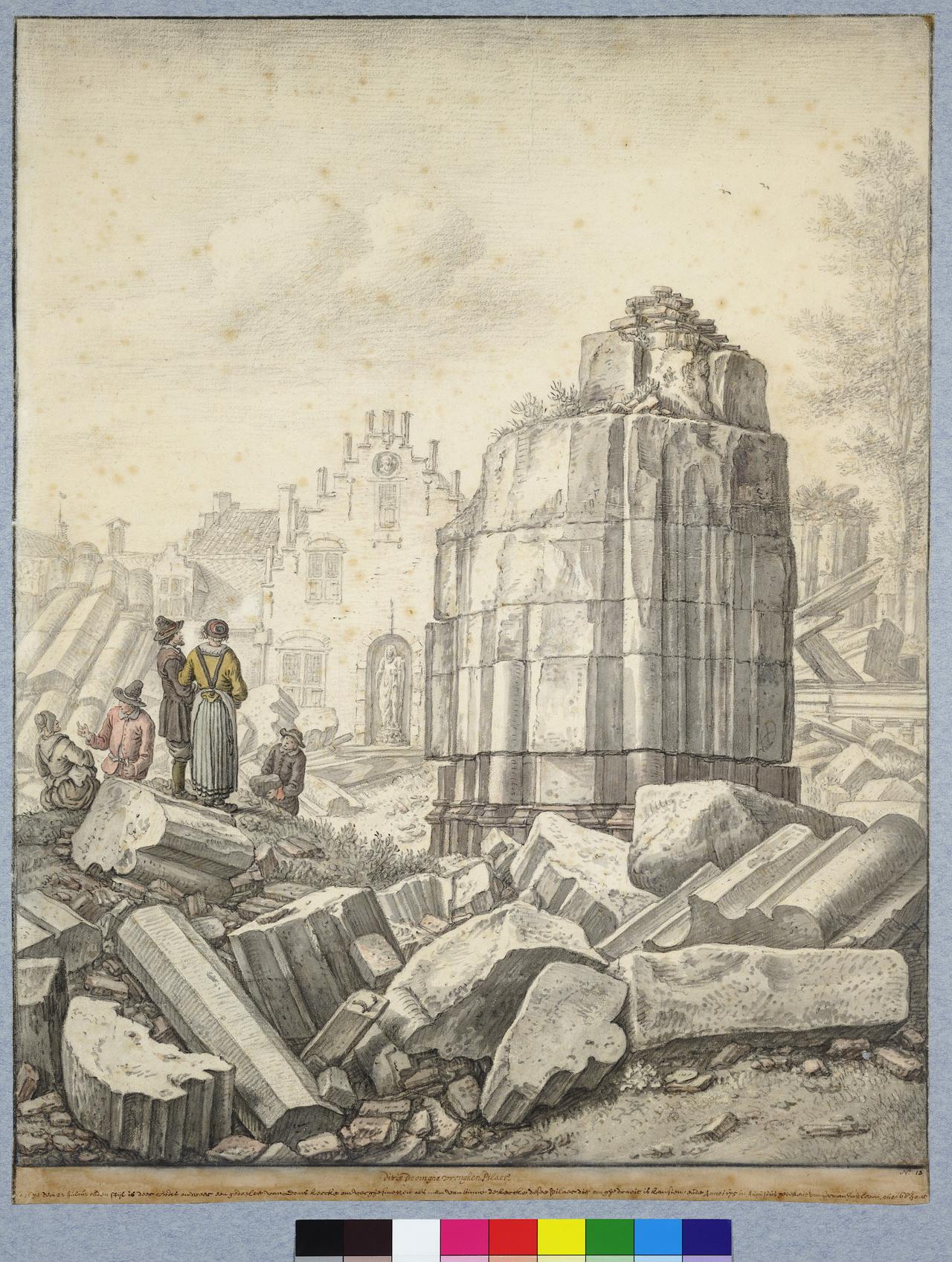
The second disaster was natural. On the evening of Aug. 1, 1674, a tornado swept through the city, turning it into an incredible mess in just 15 minutes. Roofs were torn off, spires snapped like matchsticks, facades were thrown down and trees were torn out root and branch. The nave of the Cathedral, the church of the German House, the hood of the Buurkerk and the spires of the Pieterskerk and Jacob Tower were all destroyed. Weeks later, the streets were still full of rubble. Because of the enormous payments to the French, there was very little money available to repair the damage. The city was therefore slow to recover."
Any feedback for this story?