The Nieuwegracht
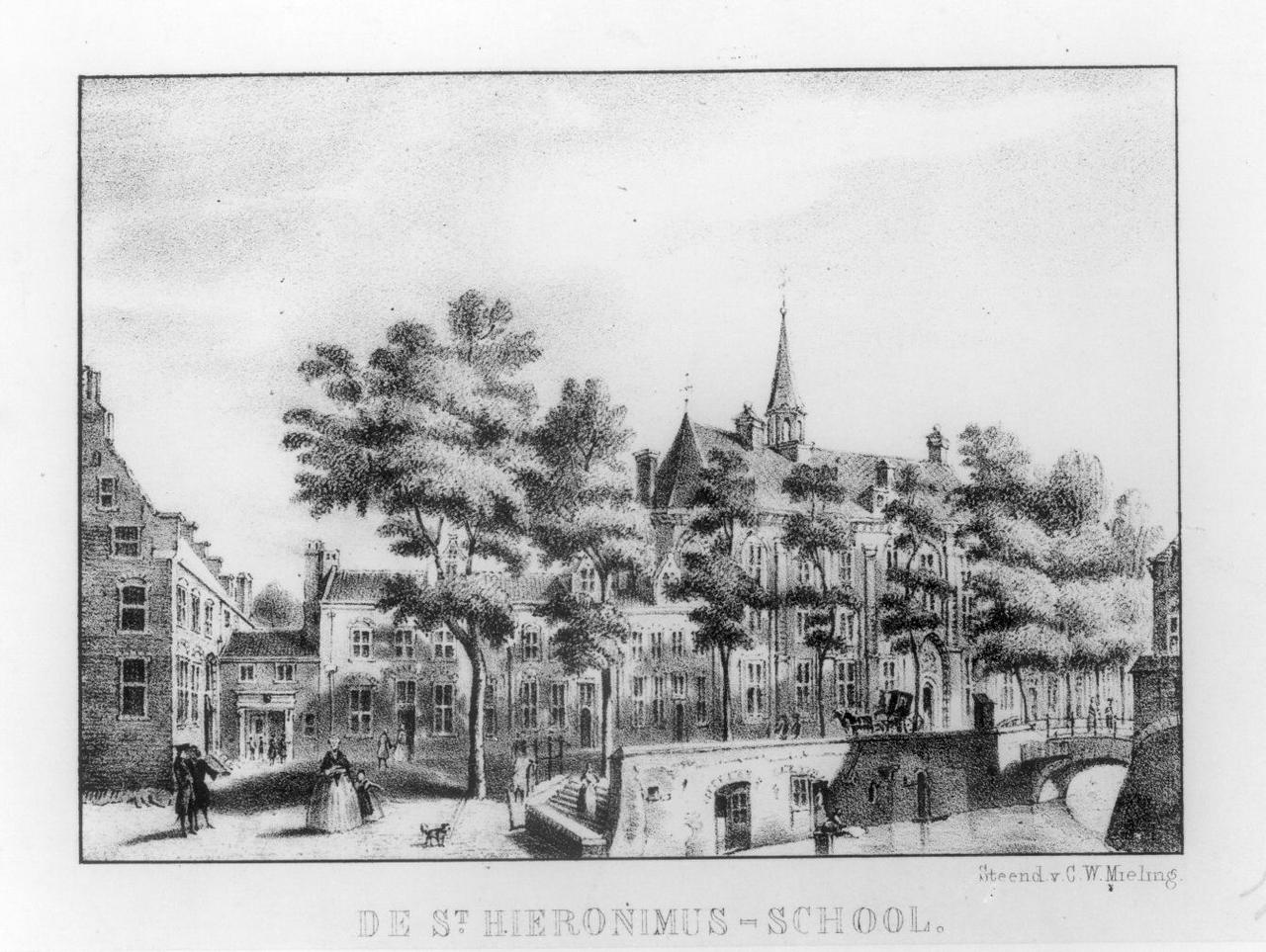
The Nieuwegracht, constructed between 1390 and 1393, tells the story of a developing city. This canal, created after the construction of Oudegracht, was part of the city's expansion and is surrounded by historic buildings, each of which has its own story.
One such building is the former Orange Society "Sic Semper" on the corner of Trans and Nieuwegracht, a place with a rich history. Not far away is the Pope's House, a building with its own unique story that is part of Utrecht's past.
The canal also has a long history when it comes to healthcare. For instance, the Catharijnegasthuis, which cared for the sick, was located on this canal for almost three centuries from around 1529. Later, until 1999, the Wilhelmina Children's Hospital offered its services here. In addition, a Jewish orphanage and several almshouses also found their place along the canal.
During the Second World War, a building on the Nieuwegracht, number 151, served as headquarters for the resistance group Oranje Vrijbuiters. Led by Klaas Postma, the group helped people go into hiding to survive the war.
Another special detail is that German-Dutch Wilhelm Röntgen lived on the corner of Nieuwegracht and Schalkwijkstraat. He gained world fame with the discovery of a type of radiation that passes effortlessly through soft materials, also known as X-rays. So if you are ever in hospital to get X-rayed, think of the Nieuwegracht for a moment!
Any feedback for this story?