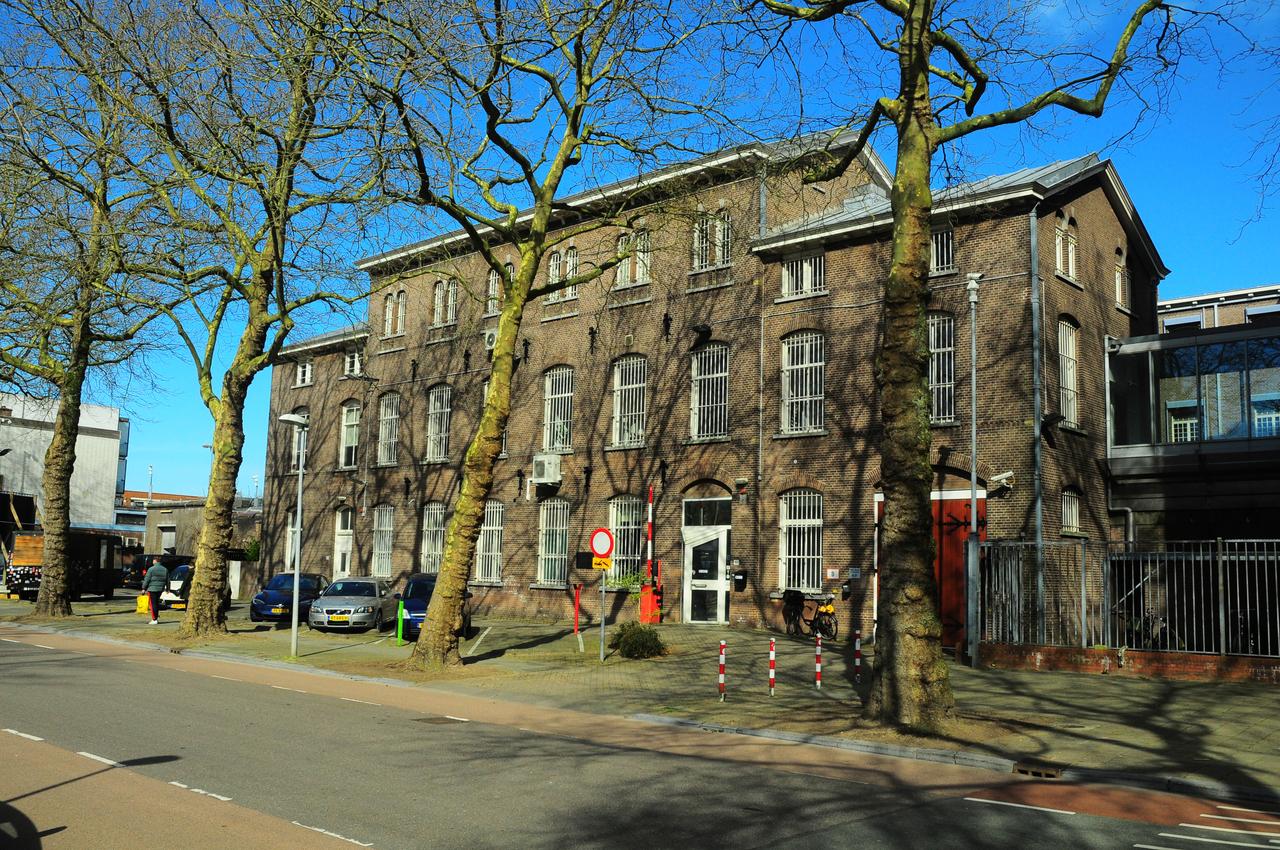
The Old Pieter Baan Center
The Pieter Baan Centre in Utrecht, with a history dating back to the nineteenth century, has undergone a remarkable transformation over the years. Originally, the building on Gansstraat served as a prison. During World War II, the German occupiers annexed it as the Kriegswehrmachtsgefängnis, the only one of its kind in the Netherlands. It housed people who had to appear before the German military court or face punishment by the court martial, with surveillance by German soldiers.
After the war, in 1949, the building was transformed into the Psychiatric Observation Clinic (POK), the forerunner of the later Pieter Baan Centre. Named after the Dutch psychiatrist Pieter Baan, the centre developed into a leading centre of expertise in forensic psychiatry. It was not until the 1980s that the clinic was renamed the Pieter Baan Centre. In 2018, the centre moved to Almere, but the historic building in Utrecht remains an integral part of its story.
One of the Pieter Baan Centre's most notable involvements was in the case of the Hofstad Group, a Dutch Islamist extremist group active in the early 2000s. This group, responsible for several violent attacks, including the 2004 murder of filmmaker Theo van Gogh, saw several of its members evaluated at the centre. The assessments by the Pieter Baan Centre played a crucial role in the trial and eventual conviction of the group's leader, Mohammed B.
This history of the Pieter Baan Centre illustrates the evolution of forensic psychiatry in the Netherlands and the importance of specialised institutions in assessing and treating individuals with mental health problems within the criminal justice system.
Any feedback for this story?