The origins of the city
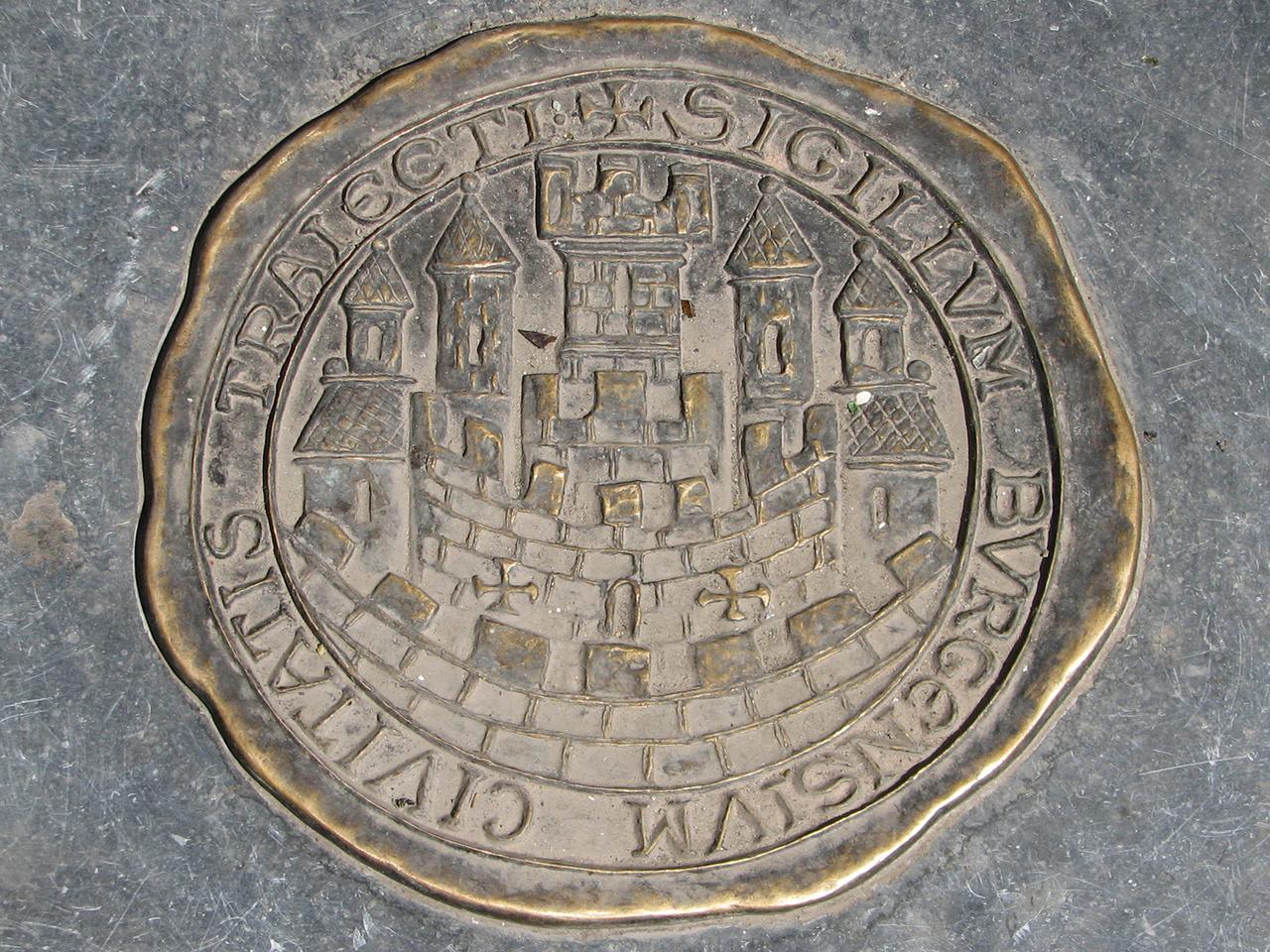
Utrecht, centrally located in the Netherlands, has a history dating back to the time of the Roman Empire. In 47 AD, the Romans established a military fort at the site of present-day Utrecht, called Traiectum. This fort was a strategic part of Roman expansion plans in northern Europe. It was located at a crossroads of important trade routes, making Utrecht an essential centre for trade and transport.
After the fall of the Roman Empire, Utrecht came under Germanic control. Despite this power shift, the city remained an important trade hub. In the 8th century, Utrecht was enriched with a new dimension when Willibrord, an Anglo-Saxon missionary, established a bishopric there. This made Utrecht a centre of religion and culture.
During the Middle Ages, Utrecht developed into one of the most powerful cities in the Netherlands. The city played a crucial role in trade, religion and culture. With the advent of the Industrial Revolution in the 19th century, Utrecht underwent significant growth and became an important industrial centre.
In contemporary times, Utrecht retains its status as an important city in the Netherlands. It is a centre for education, culture and economy. Utrecht's historical significance as a crossroads, a trading centre and a religious and cultural hub has a lasting impact on its development and character. Utrecht remains a place where history and contemporary dynamics merge seamlessly, as evidenced by its many historic buildings and cultural events.
Any feedback for this story?