The Wharf Cellars of Utrecht
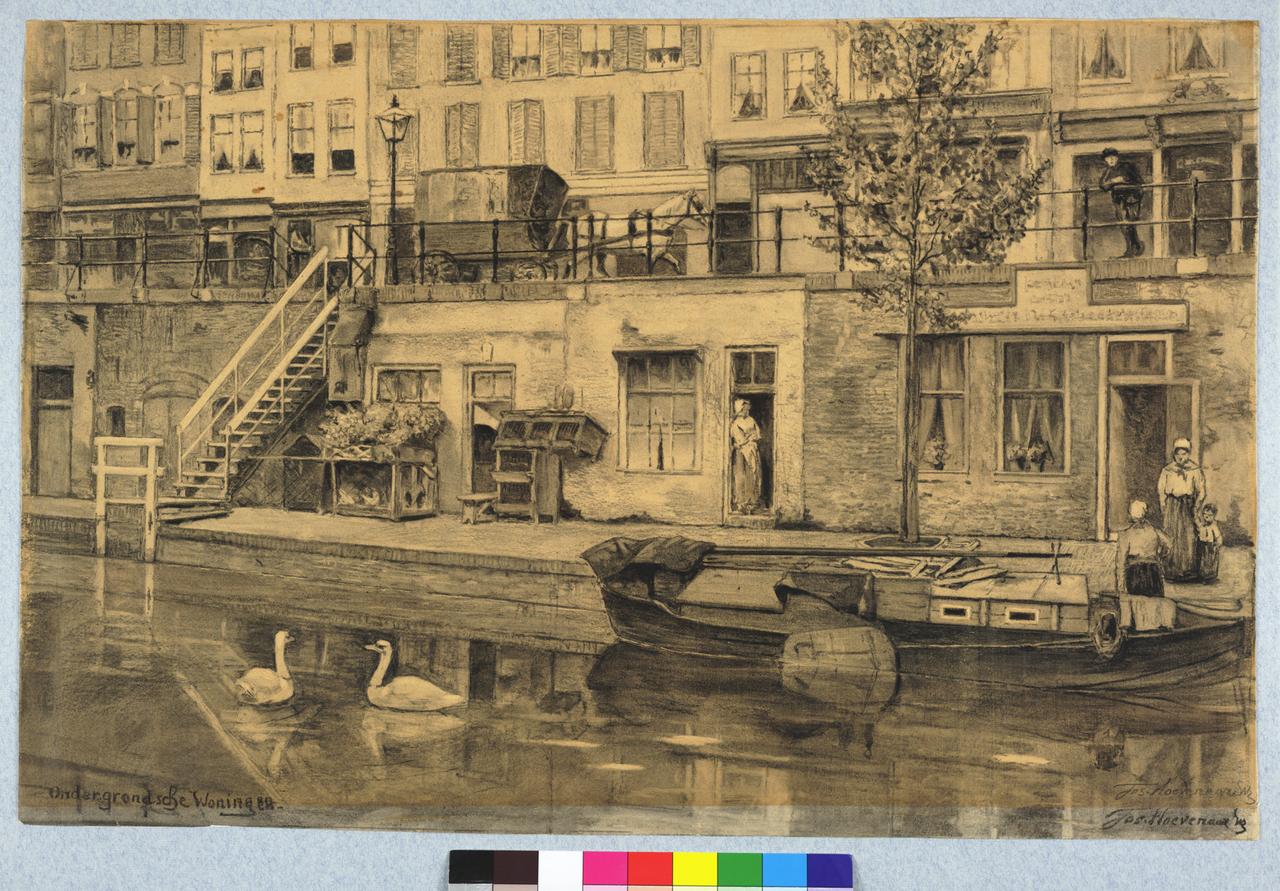
Utrecht merchants were not particularly brilliant engineers. They were just scared of floods. When they dug the canals, they piled all that excavated soil onto the riverbanks, lifting the street level four to five metres above the water. That gap between street and canal became an opportunity, and clever traders did not waste it. They dug tunnels from their cellar floors straight to the water's edge, so goods could roll directly from boat to storage without anyone hauling crates up a steep quay.
Those tunnels grew wider, got proper walls and arched windows, and over a few centuries of private initiative, Utrecht ended up with nearly two kilometres of underground harbour running beneath the city. There are 732 of these wharf cellars today, and no two are the same, because every single one was built at a different time by a different owner with different ideas.
Medieval wine merchants stored barrels here. Beer brewers moved in later. Mushroom growers. In the 1800s, poor families lived in these damp, airless spaces. By the 1900s, some cellars were housing pigs, until the city finally drew a line and said absolutely not.
Today a beer boat still supplies the canal-side bars, because lorries have been restricted to two tonnes above these ancient vaults for decades.
Any feedback for this story?