Utrecht becomes Protestant
"For many, the Iconoclasm is considered the starting point of the Reformation. However, in Utrecht not one, but three iconoclasts took place at different times, destroying statues and other religious objects in churches. This process lasted fourteen years and resulted in the transformation of Utrecht from an episcopal city with mostly Roman Catholic inhabitants to a stronghold of Calvinism.
The first hedge sermon in Utrecht took place on Aug. 15, 1566. Following news of the Iconoclastic storms in Flanders and Brabant, an angry mob also entered Utrecht churches between August 23 and 25 to destroy images, especially in the churches of the most fanatical heretic persecutors. After negotiations, the city council ceded the Jacobi Church to the Calvinists so that they would have their own church.
However, this decision was reversed within a month by the governess who ruled the Netherlands on behalf of the Spanish king. When the Duke of Alva came to Utrecht in 1568, the situation escalated. All those involved in the Iconoclasm of 1566 were tracked down, 220 people were convicted and 65 of them executed. This led to a growing anti-Spanish attitude among the population.
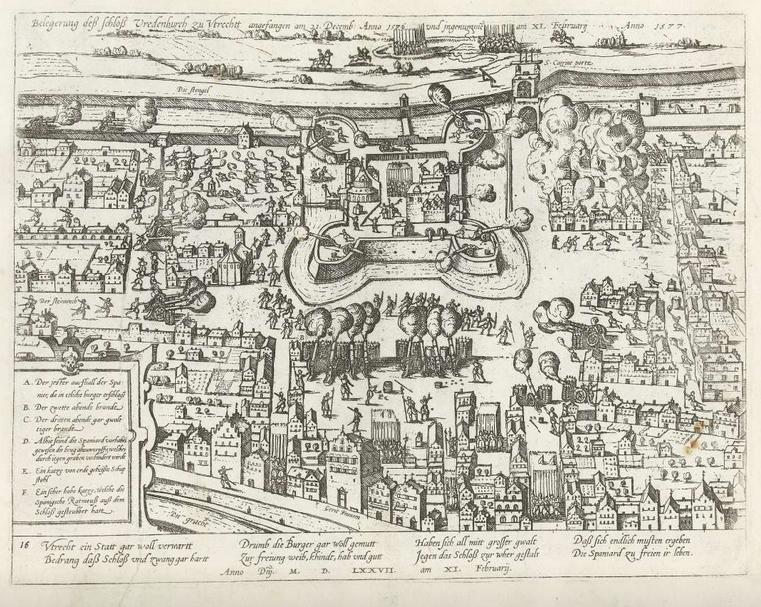
The situation improved somewhat after the departure of Spanish troops following the siege of Vredenburg in 1577. However, tensions rose again in 1579, when another Iconoclasm broke out on June 11 of that year and the Calvinists took possession of more churches. In a third Iconoclasm on March 7, 1580, the Cathedral Church was vandalized, and on June 18, 1580, the ban on the practice of Catholic religion was read from City Hall. This led to the further removal of statues and decorations from church buildings, forcing the still substantial Catholic portion of the population to seek refuge in hiding churches. Some of the destroyed statues have since been returned to their original locations."
Any feedback for this story?